

Emergency & Help
24/7 Emergency & General Advisory
🚨 24/7 Medical Emergency
Non-Emergency Advisory
10:00 AM – 6:00 PM, Mon–Sat
For appointments & general queries.
24/7 Emergency & General Advisory
🚨 24/7 Medical Emergency
Non-Emergency Advisory
10:00 AM – 6:00 PM, Mon–Sat
For appointments & general queries.
Struggling with infertility in Supaul? Discover how to find a skilled infertility specialist and understand the treatment options available.
Facing challenges with conception can be an emotionally taxing journey. Many couples in Supaul find themselves seeking expert guidance. This guide helps you understand how to find a qualified infertility doctor (also known as a fertility specialist or reproductive endocrinologist) in Supaul and what to expect.
Infertility is defined as the inability to conceive after one year of regular, unprotected intercourse. For women over 35, this timeframe shortens to six months. What most people miss: infertility affects both men and women, with roughly equal contributions from each sex. The reality is, numerous factors can contribute to these difficulties.
Identifying the root cause is the first crucial step towards effective treatment. Physicians will assess a range of potential issues:
If you've been trying to conceive for a year (or six months if the woman is over 35) without success, it's time to consult a specialist. Early consultation can significantly improve outcomes. Don't delay seeking help; proactive steps are vital.
Choosing the right physician is paramount. Here’s how to approach your search:
Ask your primary care physician or gynecologist for referrals. Word-of-mouth from trusted friends or family who have navigated similar journeys can also be invaluable. In many cases, personal recommendations offer the most comfort.
That alone changes everything.
Look for specialists certified in reproductive endocrinology and infertility (REI). Verify their experience with specific treatments like IVF (In Vitro Fertilization) or IUI (Intrauterine Insemination). Institutions like AIIMS often train highly qualified professionals.
A well-equipped clinic with advanced laboratory facilities is crucial for successful fertility treatments. The technology used in IVF labs, for example, directly impacts embryo development and success rates. Ensure the clinic adheres to international standards, such as those recommended by the WHO.
The journey can be stressful. Choose a doctor and clinic staff who communicate clearly, empathetically, and answer all your questions patiently. You should feel heard and supported throughout the process. Living with this is genuinely hard, and good communication makes a difference.
Inquire about the clinic's success rates for treatments relevant to your situation. recognise the costs involved, including potential hidden fees. Transparency is key, much like understanding the true cost of a wedding!
Recovery is rarely linear.
Once diagnosed, your specialist will discuss care options tailored to your needs:
This is a less invasive procedure. Prepared sperm is placed directly into the uterus around the time of ovulation. It's often a starting point for couples with mild male factor infertility or cervical issues. It helps bypass certain natural barriers.
IVF is a more complex approach. Eggs are retrieved from the woman and fertilized with sperm in a laboratory. The resulting embryo(s) are then transferred to the uterus. This approach is highly proven for blocked tubes, severe male factor infertility, or when other treatments fail.
Medications are used to stimulate the ovaries to produce eggs. This is often combined with IUI or timed intercourse. It helps regulate cycles for those with ovulatory dysfunction.
For individuals or couples facing severe infertility, donor eggs, sperm, or surrogacy might be options. These advanced reproductive technologies offer hope when other methods are not feasible. Reputable clinics provide guidance on these sensitive paths.
Your lifestyle choices can significantly impact fertility. Specialists often advise on:
Your initial consultation will involve a detailed discussion of your medical history, menstrual cycles (for women), and sexual health. The doctor will likely perform a physical examination and may recommend initial tests, such as blood work to check hormone levels and an ultrasound for women, and semen analysis for men.
Here's where it gets interesting.
What should you actually do? Be prepared with a list of questions.
While Supaul may not have numerous specialized fertility centers compared to larger cities, qualified physicians are available. They often collaborate with larger hospitals or referral networks.
Trustworthy specialists prioritize patient well-being and adhere to clinical best practices, mirroring guidelines from organizations like the Indian Council of Medical Research (ICMR).
The path to parenthood can be challenging, but with the right support and medical expertise, many couples achieve their dream. So what does that mean for you?
It means there is hope, and seeking professional benefit is a sign of strength, not weakness. Remember, advancements in reproductive medicine offer reliable solutions for many kinds of fertility issues.
Always consult a qualified physician before making medical decisions.
While rice is a staple, managing diabetes requires careful portion control and considering the type of rice. Brown rice is generally preferred over white rice due to its higher fiber content, which helps regulate blood sugar levels more effectively. Discussing your dietary needs with a doctor or dietitian is the best approach.
For many women, fertility returns quickly after discontinuing birth control, often within one to three menstrual cycles. However, this can vary depending on individual health, age, and the type of contraception used. If you have concerns or are not conceiving within a year, consulting a healthcare provider is recommended.
Early pregnancy signs can include a missed period, nausea or vomiting (morning sickness), breast tenderness, frequent urination, and fatigue. Not everyone experiences all symptoms, and some signs can mimic premenstrual signs. A pregnancy test is the most reliable way to confirm pregnancy.
Here's where it gets interesting.
No, infertility is not always permanent. Many causes are treatable with medical interventions, lifestyle changes, or assisted reproductive technologies. Some conditions might require ongoing management, but often, a path to conception can be found with the aid of a fertility specialist.
Visit Hospital
Near You

Going past your due date can feel like being stuck in a waiting room with no clock. This guide walks you through what actually happens during monitoring after due date pregnancy — the tests, the decisions, and the emotions nobody really prepares you for.
May 20, 2026
Going past your due date can feel like being stuck in a waiting room with no clock. This guide walks you through what actually happens during monitoring after due date pregnancy — the tests, the decisions, and the emotions nobody really prepares you for.
May 20, 2026
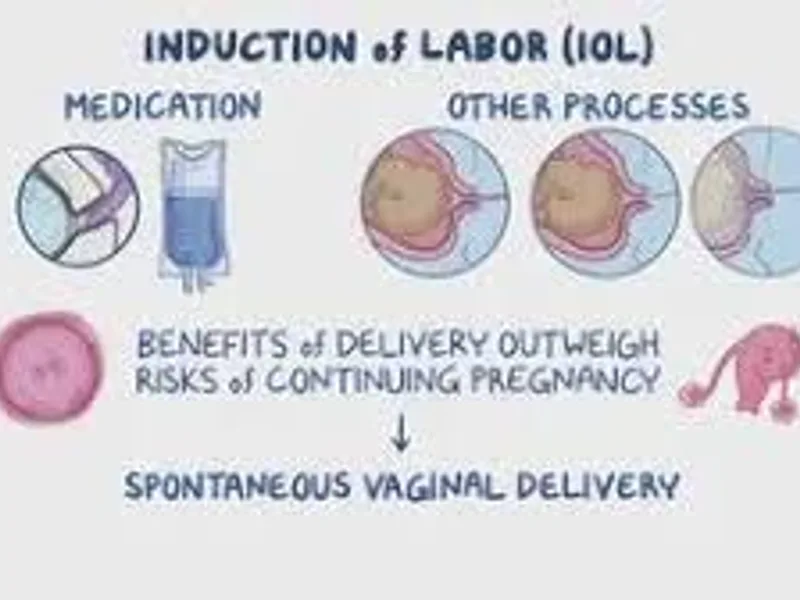
If you’re close to your due date and feeling stuck in waiting mode, this breaks down induction of labor methods in a way that actually makes sense. No jargon, no fluff—just what works, what doesn’t, and what it really feels like from a human perspective.
May 20, 2026