

Emergency & Help
24/7 Emergency & General Advisory
🚨 24/7 Medical Emergency
Non-Emergency Advisory
10:00 AM – 6:00 PM, Mon–Sat
For appointments & general queries.
24/7 Emergency & General Advisory
🚨 24/7 Medical Emergency
Non-Emergency Advisory
10:00 AM – 6:00 PM, Mon–Sat
For appointments & general queries.
Empower yourself with knowledge! Learn about informed consent, essential pregnancy tests, potential complications, and resources for a confident and informed pregnancy journey.

Pregnancy is a transformative journey, and having access to the right information is crucial for making confident healthcare decisions. Informed consent is the cornerstone of this process, empowering expectant parents to actively participate in their care. It's a dialogue between you and your healthcare provider where you receive clear explanations about potential benefits, risks, and alternatives for any proposed medical treatment or intervention. This understanding allows you to give your free, intentional, and voluntary consent, ensuring your choices align with your values and preferences. Unfortunately, studies indicate that informed consent during childbirth is often lacking, with a significant gap between what patients want to know and what healthcare professionals communicate. This guide aims to shed light on the importance of informed consent throughout your pregnancy and provide resources to help you navigate this vital aspect of maternal care.
Informed consent is not just a formality; it's a fundamental right that ensures you are an active partner in your healthcare. During pregnancy, this means understanding:
Research highlights a concerning inconsistency in how much information is shared with expectant parents. This can lead to anxiety and a feeling of disempowerment. By understanding your rights and actively engaging in discussions with your doctor, you can ensure your pregnancy care is aligned with your expectations.
According to the American College of Obstetricians and Gynecologists, effective informed consent during pregnancy involves three key components:
A well-informed pregnancy involves understanding the recommended tests and screenings. Here are some key ones to discuss with your doctor:
These are typically offered to all pregnant individuals:
These tests are more invasive and are typically offered if screening tests indicate a higher risk or if there are other concerns:
While most pregnancies are healthy, it's important to be aware of potential complications. Discussing these with your doctor can help you prepare and know what to watch out for:
Access to informed pregnancy care is essential for everyone, but certain communities face unique challenges:
Connecting with supportive organizations can provide valuable information and advocacy:
While regular check-ups are important, certain symptoms warrant immediate medical attention during pregnancy:
Informed consent is a process where a healthcare professional explains the potential benefits, risks, and alternatives of a medical treatment or intervention, allowing the patient to make an educated decision about their care.
It ensures that you are an active participant in your healthcare decisions, understand all aspects of your pregnancy care, and can make choices that align with your personal values and preferences.
It is your right to ask questions until you fully understand. Do not hesitate to ask for clarification, request simpler explanations, or ask for information to be repeated. A good healthcare provider will be happy to ensure you are well-informed.
Yes, you have the right to refuse any medical procedure or treatment, provided you are mentally and physically capable of giving consent. Your doctor should explain the potential consequences of refusal, but the final decision is yours.
Common complications include gestational diabetes, preeclampsia, preterm labor, and infections. It's important to discuss these and their symptoms with your doctor.
Seek out healthcare providers known for their cultural sensitivity and inclusivity. Do your research, ask for recommendations, and don't be afraid to advocate for your specific needs and concerns. Connecting with community support groups can also be beneficial.
Visit Hospital
Near You

Going past your due date can feel like being stuck in a waiting room with no clock. This guide walks you through what actually happens during monitoring after due date pregnancy — the tests, the decisions, and the emotions nobody really prepares you for.
May 20, 2026
Going past your due date can feel like being stuck in a waiting room with no clock. This guide walks you through what actually happens during monitoring after due date pregnancy — the tests, the decisions, and the emotions nobody really prepares you for.
May 20, 2026
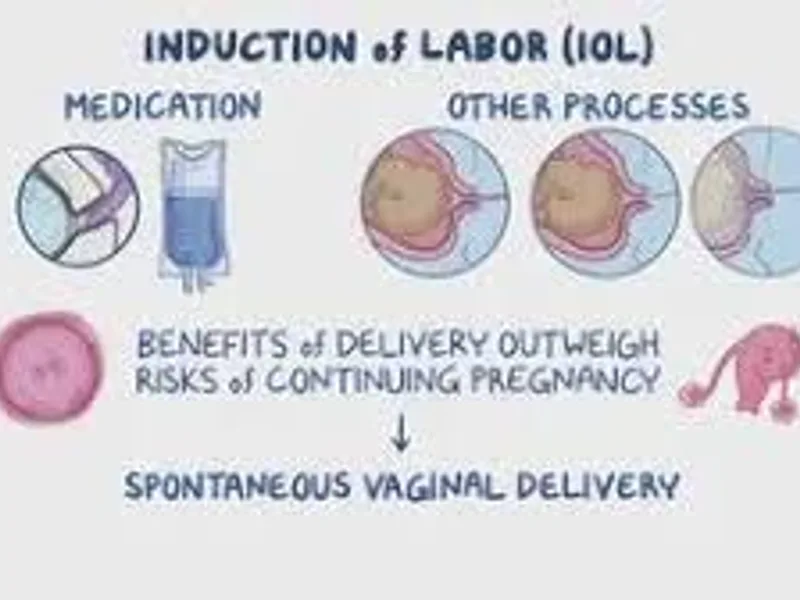
If you’re close to your due date and feeling stuck in waiting mode, this breaks down induction of labor methods in a way that actually makes sense. No jargon, no fluff—just what works, what doesn’t, and what it really feels like from a human perspective.
May 20, 2026