

Emergency & Help
24/7 Emergency & General Advisory
🚨 24/7 Medical Emergency
Non-Emergency Advisory
10:00 AM – 6:00 PM, Mon–Sat
For appointments & general queries.
24/7 Emergency & General Advisory
🚨 24/7 Medical Emergency
Non-Emergency Advisory
10:00 AM – 6:00 PM, Mon–Sat
For appointments & general queries.
Explore the safety of using glycolic acid skincare products during pregnancy. Learn about concentrations, potential risks, and safer alternatives for expectant mothers.
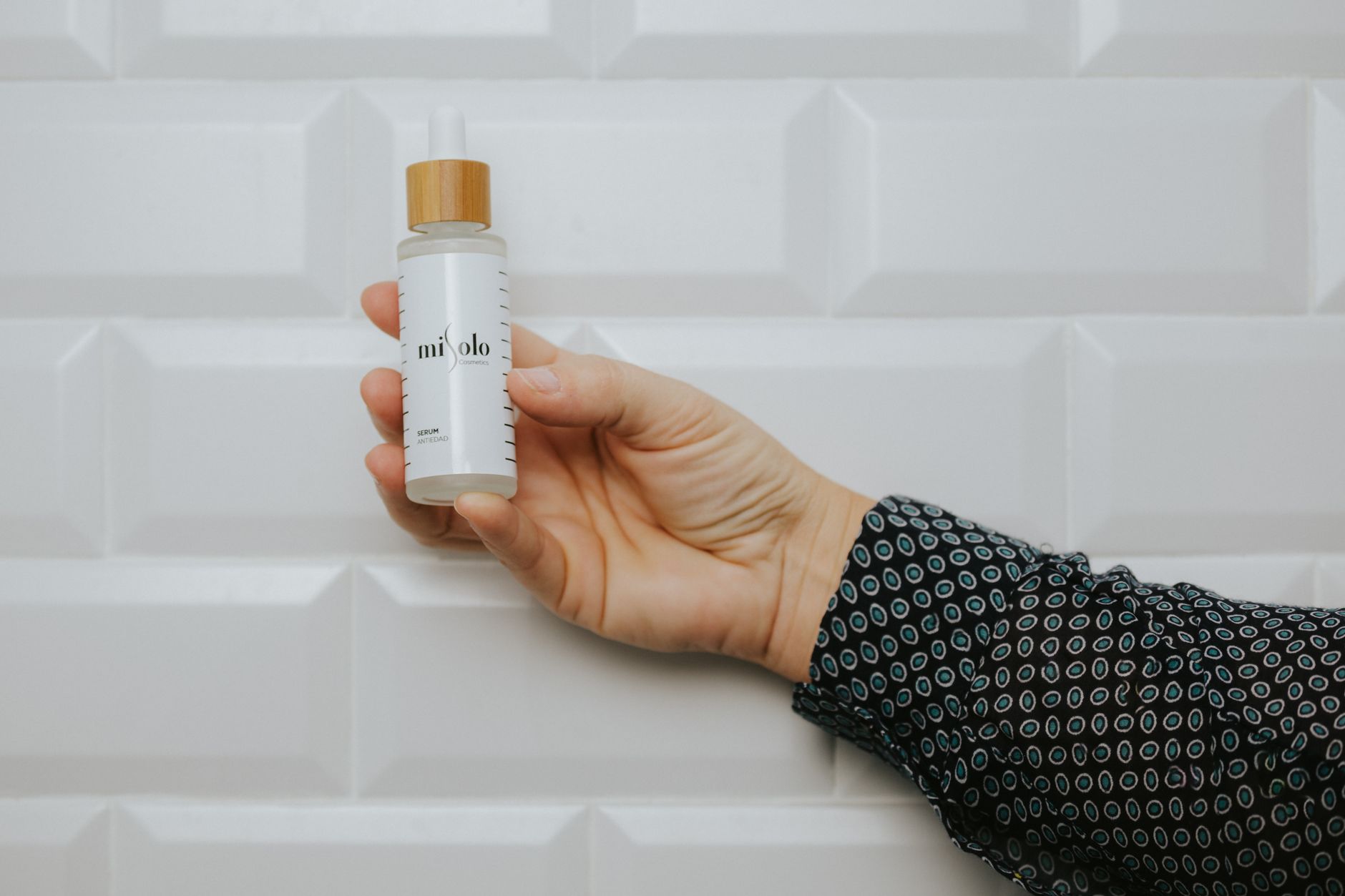
Pregnancy brings a whirlwind of changes, and for many, this includes a closer look at the ingredients in their skincare products. You might be wondering about that popular serum or face wash containing glycolic acid. Is it safe to use when you're expecting? Let's break down what you need to know about glycolic acid during pregnancy.
Glycolic acid is a type of alpha hydroxy acid (AHA), derived from sugar cane. AHAs are known for their exfoliating properties, meaning they help shed dead skin cells. This process can lead to smoother, brighter skin, reduced fine lines, and improved appearance of acne scars and hyperpigmentation. Many people reach for glycolic acid products to achieve these benefits. You'll find it in various forms like creams, lotions, face washes, and serums, and it's also used in professional chemical peels.
Pregnancy is a time when many women become more conscious of what they put on and in their bodies. Hormonal shifts can also make your skin more sensitive and reactive than usual. While glycolic acid is a common skincare ingredient, it's wise to understand its safety profile, especially when you're pregnant.
Research specifically on pregnant individuals and skincare ingredients can be limited. This is often due to ethical considerations in clinical trials. However, current understanding suggests that topical application of glycolic acid, especially in lower concentrations, is generally considered safe during pregnancy.
Older animal studies examined the effects of very high doses of glycolic acid and noted some adverse reproductive effects. It's crucial to understand that these doses were significantly higher than what you'd find in typical over-the-counter skincare products. For systemic absorption (meaning the ingredient getting into your bloodstream), the amount absorbed from topical application is minimal, and therefore not considered a significant risk during pregnancy.
Compared to other ingredients like retinoids or high doses of salicylic acid, glycolic acid is often viewed as a safer alternative for exfoliation during pregnancy.
This is perhaps the most important factor. Look for products containing glycolic acid with a concentration of less than 10 percent. Many effective skincare products fall within this range. Higher concentrations, especially those used in professional chemical peels, might carry more risk and should be discussed thoroughly with a healthcare provider.
Pregnancy can alter your skin, making it more prone to irritation, redness, or even breakouts. Even if you've used glycolic acid before without any issues, you might experience a different reaction now. Always patch-test a new product on a small area of skin before applying it to your face.
Leave-on products like serums and moisturizers might have more potential for absorption than wash-off products like cleansers. However, for products with concentrations below 10%, this difference is usually not a major concern.
Imagine this: You've noticed some stubborn dark spots from old acne during your pregnancy. You reach for your trusty glycolic acid serum, but then pause, wondering if it's still okay to use. It's a common dilemma!
Here’s how to navigate using glycolic acid safely:
If you're still hesitant or if your skin becomes particularly sensitive, there are other safe options for exfoliation and addressing skin concerns during pregnancy:
It's always best to err on the side of caution during pregnancy. You should talk to your healthcare provider (OB-GYN or dermatologist) if:
Your doctor can provide personalized advice based on your specific health and pregnancy status.
Yes, if the concentration is less than 10%. Wash-off products generally have less absorption than leave-on products.
Products with concentrations of glycolic acid at or below 10% are generally considered safe for topical use during pregnancy. Always monitor your skin's reaction.
Professional chemical peels, especially those with higher concentrations of glycolic acid, should be discussed with your doctor. Lower concentration peels might be considered safe, but it's essential to get professional medical advice first.
Navigating skincare during pregnancy requires a mindful approach. By understanding the ingredients, their concentrations, and listening to your body, you can continue to care for your skin safely and effectively.
Visit Hospital
Near You
Going past your due date can feel like being stuck in a waiting room with no clock. This guide walks you through what actually happens during monitoring after due date pregnancy — the tests, the decisions, and the emotions nobody really prepares you for.
May 20, 2026
Going past your due date can feel like being stuck in a waiting room with no clock. This guide walks you through what actually happens during monitoring after due date pregnancy — the tests, the decisions, and the emotions nobody really prepares you for.
May 20, 2026

If you’re close to your due date and feeling stuck in waiting mode, this breaks down induction of labor methods in a way that actually makes sense. No jargon, no fluff—just what works, what doesn’t, and what it really feels like from a human perspective.
May 20, 2026