

Emergency & Help
24/7 Emergency & General Advisory
🚨 24/7 Medical Emergency
Non-Emergency Advisory
10:00 AM – 6:00 PM, Mon–Sat
For appointments & general queries.
24/7 Emergency & General Advisory
🚨 24/7 Medical Emergency
Non-Emergency Advisory
10:00 AM – 6:00 PM, Mon–Sat
For appointments & general queries.
You’ve reached 40 weeks and… nothing? No contractions, no pain, just waiting. This piece walks through what that really means, what’s normal (more than you think), and when you should actually worry.
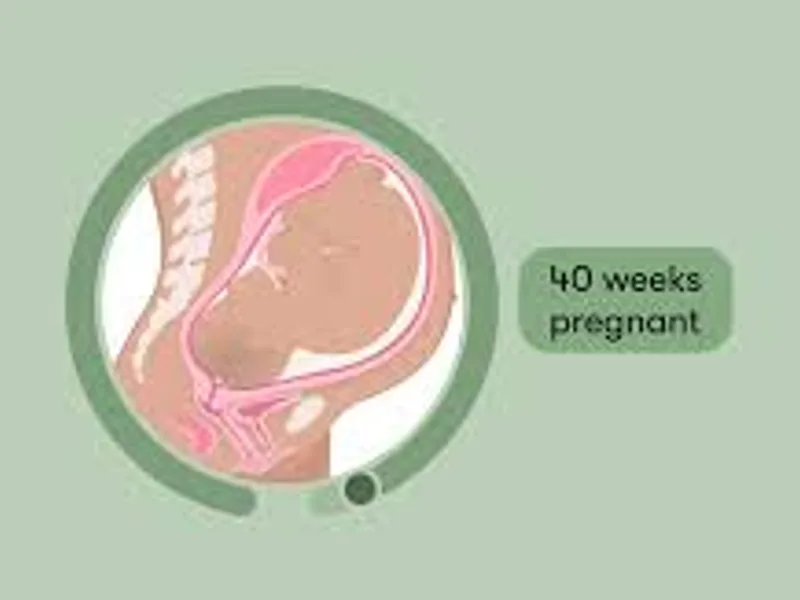
I remember a friend texting me at 40 weeks, half-joking, half-panicking: “Shouldn’t something be happening by now?” No cramps, no contractions, not even a hint of drama. Just… silence. If you’re in that exact spot, wondering is it normal to have no pain at 40 weeks pregnant, you’re definitely not alone. It feels strange because we’re taught to expect a big, obvious buildup. But real life? It’s often much quieter than that.
Short answer: usually, no.
Here’s the part most pregnancy guides gloss over—your due date isn’t a deadline. It’s more like a rough estimate. In fact, a large number of people don’t go into labor exactly at 40 weeks. Some drift into 41 weeks or even slightly beyond, and everything turns out completely fine.
No pain doesn’t mean your body isn’t preparing. Cervical changes can happen slowly, sometimes without noticeable symptoms. You might not feel contractions yet, or they could be so mild you brush them off as nothing. I’ve seen cases where someone had almost no signs… and then labor started fairly suddenly.
Doctors generally only start paying closer attention after 41 weeks. Before that, “nothing happening” is actually pretty common. Frustrating, yes. But not abnormal.
This is the part where people throw random advice at you—walk more, eat spicy food, try this trick, try that. Some of it helps. Some of it is just tradition dressed up as science.
Walking, for example, can encourage baby to move down, which may help things along. Not magic. But it’s useful. Gentle movement, staying upright, and keeping your body relaxed can make a difference over time.
Pay attention to your body, but don’t obsess over every sensation. That tends to create more anxiety than clarity. Instead, keep an eye on meaningful signs—baby’s movements, any fluid leakage, regular contractions if they start. Those are the signals that matter.
Also, stay in touch with your doctor. Around 40 weeks, they might start discussing options like membrane sweeps or induction if things stay quiet too long. It’s not something you need to rush into, but it’s good to understand your choices before you’re suddenly asked.
And honestly? Rest. You’ll hear this a lot, but it’s one of the few pieces of advice that consistently holds up. Labor—whenever it starts—takes energy.
There’s a weird emotional side to this stage. You’ve been building up to a moment, and then it… doesn’t arrive on schedule. It can make you feel like your body is late, or not doing what it “should.”
But bodies don’t run on strict timelines. They’re messy. Individual. Sometimes unpredictable.
I’ve seen people with textbook early symptoms take days to go into active labor. And others with zero warning signs suddenly find themselves timing contractions within hours. There’s no clean pattern.
That lack of control is uncomfortable. But it’s also normal.
Conclusion
So, is it normal to have no pain at 40 weeks pregnant? Yes—more often than people admit. It doesn’t mean anything is wrong. It usually means your body is still getting ready, just not in the dramatic way you expected. Stay aware, stay connected with your doctor, but don’t let the silence scare you. Sometimes, the quietest days are right before everything changes.
Visit Hospital
Near You
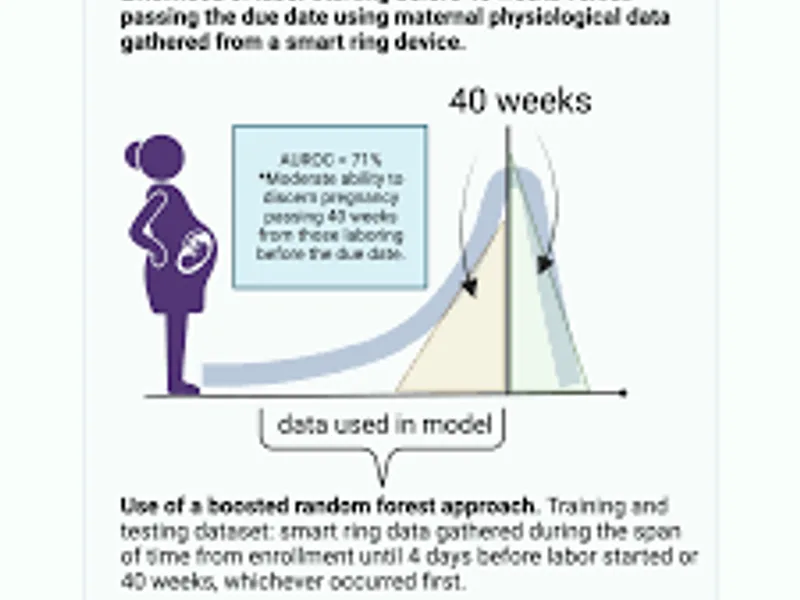
Going past your due date can feel like being stuck in a waiting room with no clock. This guide walks you through what actually happens during monitoring after due date pregnancy — the tests, the decisions, and the emotions nobody really prepares you for.
May 20, 2026
Going past your due date can feel like being stuck in a waiting room with no clock. This guide walks you through what actually happens during monitoring after due date pregnancy — the tests, the decisions, and the emotions nobody really prepares you for.
May 20, 2026
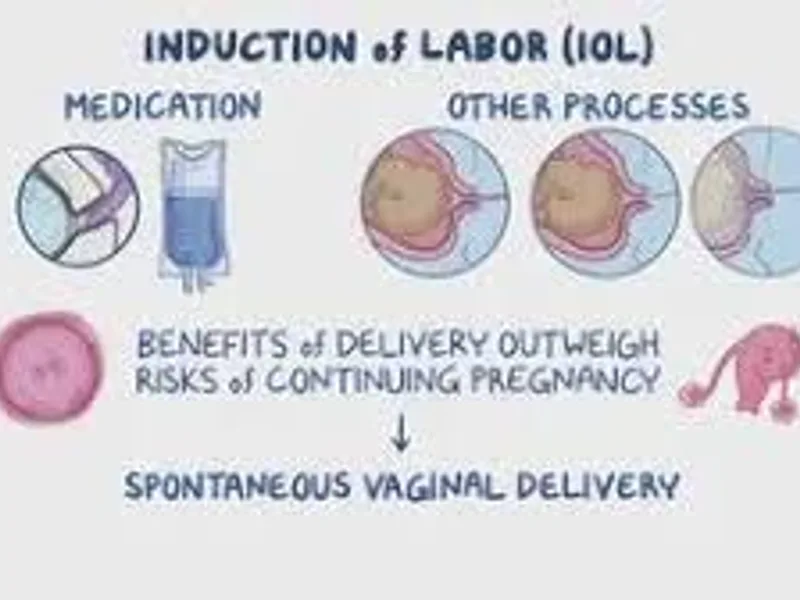
If you’re close to your due date and feeling stuck in waiting mode, this breaks down induction of labor methods in a way that actually makes sense. No jargon, no fluff—just what works, what doesn’t, and what it really feels like from a human perspective.
May 20, 2026