

Emergency & Help
24/7 Emergency & General Advisory
🚨 24/7 Medical Emergency
Non-Emergency Advisory
10:00 AM – 6:00 PM, Mon–Sat
For appointments & general queries.
24/7 Emergency & General Advisory
🚨 24/7 Medical Emergency
Non-Emergency Advisory
10:00 AM – 6:00 PM, Mon–Sat
For appointments & general queries.
Explore the myth of maternal instinct. Learn how parenting skills develop through learning, bonding, and experience, not just innate abilities. Understand the reality for new parents.

From the moment a baby is on the way, expecting mothers (and often those around them) are bombarded with the idea that there's a magical, inborn 'maternal instinct' that all women possess. This concept suggests that women naturally want children and automatically know how to care for them, regardless of their experience or preparation. But what if this idea is more fiction than fact? Let's explore the truth behind maternal instinct and what really shapes our parenting abilities.
The term 'instinct' itself refers to something innate, inborn, or natural, involving a fixed behavioral response to certain stimuli. When applied to motherhood, it implies an automatic, biological blueprint for caregiving that kicks in once a woman becomes a mother. However, medical and psychological experts suggest this idea is largely exaggerated and often unrealistic. This pressure to feel an immediate, all-knowing maternal bond can lead to significant anxiety and feelings of failure for new mothers who don't experience it.
A common misconception is that maternal instinct should manifest as instant, overwhelming love and perfect caregiving skills right after birth. In reality, studies show that these strong feelings of affection often develop over days or even weeks after the baby arrives. For some women, it can take months to fully develop these bonds. This 'learning on the job' is a normal part of becoming a parent, and it doesn't signal a lack of maternal instinct.
Research challenges the notion of a universal, innate maternal instinct. Instead, it points to a combination of biological changes, learned behaviors, and the powerful process of bonding. While some argue that there might be a general predisposition for caregivers to be attuned to a child's needs, this is different from a fixed, instinctual drive unique to mothers.
One key area of study involves the brain chemistry of new parents. When someone becomes a parent, whether biologically or through adoption, their brain chemistry changes. Hormones like oxytocin, serotonin, and dopamine play a significant role in bonding and caregiving behaviors. Importantly, these hormonal shifts are not exclusive to women. Studies have found that fathers and even foster parents experience similar changes in hormone levels, driven by bonding activities with the baby.
Furthermore, research indicates that men and women are equally skilled at identifying their infant's cries. This finding directly counters the idea that women have a unique, instinctual ability to understand their baby's needs. The ability to interpret a baby's cries, whether they signal hunger, discomfort, or a need for closeness, is a skill that can be learned and honed by any primary caregiver.
So, if it's not pure instinct, what explains a parent's ability to care for a child? The answer lies in a powerful blend of learned skills, observation, and the gradual development of attachment. Nursing, changing diapers, feeding, and soothing a crying baby are not necessarily innate abilities. They are tasks that parents learn through practice, guidance, and by paying close attention to their child.
Psychotherapists highlight that a parent's 'intuition' or sense about a baby's needs often stems from their individual temperament, past experiences, and attachment style. As parents interact with their babies daily, they gradually build a deep understanding of their child's unique cues and personality. This process is often described as 'learning on the job' or 'unconscious learning,' but it's rooted in experience rather than pure instinct.
Consider this scenario: A new mother, Priya, feels overwhelmed because she doesn't immediately feel the intense, all-consuming love she expected. Her baby cries inconsolably, and she struggles to figure out why. She starts to worry she's not a 'natural' mother. Her husband, Rohan, who has been actively involved since birth, notices the baby's cries change slightly when he's held a certain way and eventually soothes him. This situation highlights how both parents learn and develop their caregiving skills through active participation and observation, not just by instinct.
The journey of parenthood is one of continuous learning and adaptation. Here are key ways parents develop their caregiving abilities:
Challenging the myth of maternal instinct is not about diminishing the profound love and dedication of parents. Instead, it's about creating a more realistic and supportive environment for new parents. When we understand that parenting is a learned skill that develops over time, we can reduce the pressure and anxiety associated with the early days of parenthood.
This understanding benefits everyone. For mothers, it means releasing the guilt if they don't feel an instant connection. For fathers and other caregivers, it emphasizes their vital role and equal capacity for developing strong bonds and effective caregiving skills. It shifts the focus from an elusive 'instinct' to the tangible, achievable process of learning, bonding, and growing as a parent.
While the development of parental bonds and skills is a natural process, it's important to recognize when extra support might be needed. If you or a partner are experiencing:
These could be signs of postpartum depression or other perinatal mood and anxiety disorders. It is essential to consult with a doctor, midwife, or mental health professional. They can provide assessment, support, and treatment options to help you navigate this critical period.
The idea of an automatic 'maternal instinct' is largely a myth. Parenthood is a complex, evolving journey that involves biological changes, learned skills, and the deep, rewarding process of bonding. By embracing realistic expectations, focusing on learning and practice, and seeking support when needed, all parents can develop the skills and love necessary to nurture their children. The true strength of a parent lies not in an inborn instinct, but in their commitment, love, and willingness to learn and grow alongside their child.
Visit Hospital
Near You
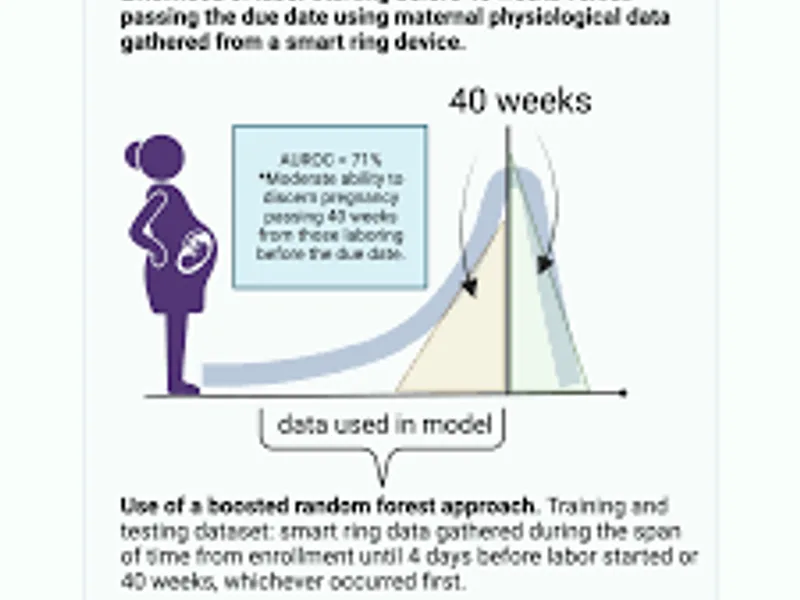
Going past your due date can feel like being stuck in a waiting room with no clock. This guide walks you through what actually happens during monitoring after due date pregnancy — the tests, the decisions, and the emotions nobody really prepares you for.
May 20, 2026
Going past your due date can feel like being stuck in a waiting room with no clock. This guide walks you through what actually happens during monitoring after due date pregnancy — the tests, the decisions, and the emotions nobody really prepares you for.
May 20, 2026
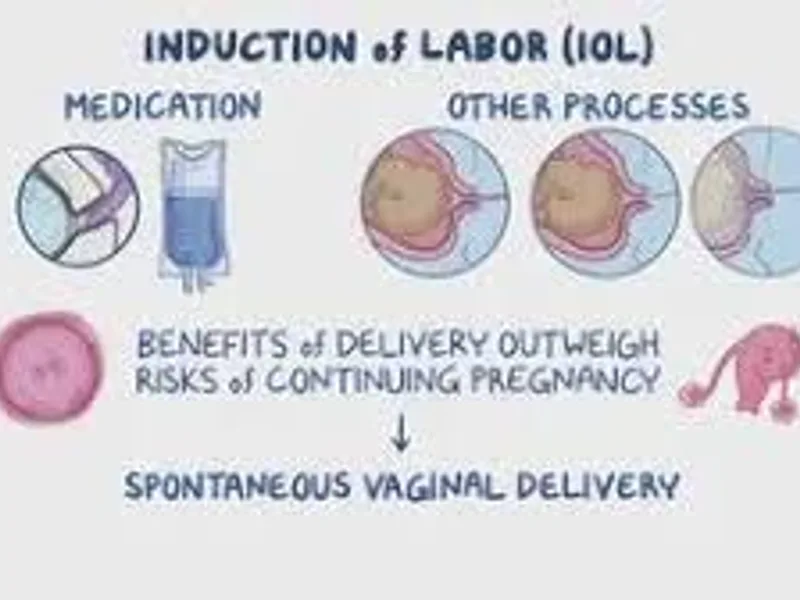
If you’re close to your due date and feeling stuck in waiting mode, this breaks down induction of labor methods in a way that actually makes sense. No jargon, no fluff—just what works, what doesn’t, and what it really feels like from a human perspective.
May 20, 2026