

Emergency & Help
24/7 Emergency & General Advisory
🚨 24/7 Medical Emergency
Non-Emergency Advisory
10:00 AM – 6:00 PM, Mon–Sat
For appointments & general queries.
24/7 Emergency & General Advisory
🚨 24/7 Medical Emergency
Non-Emergency Advisory
10:00 AM – 6:00 PM, Mon–Sat
For appointments & general queries.
Discover that it's never too late to embrace your true gender identity. This guide explores navigating gender transition at any age, covering social, medical, and legal aspects, along with unique strengths and support systems for mature adults.

Thinking about your gender identity and perhaps considering a transition can be a deeply personal journey. For many, these realisations don't always happen in their teens or twenties. Life is complex, and figuring out who you are, especially when it comes to gender, can take time. It's completely okay if you're exploring these feelings later in life. In fact, there are unique strengths that come with transitioning as a more mature adult. You've likely built a reservoir of self-confidence and life experience that can empower you to articulate your feelings and needs more clearly than you might have at a younger age.
The societal landscape around transgender visibility and acceptance has shifted dramatically. What might have seemed impossible or even unthinkable a few decades ago is now a more accessible reality for many. This increased awareness means more people are discovering their true selves and finding pathways to live authentically. Remember, the ultimate goal of any transition is happiness and alignment with one's true self, and there is absolutely no age limit on achieving that.
Medical professionals often use the term gender dysphoria. It describes a significant disconnect between the gender you were assigned at birth and the gender you genuinely identify with. This definition, while accurate, can sometimes lead to feelings of self-doubt or what’s known as imposter syndrome. You might find yourself questioning if you are 'trans enough' or if your feelings are valid. Thoughts like 'Am I just faking this?' or 'Is this for attention?' can creep in, leaving you in a state of uncertainty for years as you search for clarity.
It's a common misconception that gender dysphoria must manifest strongly and obviously in childhood for someone to be transgender. While evidence suggests it can appear early, its presentation is not uniform. Some people experience it subtly, while for others, childhood memories might be hazy, making it difficult to pinpoint exact feelings from the past. The lack of awareness and education about transgender identities in the past could also mean that dysphoria was experienced but not recognised, potentially being mistaken for other mental health conditions. This complexity can add another layer of distress, creating its own form of dysphoria.
There isn't a single 'correct' way to transition. It's a deeply individual process, and what works for one person might not be right for another. Transitioning generally involves several aspects:
This refers to how you present yourself to the world. It includes:
Social transitioning, much like medical aspects, is a process. It takes time, effort, and sometimes courage. It might feel overwhelming initially, but remember to take each step at your own pace. Think of it as a journey of self-discovery and expression.
For some, medical interventions are an important part of their transition. This can include:
It's vital to consult with qualified healthcare professionals to discuss the risks, benefits, and processes involved in any medical transition steps.
This involves the official and legal recognition of your gender identity. It can include:
The process and requirements for legal transition vary significantly by region and country. It often involves court orders and administrative procedures.
While transitioning at any age is valid, transitioning later in life can offer distinct advantages:
Think of this stage of life as a powerful opportunity to finally live as your authentic self, leveraging the wisdom and strength you've gained over the years. It can feel like a second adolescence, filled with the excitement of new beginnings and self-discovery, but with the added benefit of mature perspective.
The transition journey, regardless of age, can present challenges. These might include:
When seeking support:
Remember, you are not alone. There are many resources and communities available to support you.
It's advisable to consult with healthcare professionals if you are experiencing significant distress related to your gender identity, exploring medical transition options, or need support managing your mental well-being during this process. Specifically, you should seek medical advice:
Your doctor or a specialist can provide guidance, referrals, and necessary medical care to ensure your transition is as safe and healthy as possible.
Absolutely not! Gender transition is a deeply personal journey, and there is no age limit. People transition at all stages of life, and your happiness and authenticity are what matter most.
Yes! Transitioning is a spectrum. Many people transition solely through social and legal means, updating their name, pronouns, and presentation without undergoing medical procedures. It's entirely up to your personal needs and desires.
Acceptance varies greatly. While some loved ones may be immediately supportive, others might need time to understand and adjust. Open communication, education, and seeking support from affirming individuals and communities can help foster understanding and acceptance.
It's okay to be unsure. Exploring your gender identity is a process. Connecting with support groups, reading resources, and speaking with a gender-affirming therapist can help you explore these feelings without pressure. There's no need to rush into labels; focus on understanding yourself.
Visit Hospital
Near You

Going past your due date can feel like being stuck in a waiting room with no clock. This guide walks you through what actually happens during monitoring after due date pregnancy — the tests, the decisions, and the emotions nobody really prepares you for.
May 20, 2026
Going past your due date can feel like being stuck in a waiting room with no clock. This guide walks you through what actually happens during monitoring after due date pregnancy — the tests, the decisions, and the emotions nobody really prepares you for.
May 20, 2026
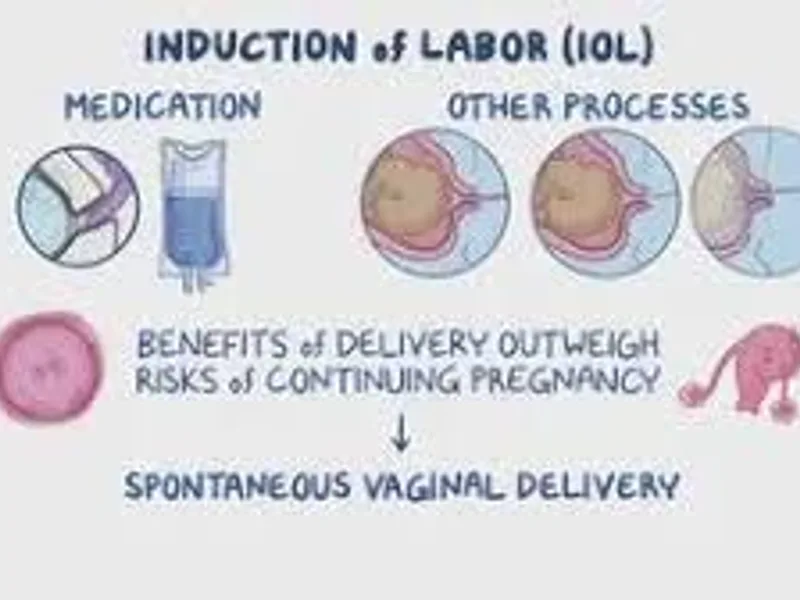
If you’re close to your due date and feeling stuck in waiting mode, this breaks down induction of labor methods in a way that actually makes sense. No jargon, no fluff—just what works, what doesn’t, and what it really feels like from a human perspective.
May 20, 2026