

Emergency & Help
24/7 Emergency & General Advisory
🚨 24/7 Medical Emergency
Non-Emergency Advisory
10:00 AM – 6:00 PM, Mon–Sat
For appointments & general queries.
24/7 Emergency & General Advisory
🚨 24/7 Medical Emergency
Non-Emergency Advisory
10:00 AM – 6:00 PM, Mon–Sat
For appointments & general queries.
Stay updated with our latest healthcare news and your appointments.
Explore laparoscopic surgery in Maheshtala. Learn about its benefits, procedures, and how it offers faster recovery and less pain for patients.
Laparoscopic surgery, often referred to as keyhole surgery, represents a significant advancement in modern surgical techniques. In Maheshtala, as across India, this minimally invasive approach is increasingly becoming the standard of care for many kinds of procedures. Instead of a large incision, surgeons make several small cuts, typically less than a centimetre long. Through these tiny openings, a laparoscope (a thin, lighted tube with a camera) and specialized surgical instruments are inserted.
The camera transmits magnified images to a video monitor, enabling the surgeon to perform the operation with great precision. Have you ever wondered why this method is preferred? It's due to the enhanced visualization and control it offers.
The benefits of laparoscopic surgery are substantial for patients in Maheshtala and beyond. These advantages translate directly into a better patient experience and quicker return to normal life.
A variety of surgical conditions are now treated effectively using laparoscopy. Specialist physicians in Maheshtala offer this advanced approach for several widespread issues.
Gallstones are a frequent ailment. Laparoscopic cholecystectomy is the standard approach for removing the gallbladder when it's inflamed or filled with stones. This procedure has dramatically improved outcomes for those affected by gall bladder disease.
When the appendix becomes inflamed (appendicitis), prompt surgical intervention is vital. Laparoscopic appendectomy allows for the safe removal of the appendix through small incisions, often avoiding the need for a large abdominal cut.
Here's where it gets interesting.
Inguinal, umbilical, or incisional hernias can be repaired laparoscopically. This technique allows surgeons to place mesh reinforcement with minimal disruption to surrounding tissues, often offering a more robust repair.
Conditions affecting the stomach, intestines, or colon, such as diverticulitis or certain types of cancer, are increasingly managed with laparoscopic methods. Procedures like colectomies (colon removal) are frequently performed this way.
Women's health conditions like ovarian cyst removal, ectopic pregnancy approach, and hysterectomy (uterus removal) can be addressed with laparoscopic surgery, offering less pain and faster healing.
Kidney stone removal, prostate procedures, and other urological interventions are also benefiting from the precision of laparoscopic techniques.
Undergoing laparoscopic surgery involves several stages, from consultation to recovery. Understanding this process can help alleviate anxiety for people preparing for the procedure.
Your journey begins with a consultation with a specialist surgeon. They will assess your condition, review your medical history, and discuss whether laparoscopy is the most suitable approach for you. Diagnostic tests, like ultrasounds or CT scans, might be ordered. Honestly, this initial discussion is crucial for setting realistic expectations.
On the day of surgery, you will receive anaesthesia. The surgical team will then create small incisions. Carbon dioxide gas is often used to inflate the abdomen, creating a better view for the surgeon.
That's the part worth remembering.
The laparoscope and instruments are inserted, and the surgery is performed while the surgeon watches the monitor. The entire process requires immense skill and concentration.
After the surgery, you will be monitored in a recovery room. Pain management is a key focus, and you'll likely be given medications to keep you comfortable. Most those affected can drink fluids within hours and eat light meals soon after.
The medical team will provide instructions for wound care and activity restrictions. What should you actually do to aid your recovery? Follow your doctor's advice diligently.
Choosing the right surgeon is paramount for a successful outcome. Look for physicians with extensive experience in laparoscopic techniques and a proven track record. Recommendations from your primary care physician or hospital referrals can be valuable.
In many cases, checking the credentials and hospital affiliations of potential surgeons is a wise step. A surgeon's expertise directly impacts the safety and effectiveness of the procedure.
While laparoscopic surgery is generally safe, like any surgical procedure, it carries some risks. These can include bleeding, infection, injury to surrounding organs, or reactions to anaesthesia.
In rare instances, it may be necessary to convert to an open surgery if complications arise during the laparoscopic procedure. Your surgeon will discuss these possibilities thoroughly with you.
Minimally invasive techniques are continually evolving. Robotic-assisted surgery, an even more advanced form of laparoscopy, is also becoming more accessible. This technology further enhances precision and control for complex procedures.
The commitment to adopting these innovative approaches ensures that people in Maheshtala have access to the best possible surgical care. Living with a situation requiring surgery is genuinely hard, but advancements like laparoscopy offer marked hope and improved quality of life.
That alone changes everything.
While dietary changes can sometimes support manage gallstone symptoms, they are not a cure. Rice is a carbohydrate and its direct impact on gallstone formation or dissolution is minimal.
However, a diet high in fats and refined carbohydrates can exacerbate gallbladder issues. Your doctor might recommend a low-fat diet before or after gallbladder surgery.
The duration of laparoscopic surgery varies greatly depending on the specific procedure and the complexity of the case. Simple procedures like an appendectomy might take around 30-60 minutes.
More complex surgeries, such as extensive colon resections, could take several hours. Your surgeon will provide a more accurate estimate based on your individual situation.
Some level of pain or discomfort is expected after any surgery, including laparoscopic procedures. However, the pain is typically much less severe than with open surgery. Pain medications are usually prescribed to manage discomfort effectively. Most people find the pain manageable and significantly reduced within a few days.
Recovery time is significantly faster for laparoscopic surgery compared to open surgery. For many procedures, individuals can return to light activities within a week and resume normal work and strenuous activities within 2-4 weeks. However, this timeline is a general guideline and depends on the type of surgery and individual healing capacity. Always consult a qualified physician before making medical decisions.
Visit Hospital
Near You

Going past your due date can feel like being stuck in a waiting room with no clock. This guide walks you through what actually happens during monitoring after due date pregnancy — the tests, the decisions, and the emotions nobody really prepares you for.
May 20, 2026
Going past your due date can feel like being stuck in a waiting room with no clock. This guide walks you through what actually happens during monitoring after due date pregnancy — the tests, the decisions, and the emotions nobody really prepares you for.
May 20, 2026
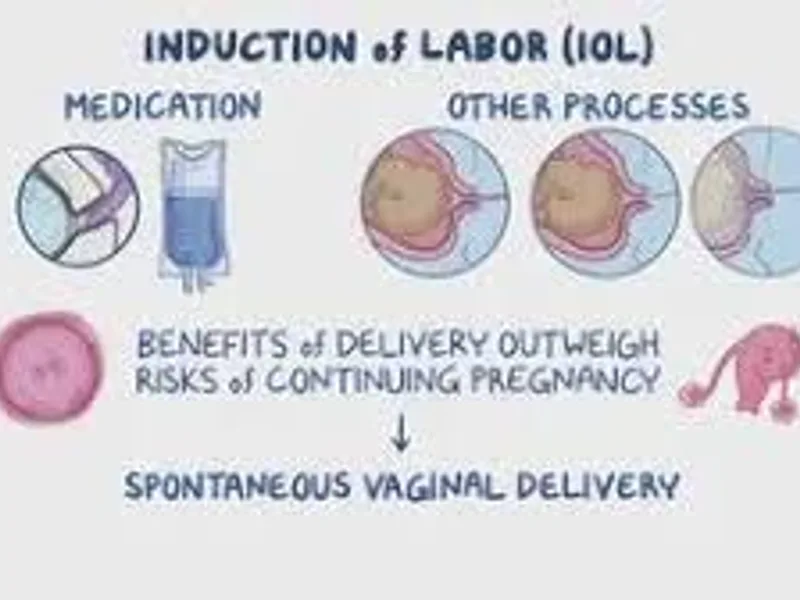
If you’re close to your due date and feeling stuck in waiting mode, this breaks down induction of labor methods in a way that actually makes sense. No jargon, no fluff—just what works, what doesn’t, and what it really feels like from a human perspective.
May 20, 2026