

Emergency & Help
24/7 Emergency & General Advisory
🚨 24/7 Medical Emergency
Non-Emergency Advisory
10:00 AM – 6:00 PM, Mon–Sat
For appointments & general queries.
24/7 Emergency & General Advisory
🚨 24/7 Medical Emergency
Non-Emergency Advisory
10:00 AM – 6:00 PM, Mon–Sat
For appointments & general queries.
Discover why blood pressure dips during pregnancy, its potential risks, and practical tips for managing it. Learn when to consult your doctor for a healthier pregnancy.

Pregnancy is a miraculous journey, a time of profound transformation for a woman's body. As your baby grows, your body undergoes incredible changes to support this new life. One common, yet often misunderstood, change is the fluctuation in blood pressure. Many expectant mothers experience a dip in their blood pressure, particularly in the first 24 weeks. But what does this really mean? Is low blood pressure during pregnancy something to worry about? Let's explore this together, offering clear, practical insights for Indian mothers-to-be. Understanding Blood Pressure: The Basics Before we dive into pregnancy specifics, let's quickly recap what blood pressure is. Think of it as the force of blood pushing against the walls of your arteries as your heart pumps. A typical healthy reading is generally considered less than 120 mm Hg systolic (the top number, representing pressure when your heart beats) over 80 mm Hg diastolic (the bottom number, representing pressure when your heart rests between beats). Doctors usually diagnose low blood pressure, or hypotension, when a reading consistently falls below 90/60 mm Hg. Why Blood Pressure Might Drop During Pregnancy Pregnancy is a time of rapid development, and your body responds accordingly. The circulatory system expands significantly to nourish your growing baby. This rapid expansion can lead to a natural drop in blood pressure. It's a normal physiological response. However, other factors can also contribute: Hormonal Changes: The surge of hormones like progesterone relaxes blood vessel walls, which can lower blood pressure. Increased Blood Volume: Your body produces more blood to support the baby. While this is essential, the overall system can experience a temporary pressure decrease. Nutritional Deficiencies: Lack of certain vitamins, like B12 and folate, can lead to anemia, which is often associated with low blood pressure. Underlying Medical Conditions: Sometimes, low blood pressure can signal other issues, such as thyroid problems, heart conditions, or infections. Dehydration: Not drinking enough fluids reduces blood volume, potentially leading to lower blood pressure. Medications: Certain medications taken for other conditions might affect blood pressure. It's important to remember that some women have naturally low blood pressure even when not pregnant, and they may not experience any symptoms. When Low Blood Pressure Becomes a Concern: The Dangers While a mild dip in blood pressure is often harmless, significant drops can signal serious issues. The primary concern arises when low blood pressure causes symptoms. If your blood pressure plummets dramatically, it can lead to: Falls and Injuries: Dizziness and lightheadedness can make you unsteady, increasing the risk of falls, which can be dangerous during pregnancy. Organ Damage: Severely low blood pressure means vital organs might not receive enough oxygenated blood, potentially causing damage. Shock: In extreme cases, a sudden, severe drop can lead to shock, a life-threatening condition where the body's organs don't get enough blood flow. Ectopic Pregnancy: In rare instances, very low blood pressure can be an indicator of an ectopic pregnancy, where a fertilized egg implants outside the uterus. This is a medical emergency. Impact on the Baby: What Does the Research Say? The effects of high blood pressure during pregnancy on babies are well-documented. However, research on the impact of low blood pressure is less extensive. Some studies suggest potential links between severe maternal hypotension and outcomes like stillbirth or low birth weight. Yet, it's crucial to understand that these studies often highlight other contributing factors, meaning low blood pressure alone might not be the sole cause. More research is definitely needed to fully understand this connection. For now, the focus remains on managing maternal symptoms and ensuring adequate blood flow to the placenta. Recognizing the Signs: Symptoms of Low Blood Pressure Listen to your body! Symptoms are your body's way of telling you something needs attention. If you experience any of the following, it's time to get in touch with your doctor: Dizziness or Lightheadedness: Especially when you stand up quickly after sitting or lying down. Fainting (Syncope): A sudden loss of consciousness. Blurred Vision: Difficulty seeing clearly. Nausea: Feeling sick to your stomach. Fatigue: Feeling unusually tired or weak. Cold, Clammy Skin: Skin that feels cool and moist to the touch. Rapid, Shallow Breathing: Breathing faster than normal, but not deeply. Thirst: Unexplained thirst. Diagnosis: How Is Low Blood Pressure Detected? Diagnosing low blood pressure is straightforward. Your healthcare provider will use a standard blood pressure cuff placed around your arm. This simple, painless test measures the pressure in your arteries. You can also purchase your own home blood pressure monitor if you wish to track your readings regularly. If your doctor suspects an underlying cause for your low blood pressure, they may order additional tests, such as blood work or an electrocardiogram (ECG). Treatment: Managing Hypotension in Pregnancy The good news? Most of the time, low blood pressure during pregnancy doesn't require specific medical treatment. Your doctor will monitor it closely. Medications are usually reserved for severe cases or when complications are anticipated. Often, your blood pressure will naturally start to rise again during your third trimester. Self-Care Strategies for Symptomatic Low Blood Pressure If you are experiencing symptoms like dizziness, here are some practical self-care tips you can adopt: Rise Slowly: Avoid sudden movements. When getting up from a lying or sitting position, take your time. Sit up first, let your body adjust, then stand. Stay Hydrated: Drink plenty of water throughout the day. Dehydration is a common culprit for temporary drops in blood pressure. Aim for at least 8-10 glasses daily, or more if advised by your doctor. Eat Regular Meals: Small, frequent meals can help maintain blood sugar levels and prevent pressure dips. Ensure your diet is balanced and nutritious. Increase Salt Intake (Under Medical Guidance): If your doctor recommends, slightly increasing your salt intake can help raise blood pressure. However, never do this without consulting your doctor, as too much salt can have other negative effects. Wear Compression Stockings: These can help improve blood circulation and prevent blood from pooling in your legs, especially if you stand for long periods. Avoid Prolonged Standing: If you feel faint, sit or lie down immediately. If possible, elevate your legs. Limit Alcohol: Alcohol can contribute to dehydration and lower blood pressure. Prevention: Proactive Steps for Healthy Blood Pressure Prevention is always better than cure. While you can't always prevent blood pressure changes during pregnancy, you can take steps to support a healthy pregnancy and minimize risks: Balanced Nutrition: Focus on a diet rich in fruits, vegetables, lean proteins, and whole grains. Ensure adequate intake of iron, B12, and folate. Regular Prenatal Check-ups: Attend all your scheduled appointments. This allows your doctor to monitor your blood pressure and overall health. Stay Active (with Doctor's Approval): Gentle exercises like walking or prenatal yoga can improve circulation. Always get your doctor's okay before starting or continuing an exercise routine. Manage Stress: Find healthy ways to cope with stress, such as meditation, deep breathing exercises, or talking to a trusted friend or family member. When to Consult Your Doctor Immediately While most cases of low blood pressure are manageable, seek immediate medical attention if you experience any of the following: Sudden, severe dizziness or fainting. Signs of shock (cold, clammy skin, rapid pulse, confusion). Any symptoms that feel severe or concerning. Your doctor is your best resource. Don't hesitate to reach out with any questions or concerns, no matter how small they may seem. Frequently Asked Questions (FAQ) Q1: Is low blood pressure always a sign of a problem during pregnancy? No, not always. It's very common for blood pressure to drop in early pregnancy due to hormonal changes and the expansion of the circulatory system. Often, it causes no symptoms and resolves on its own. However, if it causes symptoms like dizziness or fainting, it needs attention. Q2: Can low blood pressure harm my baby? While research is ongoing, severe or symptomatic low blood pressure could potentially affect blood flow to the placenta, which might pose a risk. However, mild, asymptomatic low blood pressure is generally not considered harmful. Your doctor monitors this closely to ensure your baby receives adequate nourishment. Q3: What should I do if I feel dizzy during pregnancy? If you feel dizzy, sit or lie down immediately. If possible, elevate your legs. Try to get up slowly from sitting or lying positions. Ensure you are well-hydrated and have eaten regularly. If dizziness persists or is severe, contact your doctor. Q4: Will my blood pressure return to normal after delivery? Yes, in most cases, blood pressure typically returns to its pre-pregnancy levels shortly after you give birth. Q5: Can I take medication for low blood pressure during pregnancy? Medication is rarely prescribed for low blood pressure during pregnancy unless the condition is severe or causing significant complications. Your doctor will weigh the risks and benefits carefully and will only recommend medication if absolutely necessary. Navigating pregnancy involves understanding your body's changes. Low blood pressure is a common one. By staying informed, listening to your body, and maintaining open communication with your healthcare provider,
In summary, timely diagnosis, evidence-based treatment, and prevention-focused care improve long-term health outcomes.
Visit Hospital
Near You
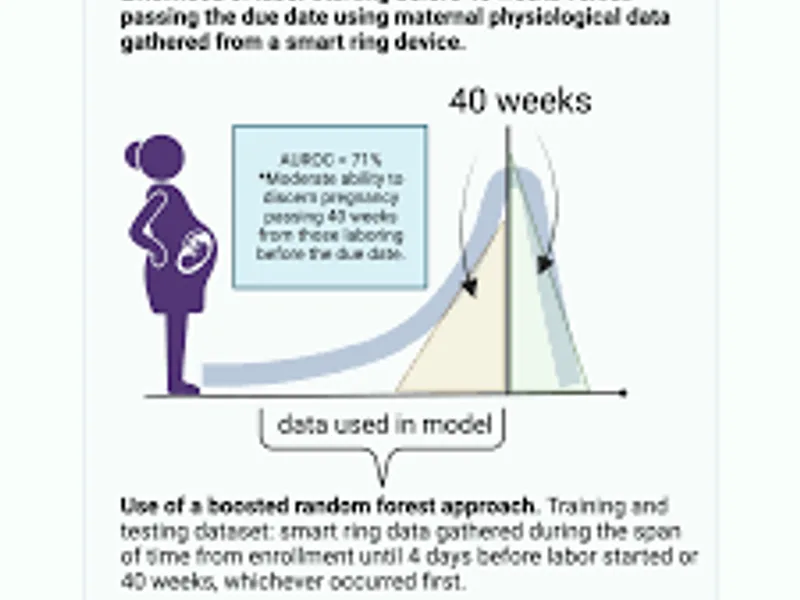
Going past your due date can feel like being stuck in a waiting room with no clock. This guide walks you through what actually happens during monitoring after due date pregnancy — the tests, the decisions, and the emotions nobody really prepares you for.
May 20, 2026
Going past your due date can feel like being stuck in a waiting room with no clock. This guide walks you through what actually happens during monitoring after due date pregnancy — the tests, the decisions, and the emotions nobody really prepares you for.
May 20, 2026
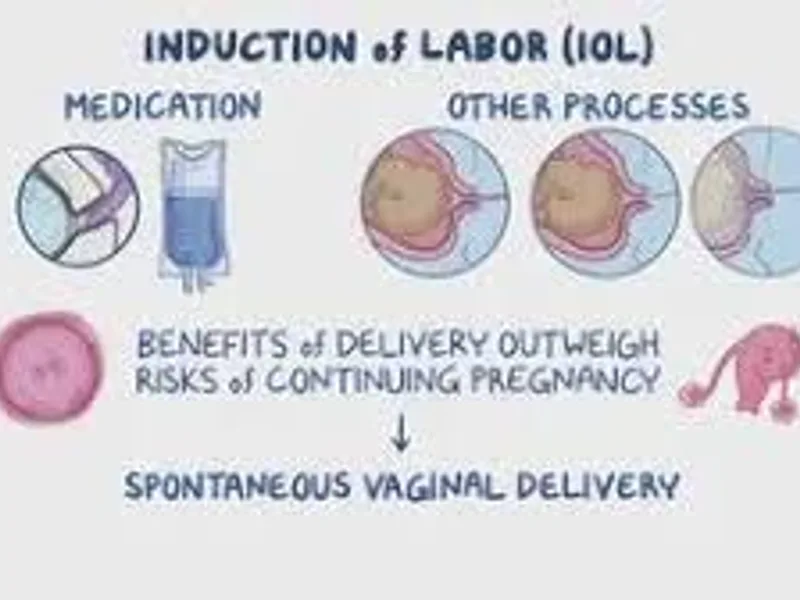
If you’re close to your due date and feeling stuck in waiting mode, this breaks down induction of labor methods in a way that actually makes sense. No jargon, no fluff—just what works, what doesn’t, and what it really feels like from a human perspective.
May 20, 2026