

Emergency & Help
24/7 Emergency & General Advisory
🚨 24/7 Medical Emergency
Non-Emergency Advisory
10:00 AM – 6:00 PM, Mon–Sat
For appointments & general queries.
24/7 Emergency & General Advisory
🚨 24/7 Medical Emergency
Non-Emergency Advisory
10:00 AM – 6:00 PM, Mon–Sat
For appointments & general queries.
Navigating pregnancy with lupus requires careful planning and expert medical care. Discover the risks, preparation steps, and how to achieve a healthy journey for you and your baby.

Once upon a time, a lupus diagnosis seemed to spell the end of dreams for many women hoping to become mothers. The thought of pregnancy with lupus conjures images of high risk and potential complications. But guess what? Times have changed, and so has the medical landscape! Today, with careful planning, close medical supervision, and a deep understanding of your condition, a healthy pregnancy and a thriving baby are absolutely within reach for most women with lupus. It’s not a walk in the park, mind you, but it is a journey many can successfully navigate. This guide is here to shed light on what you need to know, empowering you to take charge of your health and your pregnancy. Understanding Lupus: A Quick Refresher Before we dive into pregnancy, let's quickly recap what lupus is. Lupus, particularly Systemic Lupus Erythematosus (SLE), is a chronic autoimmune disease. In simple terms, your immune system, which is supposed to defend your body against invaders like viruses and bacteria, mistakenly starts attacking your own healthy tissues. This can affect virtually any part of your body – your skin, joints, kidneys, heart, lungs, brain, and blood. A lupus flare is when these symptoms become more active and noticeable. Why is Pregnancy Considered High Risk with Lupus? When lupus is active, it can impact various bodily systems, including the reproductive organs. This is precisely why a pregnancy in someone with lupus is often categorized as “high risk.” But let's be clear: “high risk” doesn't mean disaster is inevitable. It simply means that extra vigilance and specialized care are needed. Not all pregnancies with lupus carry the same level of risk. Several factors can influence this: Kidney Involvement (Lupus Nephritis): If lupus has affected your kidneys, this is a significant factor. Lupus nephritis can increase the likelihood of developing high blood pressure and preeclampsia during pregnancy. History of Blood Clots: Lupus can increase the risk of developing blood clots. If you have a history of these, your pregnancy will require careful monitoring. Antiphospholipid Syndrome (APS): Also known as Hughes syndrome, APS is an autoimmune disorder that can increase the risk of blood clots. Pregnancy with APS demands particularly close attention. Recent Medication Changes: Stopping certain lupus medications like hydroxychloroquine or azathioprine (which are generally considered safe during pregnancy) might influence your risk profile. The best outcomes are typically seen in individuals whose lupus is well-managed before conception and who have a solid plan in place with their healthcare team. Potential Risks and Complications During Pregnancy While a healthy pregnancy is achievable, it’s important to be aware of the potential complications. These can range from more common issues to less frequent but more serious ones: High Blood Pressure (Hypertension): Pregnancy can sometimes trigger high blood pressure, which, if left unmanaged, can lead to serious issues like preeclampsia. Preeclampsia: This is a serious condition characterized by high blood pressure and signs of damage to other organ systems, most often the liver and kidneys. It typically occurs after 20 weeks of pregnancy. HELLP Syndrome: This is a severe complication often associated with preeclampsia, involving Hemolysis (red blood cell breakdown), Elevated Liver enzymes, and Low Platelet count. Pregnancy Anemia: A lack of sufficient red blood cells can lead to fatigue and other complications. Premature Birth: Babies born before 37 weeks of gestation are considered premature. This is a more common concern in pregnancies affected by lupus. Low Birth Weight: Babies born with a weight below the expected range for their gestational age. Miscarriage: Sadly, a higher risk of pregnancy loss can occur. Stillbirth: The loss of a baby after 20 weeks of pregnancy. The stage and activity of your lupus before and during pregnancy significantly influence these risks. Managing lupus effectively is paramount. Preparing for Pregnancy with Lupus: The Power of Planning The Centers for Disease Control and Prevention (CDC) offers a clear recommendation: it's best to wait to get pregnant until your lupus has been well-managed or in remission for at least six months. This period allows your body to stabilise and reduces the immediate risk of a flare impacting your pregnancy. Here’s how to prepare: Consult Your Doctors Early: This is non-negotiable. Talk to your rheumatologist and your OB-GYN before you start trying to conceive. Discuss your lupus, its severity, any organ involvement, and your current medications. Achieve Disease Control: Work with your rheumatologist to get your lupus under control. This might involve adjusting medications or ensuring you are taking them consistently. Medication Review: Some lupus medications are safe for pregnancy, while others may need to be stopped or switched. Never make changes without medical guidance. Hydroxychloroquine and azathioprine are often considered safe and may even be continued or started during pregnancy. Folic Acid Supplementation: Start taking a folic acid supplement as recommended by your doctor, even before conception. This is vital for preventing neural tube defects in the baby. Genetic Counselling: If there's a family history of lupus or other autoimmune conditions, or if you have concerns about neonatal lupus, consider genetic counselling. Lifestyle Adjustments: Adopt a healthy lifestyle. This includes a balanced diet, regular (but appropriate) exercise, adequate sleep, and stress management techniques. Financial and Emotional Preparedness: Understand that pregnancy with lupus may require more frequent doctor visits, potential hospital stays, and specialized care. Be prepared for the emotional journey as well. The Importance of a Coordinated Care Team Your healthcare team is your strongest ally. For a lupus pregnancy, you'll likely need a multidisciplinary team: Your Rheumatologist: Manages your lupus. Your OB-GYN: Manages your pregnancy. Maternal-Fetal Medicine (MFM) Specialist: Also known as a perinatologist, this specialist focuses on high-risk pregnancies. Other Specialists: Depending on your specific situation, you might also need to see a cardiologist, nephrologist (kidney specialist), or a hematologist (blood specialist). Open communication between all these specialists is key to ensuring seamless care. Managing Lupus During Pregnancy Pregnancy brings hormonal and physiological changes that can affect lupus. Your doctors will closely monitor: Lupus Activity: Regular blood tests and check-ups will track any signs of a lupus flare. Kidney Function: Urine and blood tests will assess your kidney health. Blood Pressure: Frequent monitoring is essential to detect and manage hypertension and preeclampsia. Antibody Levels: Certain antibodies (like anti-SSA/Ro and anti-SSB/La) can be passed to the baby and may be monitored. Fetal Well-being: Ultrasounds and other fetal monitoring tests will assess the baby's growth and health. Medication Adjustments Your lupus medication regimen may need adjustments during pregnancy. Some medications are safe, while others are not. Your doctor will weigh the risks and benefits carefully. Corticosteroids, for instance, might be used cautiously to manage flares, but long-term use has potential side effects for both mother and baby. The goal is always to use the lowest effective dose for the shortest possible duration. Delivery and Postpartum Care The mode of delivery (vaginal or C-section) will depend on various factors, including your lupus activity, fetal well-being, and any pregnancy complications. Your doctors will make this decision collaboratively. The postpartum period can also be a time of increased lupus activity. Your immune system is still adjusting, and hormonal shifts can trigger flares. Continued close monitoring and adherence to your treatment plan are essential. If you develop hypertension during pregnancy, you might need to continue blood pressure medication for up to six weeks after delivery. Neonatal Lupus: What to Know In rare cases, antibodies from a mother with lupus can pass to the baby during pregnancy, leading to neonatal lupus. This condition typically resolves on its own within months as the antibodies clear from the baby's system. Symptoms can include a rash and, more seriously, heart complications, such as heart block. If a mother has specific antibodies (like anti-SSA/Ro), monitoring the baby's heart during pregnancy may be recommended. Can You Have a Healthy Pregnancy with Lupus? The Verdict Yes! With meticulous planning, proactive management of your lupus, and a dedicated healthcare team, a healthy pregnancy and a beautiful, healthy baby are very much a possibility. The journey requires commitment, open communication, and trust in your medical providers. Embrace the process, stay informed, and know that you are taking powerful steps towards a positive outcome. Your well-being and your baby's health are the top priorities, and with the right approach, you can achieve them. Frequently Asked Questions (FAQ) Is it safe to get pregnant if I have lupus? Yes, it is generally safe for many women with lupus to have a healthy pregnancy, especially if their lupus is well-controlled and they have a solid plan with their doctors. However, it is considered a high-risk pregnancy, requiring specialized care. What are the biggest risks of pregnancy with lupus? The main risks include high blood pressure, preeclampsia, HELLP syndrome, premature birth, low birth weight, miscarriage, and lupus flares. Kidney involvement and antiphospholipid syndrome can increase these risks. When is the best time to get pregnant if I have lupus? The recommended time is when your lupus has been in remission or well-managed for at least six months. This allows your body to stabilize before
In summary, timely diagnosis, evidence-based treatment, and prevention-focused care improve long-term health outcomes.
Visit Hospital
Near You
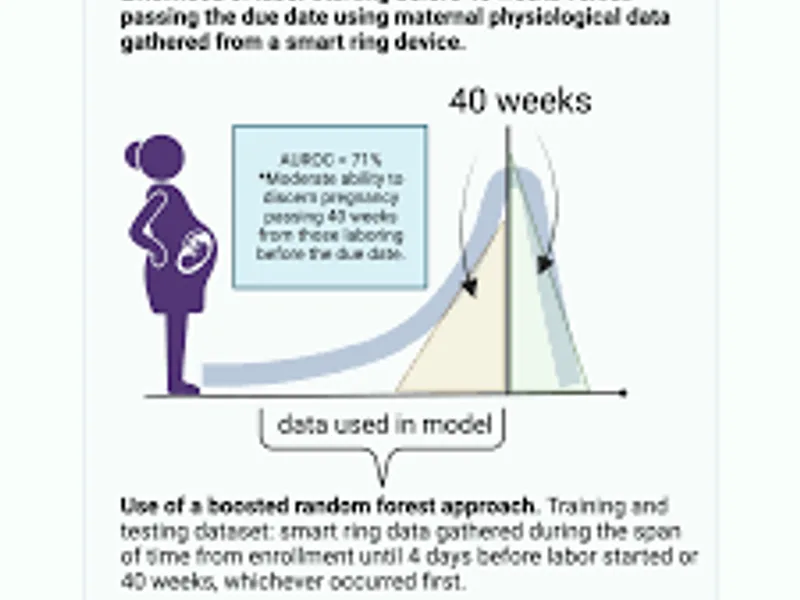
Going past your due date can feel like being stuck in a waiting room with no clock. This guide walks you through what actually happens during monitoring after due date pregnancy — the tests, the decisions, and the emotions nobody really prepares you for.
May 20, 2026
Going past your due date can feel like being stuck in a waiting room with no clock. This guide walks you through what actually happens during monitoring after due date pregnancy — the tests, the decisions, and the emotions nobody really prepares you for.
May 20, 2026
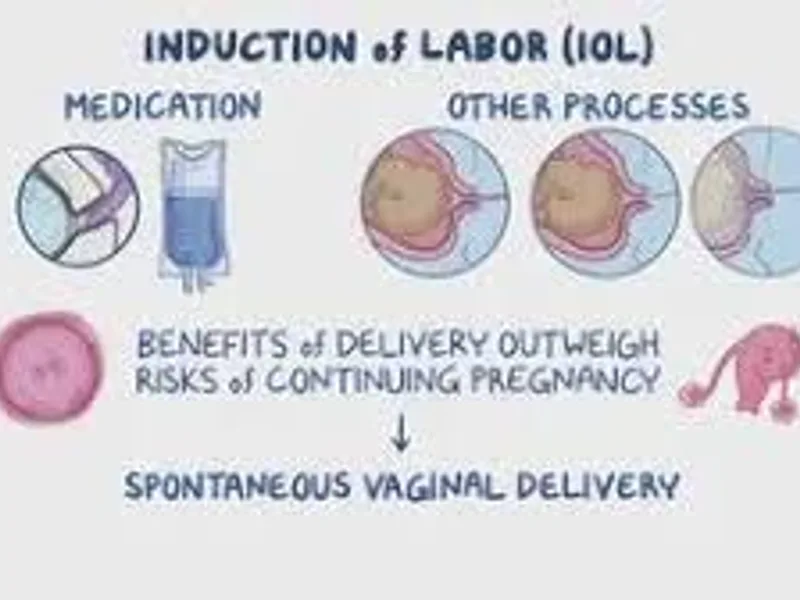
If you’re close to your due date and feeling stuck in waiting mode, this breaks down induction of labor methods in a way that actually makes sense. No jargon, no fluff—just what works, what doesn’t, and what it really feels like from a human perspective.
May 20, 2026