

Emergency & Help
24/7 Emergency & General Advisory
🚨 24/7 Medical Emergency
Non-Emergency Advisory
10:00 AM – 6:00 PM, Mon–Sat
For appointments & general queries.
24/7 Emergency & General Advisory
🚨 24/7 Medical Emergency
Non-Emergency Advisory
10:00 AM – 6:00 PM, Mon–Sat
For appointments & general queries.
Stay updated with our latest healthcare news and your appointments.
Explore pre-eclampsia medications, including antihypertensives (Labetalol, Nifedipine), magnesium sulfate for seizure prevention, and corticosteroids for fetal lung development. Learn about diagnosis, symptoms, and comprehensive treatment strategies for this serious pregnancy complication. Essential reading for expectant mothers and families.

Pre-eclampsia is a serious pregnancy complication characterized by high blood pressure and signs of damage to another organ system, most often the liver and kidneys. It typically begins after 20 weeks of pregnancy in women whose blood pressure had been normal. Left untreated, pre-eclampsia can lead to severe, even fatal, complications for both the mother and baby, including eclampsia (seizures) and HELLP syndrome. Understanding the medications used to manage this condition is crucial for expectant mothers and their families.
Pre-eclampsia is a complex disorder, and its exact cause remains unknown. However, it's believed to involve problems with the placenta, the organ that nourishes the fetus throughout pregnancy. When the placenta doesn't develop properly or function correctly, it can lead to impaired blood flow and the release of certain substances that affect the mother's blood vessels, causing widespread inflammation and high blood pressure.
At its core, pre-eclampsia is defined by new-onset hypertension (blood pressure of 140/90 mmHg or higher on two occasions, at least four hours apart, after 20 weeks of gestation in a previously normotensive woman) along with proteinuria (excess protein in the urine) or other signs of organ dysfunction. These signs can include:
Without proper management, pre-eclampsia can progress to eclampsia, which involves seizures in a woman with pre-eclampsia, or HELLP syndrome (Hemolysis, Elevated Liver enzymes, Low Platelet count), a severe form of pre-eclampsia that can be life-threatening.
While any pregnant woman can develop pre-eclampsia, certain factors increase the risk:
Pre-eclampsia can reduce blood flow to the placenta, potentially leading to fetal growth restriction, placental abruption (where the placenta separates from the inner wall of the uterus before delivery), and preterm birth. For the mother, it can cause kidney failure, liver damage, stroke, and, most critically, eclampsia, which can result in permanent brain damage or death.
Early detection is vital for managing pre-eclampsia and minimizing its risks. Regular prenatal check-ups are essential, as blood pressure and urine tests can often detect the condition before noticeable symptoms appear. However, it's crucial for expectant mothers to be aware of the signs and symptoms.
Many common symptoms can be subtle and sometimes mistaken for normal pregnancy discomforts. This is why vigilance is key:
If you experience any of the following severe symptoms, contact your healthcare provider immediately or go to the nearest emergency room:
These symptoms indicate that the condition may be worsening and require urgent medical intervention.
Diagnosing pre-eclampsia involves a combination of monitoring, physical examination, and laboratory tests. Your healthcare provider will systematically assess various indicators to confirm the diagnosis and determine its severity.
This is the primary diagnostic tool. Blood pressure readings of 140/90 mmHg or higher, recorded on two separate occasions at least four hours apart, after 20 weeks of gestation, are indicative of hypertension. If your blood pressure is 160/110 mmHg or higher, this is considered severe hypertension and requires immediate management.
A urine dipstick test can quickly screen for protein. If protein is detected, a 24-hour urine collection is usually performed to quantify the amount of protein. A protein level of 0.3 grams or more in a 24-hour urine sample confirms proteinuria.
Blood tests are crucial for evaluating organ damage and assessing the severity of pre-eclampsia:
Once pre-eclampsia is diagnosed, ongoing monitoring of the baby's health is essential:
While delivery of the baby and placenta is the definitive cure for pre-eclampsia, medications play a critical role in managing symptoms, preventing complications, and prolonging the pregnancy when possible to allow for fetal maturation. The choice of medication depends on the severity of the condition, gestational age, and individual patient factors.
These medications are used to lower blood pressure and prevent complications like stroke and placental abruption. They do not cure pre-eclampsia but help control its most dangerous symptom. The goal is to lower blood pressure to a safer range (typically 140-150/90-100 mmHg) without compromising blood flow to the placenta.
Labetalol is a beta-blocker that also has alpha-blocking properties, making it effective at lowering blood pressure without significantly reducing heart rate or causing reflex tachycardia. It is one of the most commonly used antihypertensives in pregnancy.
Nifedipine is a calcium channel blocker frequently used for both acute and chronic management of hypertension in pregnancy.
Methyldopa is a centrally acting alpha-agonist that has been used for decades to treat hypertension in pregnancy, particularly for chronic hypertension.
Hydralazine is a direct vasodilator primarily used for rapid reduction of severe hypertension, often in an emergency setting.
Other medications like ACE inhibitors and Angiotensin Receptor Blockers (ARBs) are contraindicated in pregnancy due to their known teratogenic effects (causing birth defects) and are never used for pre-eclampsia.
Magnesium sulfate is not an antihypertensive, but it is a cornerstone of pre-eclampsia management for its neuroprotective effects, primarily preventing seizures in women with severe pre-eclampsia or eclampsia.
When preterm delivery (before 34 weeks of gestation) is anticipated due to severe pre-eclampsia, corticosteroids are administered to the mother to accelerate the development of the baby's lungs and other organs, reducing the risk of respiratory distress syndrome and other complications in the newborn.
For women at high risk of developing pre-eclampsia, low-dose aspirin therapy can be a crucial preventative strategy.
Medication is a vital part of pre-eclampsia management, but it's part of a broader, holistic approach that includes close monitoring, lifestyle adjustments, and strategic planning for delivery.
Once diagnosed with pre-eclampsia, expectant mothers will undergo intensive monitoring:
While bed rest is no longer routinely recommended for all cases of pre-eclampsia, reduced activity may be advised to help manage blood pressure and conserve maternal energy. However, prolonged bed rest can carry its own risks, such as blood clots, so specific recommendations will come from your doctor.
Careful management of intravenous fluids is crucial to prevent fluid overload, especially in women receiving magnesium sulfate, which can impair kidney function.
Ultimately, the only definitive cure for pre-eclampsia is the delivery of the baby and placenta. The timing of delivery is a critical decision made by the healthcare team, balancing the risks of continuing the pregnancy (to the mother and baby) against the risks of preterm birth.
While pre-eclampsia cannot always be prevented, especially in women with pre-existing risk factors, certain measures can reduce the likelihood of developing the condition or mitigate its severity.
Discuss your medical history and any risk factors with your healthcare provider early in pregnancy. This allows for proactive screening and management strategies.
As discussed, if you are identified as high-risk, your doctor may recommend starting low-dose aspirin between 12 and 16 weeks of gestation and continuing until delivery. This has been shown to reduce the incidence of pre-eclampsia in at-risk populations.
While there's no strong evidence that specific diet or exercise regimens prevent pre-eclampsia, maintaining a healthy lifestyle is always beneficial during pregnancy:
Consistent and comprehensive prenatal care is paramount. Regular visits allow your healthcare provider to monitor your blood pressure, urine, and overall health, catching any signs of pre-eclampsia early and enabling timely intervention.
Pre-eclampsia can develop rapidly, and symptoms can escalate quickly. It is crucial to be vigilant and know when to seek immediate medical attention.
Do not wait for your next appointment. Early intervention can prevent serious complications for both you and your baby.
Pre-eclampsia is characterized by high blood pressure and signs of organ damage during pregnancy. Eclampsia is a more severe complication of pre-eclampsia where the mother experiences seizures that are not attributable to other causes. Eclampsia is a medical emergency.
Yes, pre-eclampsia can develop or worsen in the postpartum period, usually within the first 48 hours after delivery, but sometimes up to six weeks postpartum. This is known as postpartum pre-eclampsia, and it requires the same vigilance and treatment as pre-eclampsia during pregnancy.
While not entirely preventable, especially in high-risk individuals, the risk can be significantly reduced with early identification of risk factors and preventative measures like low-dose aspirin therapy. Regular prenatal care is the best way to monitor for and manage the condition.
Women who have had pre-eclampsia have an increased risk of developing chronic hypertension, heart disease, stroke, and kidney disease later in life. There's also an increased risk of pre-eclampsia in future pregnancies. Long-term follow-up with a healthcare provider is recommended.
Yes, most women who had pre-eclampsia can safely breastfeed. The medications commonly used for pre-eclampsia (like labetalol, nifedipine, methyldopa, and magnesium sulfate) are generally considered compatible with breastfeeding, though it's always best to discuss this with your doctor.
Pre-eclampsia is a serious and potentially life-threatening condition, but with early detection, close monitoring, and appropriate medical management, positive outcomes for both mother and baby are highly achievable. Medications like antihypertensives, magnesium sulfate, corticosteroids, and low-dose aspirin play crucial roles in controlling symptoms, preventing complications, and supporting fetal development.
Understanding the signs, knowing when to seek urgent medical care, and adhering to your healthcare provider's treatment plan are paramount. While the journey with pre-eclampsia can be challenging, a collaborative approach with your medical team ensures the best possible care during this critical time. Always communicate openly with your doctor about any concerns or symptoms you experience.
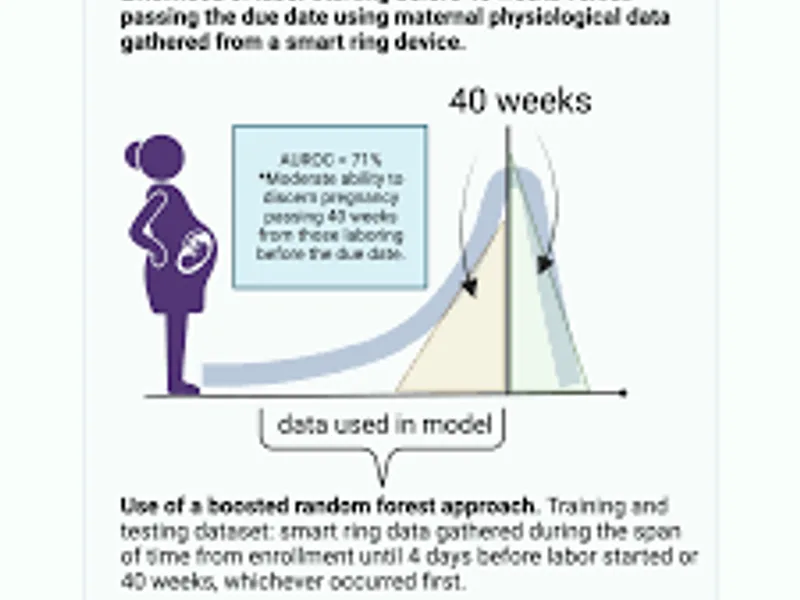
Going past your due date can feel like being stuck in a waiting room with no clock. This guide walks you through what actually happens during monitoring after due date pregnancy — the tests, the decisions, and the emotions nobody really prepares you for.
May 20, 2026
Going past your due date can feel like being stuck in a waiting room with no clock. This guide walks you through what actually happens during monitoring after due date pregnancy — the tests, the decisions, and the emotions nobody really prepares you for.
May 20, 2026
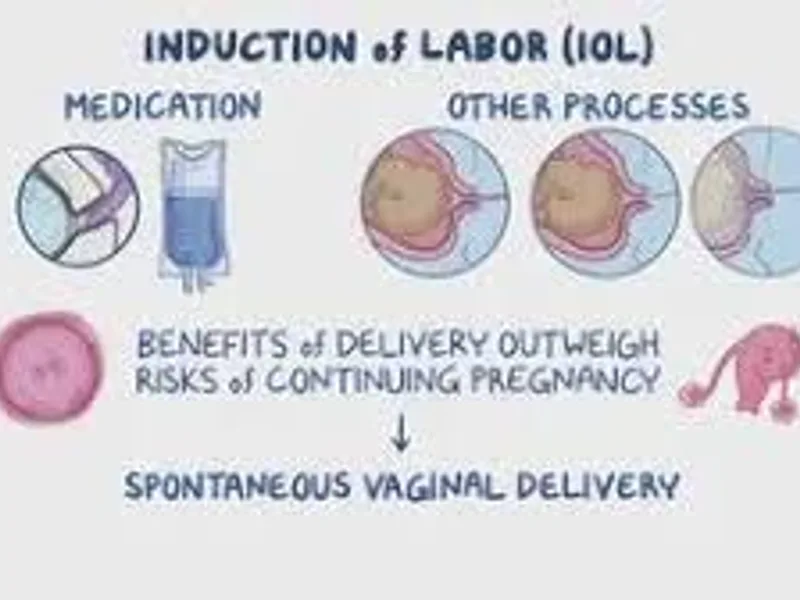
If you’re close to your due date and feeling stuck in waiting mode, this breaks down induction of labor methods in a way that actually makes sense. No jargon, no fluff—just what works, what doesn’t, and what it really feels like from a human perspective.
May 20, 2026