

Emergency & Help
24/7 Emergency & General Advisory
🚨 24/7 Medical Emergency
Non-Emergency Advisory
10:00 AM – 6:00 PM, Mon–Sat
For appointments & general queries.
24/7 Emergency & General Advisory
🚨 24/7 Medical Emergency
Non-Emergency Advisory
10:00 AM – 6:00 PM, Mon–Sat
For appointments & general queries.
Explore Natural Cycles, the first FDA-cleared app-based birth control. Learn how it works, its effectiveness, pros, cons, and if it's the right hormone-free option for you.

In today's world, technology touches almost every aspect of our lives, and healthcare is no exception. For women seeking effective, hormone-free birth control options, a new era has dawned with the advent of sophisticated apps. Among these, Natural Cycles stands out as a pioneering force, being the first app-based birth control method cleared by the Food and Drug Administration (FDA). But what exactly is Natural Cycles, and how well does it truly work in preventing unintended pregnancies? Let's explore this innovative approach to family planning. For many, the idea of using a smartphone app for birth control might seem novel, even surprising. Yet, Natural Cycles is designed to be a legitimate medical tool, leveraging cutting-edge algorithms to help you understand your body's natural rhythm. It falls under the umbrella of fertility awareness methods (FAMs), a strategy that has been around for ages but is now amplified by digital precision. What is Natural Cycles? Natural Cycles operates on a simple yet powerful principle: tracking your basal body temperature (BBT) and menstrual cycle data to predict your fertile window. Your BBT is your body's lowest resting temperature, and it can offer clues about ovulation. By taking your temperature first thing every morning, before you even get out of bed, and logging it into the app, you provide it with the raw data it needs. The app then uses a sophisticated algorithm to analyze this information, combined with your period start and end dates, to determine whether you are in a fertile or non-fertile phase of your cycle. The app's interface is designed to be user-friendly. It typically displays your fertility status with a clear visual cue: a green light indicating non-fertile days, and a red light signaling fertile days. This allows you to make informed decisions about whether to use protection or abstain from intercourse during your fertile window. It's important to understand that fertility awareness, in general, is about identifying the days in your cycle when pregnancy is most likely to occur – usually a few days before and during ovulation. How Does Natural Cycles Work? The magic behind Natural Cycles lies in its algorithm. This algorithm is specifically designed to learn and adapt to your unique menstrual cycle. It takes into account the subtle but significant temperature shifts that occur throughout your cycle. Typically, your BBT will be slightly lower before ovulation and then rise and remain elevated for about 10 to 12 days after ovulation. By tracking these patterns, the algorithm can pinpoint ovulation and, by extension, your fertile window. To get started, you'll need to download the Natural Cycles app and choose a subscription plan. The app requires consistent daily temperature readings. The company suggests it can take one to three menstrual cycles for the algorithm to accurately learn your personal cycle data. This learning period is crucial for establishing a reliable baseline. During this time, it's advisable to use alternative birth control methods to avoid unintended pregnancy. Factors Affecting Basal Body Temperature It's essential to be aware that several factors can influence your BBT readings, potentially impacting the app's accuracy. These include: Illness or fever Alcohol consumption the night before Changes in sleep patterns or disruptions Travel across time zones Certain medications Stress To maximize accuracy, it's recommended to take your temperature at the same time each morning, immediately upon waking, and before any physical activity or even sitting up in bed. Effectiveness of Natural Cycles When discussing birth control, effectiveness is paramount. Natural Cycles reports high effectiveness rates on its website. They claim that the app is 93 percent effective with typical use and 98 percent effective with perfect use. This means that for every 100 women using Natural Cycles for a year, 7 would become pregnant with typical use, and 2 would become pregnant with perfect use. However, it's vital to understand the distinction between typical and perfect use. Perfect use involves meticulously following all instructions every single time, without any errors or deviations. Typical use accounts for real-life scenarios, where occasional mistakes or lapses can occur. For any birth control method, typical use effectiveness is a more realistic measure for most individuals. A 2015 study involving 317 women aged 18 to 39 years investigated the effectiveness of Natural Cycles. The researchers reported a low number of false non-fertile predictions, suggesting that the app can indeed be a useful hormone-free birth control option. This study provided valuable data supporting the app's potential as a reliable FAM. Understanding the Numbers It is critical to remember that no form of birth control, including Natural Cycles, is 100 percent effective. Even with perfect use, there is still a possibility of pregnancy. This is a fundamental principle of contraception that applies across the board. The goal is to minimize risk, not eliminate it entirely. In 2018, Natural Cycles faced some negative publicity in the UK and Sweden when reports emerged of 37 users experiencing unintended pregnancies. This highlights the importance of understanding and adhering to the method's guidelines, as well as being aware of its limitations. It also underscores the need for open communication with healthcare providers about family planning choices. Natural Cycles vs. Other Birth Control Methods Natural Cycles appeals to individuals seeking alternatives to hormonal birth control methods like pills, patches, or implants. It offers a way to prevent pregnancy without introducing synthetic hormones into the body. This is a significant advantage for those who experience side effects from hormonal methods or prefer a more natural approach. Compared to traditional fertility awareness methods, Natural Cycles offers enhanced precision through its algorithm and digital tracking. Older methods often relied on simpler calculations or less precise tracking, making them more susceptible to user error. The app's ability to adapt to individual cycles is a key differentiator. However, it's important to compare its effectiveness rates with other methods. For instance, some long-acting reversible contraceptives (LARCs) like IUDs or implants boast higher typical use effectiveness rates, often exceeding 99 percent. This means fewer unintended pregnancies occur with these methods under typical use conditions. Who is Natural Cycles For? Natural Cycles can be a suitable option for: Women who want to avoid hormonal birth control. Individuals who are comfortable with technology and diligent about daily tracking. Those who are in a stable relationship and can communicate openly about contraception. Women who are willing to use a backup method of contraception during fertile days or during the initial learning period. People who understand and accept that no birth control method is 100 percent foolproof. Considerations Before Starting Before you decide to use Natural Cycles, consider the following: Consistency is Key: You must be committed to taking your temperature every single morning at the same time. Understanding Your Cycle: Your menstrual cycle needs to be somewhat regular for the algorithm to work effectively. If your cycles are highly irregular due to conditions like PCOS or other hormonal imbalances, this method might be less reliable. Backup Method: Be prepared to use condoms or another barrier method on days the app indicates you are fertile, especially during the initial learning phase. Cost: Natural Cycles requires a subscription fee, which includes the app and potentially a thermometer. Doctor's Consultation: Always discuss your birth control options with your doctor or a healthcare provider to ensure it's the right choice for your individual health needs and circumstances. Potential Side Effects and Risks As a non-hormonal method, Natural Cycles does not carry the same hormonal side effects associated with other birth control methods, such as mood changes, weight gain, or blood clots. However, the primary risk associated with Natural Cycles, like any fertility awareness method, is the possibility of unintended pregnancy if the method is not used perfectly or if the fertile window is misidentified. The negative publicity from 2018 serves as a reminder that user error or a misunderstanding of the app's predictions can lead to pregnancies. It's also important to note that Natural Cycles, like other FAMs, does not protect against sexually transmitted infections (STIs). For STI protection, barrier methods like condoms are necessary. Customer Reviews and Pricing Customer feedback on Natural Cycles is varied. On platforms like Trustpilot, the app generally holds an average customer rating of around 3.8 out of 5 stars. Many users praise its effectiveness as a hormone-free option and appreciate the insights it provides into their bodies. Others have expressed concerns about the accuracy of predictions or the learning curve involved. Pricing for Natural Cycles typically involves a subscription fee, which may vary. This usually grants access to the app and sometimes includes a specific basal body thermometer designed for accurate readings. It's advisable to check the official Natural Cycles website for the most current pricing and subscription details. When to Consult a Doctor It is always a good idea to consult with a healthcare professional before starting any new birth control method. You should definitely speak with your doctor if: You have irregular menstrual cycles. You have a history of reproductive health issues. You are unsure if Natural Cycles is the right
In summary, timely diagnosis, evidence-based treatment, and prevention-focused care improve long-term health outcomes.
Visit Hospital
Near You
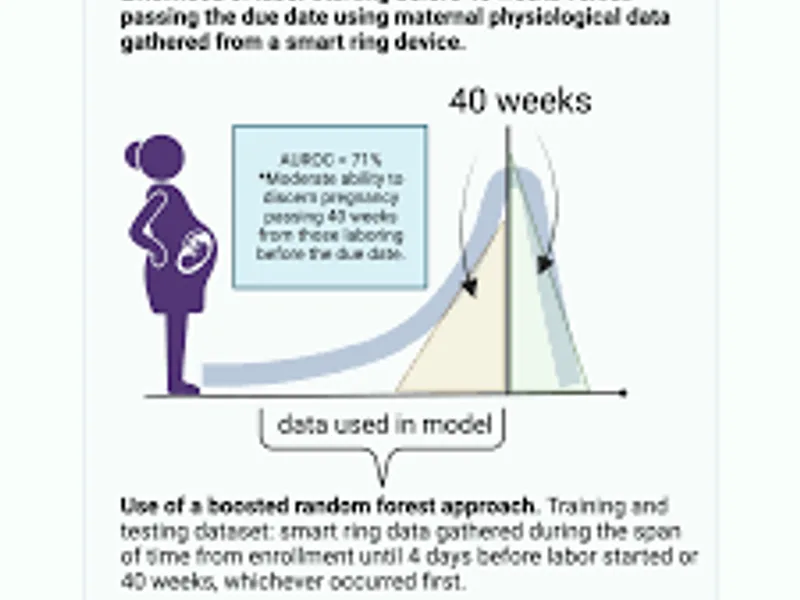
Going past your due date can feel like being stuck in a waiting room with no clock. This guide walks you through what actually happens during monitoring after due date pregnancy — the tests, the decisions, and the emotions nobody really prepares you for.
May 20, 2026
Going past your due date can feel like being stuck in a waiting room with no clock. This guide walks you through what actually happens during monitoring after due date pregnancy — the tests, the decisions, and the emotions nobody really prepares you for.
May 20, 2026
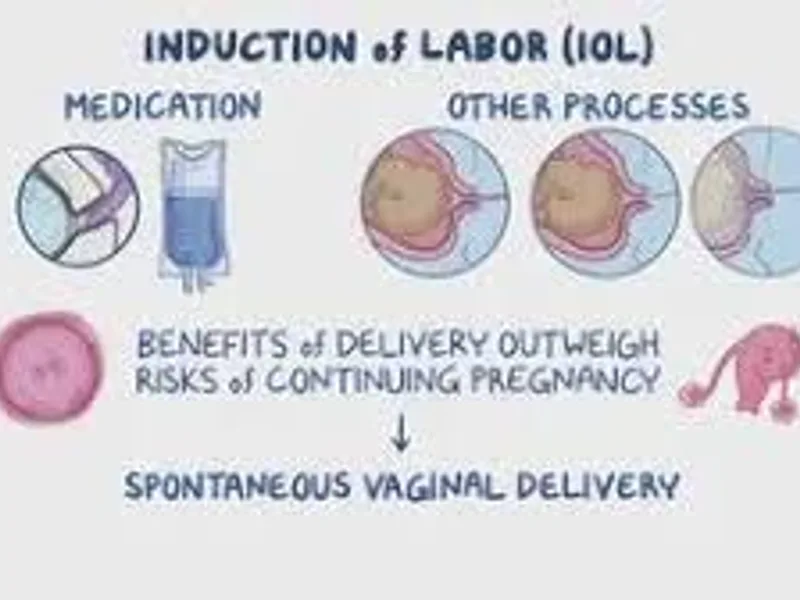
If you’re close to your due date and feeling stuck in waiting mode, this breaks down induction of labor methods in a way that actually makes sense. No jargon, no fluff—just what works, what doesn’t, and what it really feels like from a human perspective.
May 20, 2026