

Emergency & Help
24/7 Emergency & General Advisory
🚨 24/7 Medical Emergency
Non-Emergency Advisory
10:00 AM – 6:00 PM, Mon–Sat
For appointments & general queries.
24/7 Emergency & General Advisory
🚨 24/7 Medical Emergency
Non-Emergency Advisory
10:00 AM – 6:00 PM, Mon–Sat
For appointments & general queries.
Explore natural supplements for breastfeeding: discover what can help boost milk supply and what to avoid, with insights on Moringa, Fenugreek, Peppermint, and essential oils. Learn about safety and consultation.

Becoming a new mother is a journey filled with immense joy, but it also brings a unique set of challenges, especially when it comes to breastfeeding. Many mothers wonder how to best support their milk supply, and often, natural remedies and supplements come to mind. It's a time when you're seeking gentle, effective ways to nourish your baby, and the world of herbs and natural ingredients can seem like a promising avenue. However, navigating this can be confusing. What's safe? What actually helps? And what should you steer clear of entirely? As a postpartum doula, my goal is to help mothers make informed choices. You're pouring so much of yourself into caring for your new baby, and you deserve clear, reliable information, especially when it comes to what you consume. While many cultures have long traditions of using natural remedies to support lactation, the scientific evidence and safety profiles can vary. This guide aims to break down some of the most talked-about natural supplements for breastfeeding mothers, separating the helpful from the potentially harmful. Understanding Your Breastfeeding Needs The postpartum period, often called the 'fourth trimester,' is a time of significant adjustment for both you and your baby. Your body is recovering, and you're learning to meet your baby's every need. It's completely normal to have questions about your milk supply. Some mothers worry about not producing enough, while others might be looking for ways to gently reduce their supply if needed. Your OB-GYN might not always have the answers regarding specific herbs or supplements, as their expertise often lies in conventional medicine. This is where understanding your options, with a focus on safety and evidence, becomes essential. When you're feeling overwhelmed and vulnerable, seeking guidance is natural. The lack of clear answers about natural supplements can add to the stress. This guide is here to provide that clarity, drawing on anecdotal experience, available research, and expert opinions to help you make confident decisions for yourself and your baby. Supplements That May Help Boost Milk Supply Several natural ingredients have gained attention for their potential to support and increase breast milk production. It’s important to remember that individual responses can vary, and what works wonders for one mother might not have the same effect on another. Moringa Oleifera (Malunggay) Moringa, also known by its Filipino name, Malunggay, is a plant that has been used for centuries in various cultures to promote lactation. It's packed with nutrients and is known for its antioxidant and anti-inflammatory properties. While more extensive human studies are needed, early research and anecdotal evidence are promising. How it might help: Moringa is believed to stimulate milk production due to its rich nutritional profile, which includes vitamins, minerals, and amino acids essential for milk synthesis. Forms available: You can find moringa in several forms, including tea, capsules, and powder. The powder can be a convenient addition to smoothies, making it easy to incorporate into your daily routine. Safety: A small study on breastfeeding mothers found no adverse side effects. It's generally considered safe, but as with any supplement, starting with a small dose is wise. A real-life scenario: Priya, a new mother in Mumbai, was concerned about her milk supply after a difficult birth. Her mother suggested trying Moringa tea, a traditional remedy in their family. After a week of drinking it daily, Priya noticed a significant improvement in her baby's satisfaction after feeds and felt more confident about her milk production. Lecithin Lecithin, whether soy- or sunflower-based, is often recommended to help improve milk flow and prevent clogged ducts. It acts as an emulsifier, which means it helps to break down fats in the milk, making it less viscous and easier for your baby to latch and for milk to move through the ducts. How it might help: By making milk less thick, lecithin can reduce the risk of blockages and improve the overall let-down reflex, making breastfeeding a smoother experience. Forms available: Lecithin is typically available in capsule form. Safety: It is considered safe for use during pregnancy and postpartum. Dosage: The typical recommendation is to take 1-2 capsules, 2-3 times a day, but it's always best to discuss with a healthcare provider or lactation consultant. Fenugreek Fenugreek is one of the most well-known herbal galactagogues (substances that promote milk production). It has a long history of use worldwide for this purpose. However, it's also one of the supplements with a higher reported incidence of adverse reactions, so caution is advised. How it might help: Fenugreek is thought to stimulate sweat glands, and since breast tissue is essentially modified sweat glands, it may stimulate milk production. Forms available: Fenugreek is commonly found in capsule form, but also as tea. Potential Side Effects: Studies indicate a significant percentage of women experience adverse reactions. These can include digestive upset (gas, bloating, diarrhea), a maple syrup-like odor in urine and sweat, and in rare cases, it can lower blood sugar or affect thyroid hormone levels. There's also a concern that it may not be suitable for those with certain medical conditions, like diabetes or hormone-sensitive cancers. Recommendation: Given the potential side effects, many lactation consultants now recommend other options first, like Moringa, before trying Fenugreek. If you do try it, start with a low dose and monitor your body's response closely. Supplements to Approach with Caution or Avoid Just as some natural ingredients can support breastfeeding, others may interfere with milk supply or pose risks to you or your baby. It's vital to be aware of these. Peppermint Peppermint is a popular herb, often consumed as tea, and is known for its soothing digestive properties. However, for breastfeeding mothers, it can have the opposite effect on milk supply. How it might affect supply: Peppermint is anecdotally reported and supported by some limited data to have the potential to dry up milk supply. The menthol content is believed to be the culprit. Recommendation: If you are struggling with low milk supply or trying to establish it, it is best to avoid peppermint. While a single cup of peppermint tea might not drastically impact supply for everyone, it's a risk best avoided when milk production is a concern. Capsules, being more concentrated, should definitely be avoided. Certain Essential Oils Essential oils are highly concentrated plant extracts. While they are used in aromatherapy and sometimes topically, their ingestion or even diffusion around infants requires extreme caution, especially during the postpartum period. Risks: Highly concentrated versions of natural ingredients can have known adverse effects. Some essential oils are of particular concern for topical and diffused applications in pregnancy and postpartum. They can potentially affect milk supply or even be passed to the baby, causing adverse reactions. Safety: It is generally advised to avoid ingesting essential oils and to be very cautious with topical application or diffusion, especially around infants. Always consult with a qualified aromatherapist or healthcare provider experienced in essential oil safety for breastfeeding mothers. Important Considerations for All Supplements When considering any supplement while breastfeeding, it's essential to approach it with informed caution. Your health and your baby's well-being are paramount. Consult Your Doctor or Lactation Consultant This is the most critical step. While this guide provides information, it cannot replace personalized medical advice. Your doctor or an International Board Certified Lactation Consultant (IBCLC) can assess your individual health status, your baby's needs, and provide guidance tailored to your situation. They can help you understand potential interactions with any medications you might be taking and advise on safe dosages. Start Low and Go Slow If you decide to try a supplement that is generally considered safe, begin with the lowest recommended dose. Observe how your body responds. Are there any digestive issues? Do you notice any changes in your mood or energy levels? Give your body time to adjust. Listen to Your Body Your body will often tell you if something isn't right. If you experience any negative symptoms after starting a supplement, stop taking it immediately. Symptoms could range from digestive upset, allergic reactions, changes in mood, or any other unusual physical sensation. Don't hesitate to reach out to your healthcare provider if you have concerns. Quality Matters Choose supplements from reputable brands that follow good manufacturing practices. Look for third-party certifications if possible, which can help ensure the purity and potency of the product. Contaminated or poorly manufactured supplements can pose risks. Tea vs. Capsules Generally, teas are a gentler way to introduce an herb or supplement compared to concentrated capsules or tinctures. Capsules can contain significantly higher doses, increasing the risk of side effects. If you're road-testing a new herb, starting with a tea is often a safer bet. When to Seek Professional Guidance It’s always a good idea to have a conversation with your healthcare provider or a lactation consultant if: You are experiencing significant concerns about your milk supply. You are considering taking multiple supplements. You have any underlying health conditions. You are taking prescription medications. You notice any adverse reactions after starting a supplement. Navigating
In summary, timely diagnosis, evidence-based treatment, and prevention-focused care improve long-term health outcomes.
Visit Hospital
Near You

Going past your due date can feel like being stuck in a waiting room with no clock. This guide walks you through what actually happens during monitoring after due date pregnancy — the tests, the decisions, and the emotions nobody really prepares you for.
May 20, 2026
Going past your due date can feel like being stuck in a waiting room with no clock. This guide walks you through what actually happens during monitoring after due date pregnancy — the tests, the decisions, and the emotions nobody really prepares you for.
May 20, 2026
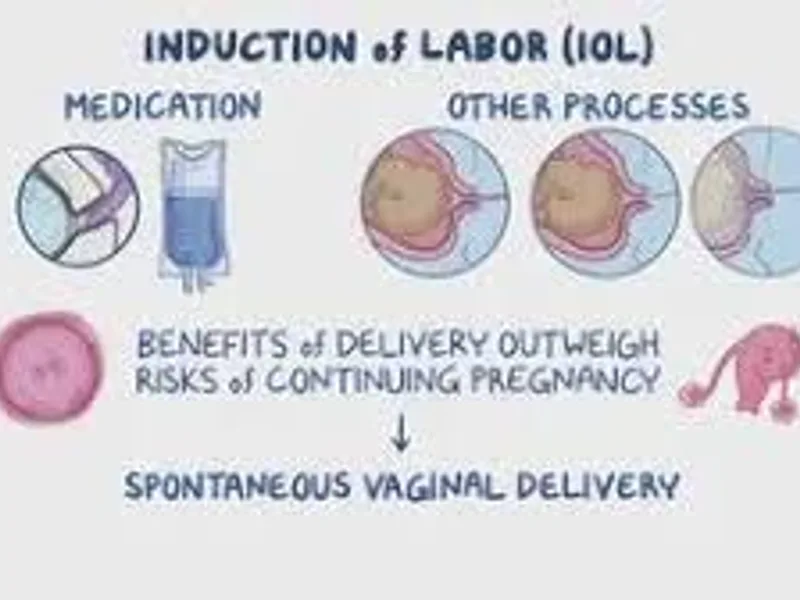
If you’re close to your due date and feeling stuck in waiting mode, this breaks down induction of labor methods in a way that actually makes sense. No jargon, no fluff—just what works, what doesn’t, and what it really feels like from a human perspective.
May 20, 2026