

Emergency & Help
24/7 Emergency & General Advisory
🚨 24/7 Medical Emergency
Non-Emergency Advisory
10:00 AM – 6:00 PM, Mon–Sat
For appointments & general queries.
24/7 Emergency & General Advisory
🚨 24/7 Medical Emergency
Non-Emergency Advisory
10:00 AM – 6:00 PM, Mon–Sat
For appointments & general queries.
A comprehensive guide for new and expecting mothers in India on understanding, recognizing, and preparing for postpartum depression (PPD) with practical advice and support strategies.

Becoming a mother for the first time is a monumental life event, filled with immeasurable joy, profound love, and, of course, a healthy dose of challenges. While the excitement of welcoming a new baby is immense, it's equally important to acknowledge and prepare for the emotional and mental shifts that can accompany this transition. One such significant concern for many new mothers is postpartum depression (PPD). This guide aims to provide a comprehensive understanding of PPD, focusing on preparation, recognition, and support systems, especially for mothers in India.
Postpartum depression is more than just the 'baby blues.' While the baby blues are a common, short-lived period of mood swings, crying spells, and anxiety that can occur in the first few weeks after childbirth, PPD is a more persistent and severe form of depression that can affect a mother's ability to care for her baby and herself. It can develop anytime within the first year after giving birth.
The statistics can be sobering: PPD affects a significant percentage of new mothers globally. In India, while specific large-scale studies are still evolving, anecdotal evidence and smaller surveys suggest it is a prevalent concern. It's vital to remember that experiencing PPD does not make you a bad mother; it is a medical condition that requires attention and support.
Early recognition is key to effective management. The symptoms of PPD can vary greatly from woman to woman and can include:
It's important to distinguish these from the baby blues, which are typically milder and resolve on their own within a couple of weeks. If symptoms persist or are severe, seeking professional help is crucial.
Several factors can increase a woman's risk of developing PPD. These can include:
Proactive preparation can significantly mitigate the impact of PPD. This involves both practical and emotional readiness.
Having reliable support is paramount. This includes your partner, family members, close friends, and even community groups. Communicate your needs and concerns openly with them. Don't hesitate to ask for help with childcare, household chores, or simply for a listening ear.
During pregnancy and after delivery, focus on nutrition, adequate rest (as much as possible with a newborn), and gentle exercise. A healthy body supports a healthy mind. If you have pre-existing medical conditions like bipolar disorder, work closely with your doctor to manage your medication safely for both you and the baby, as was done in the source article.
This can involve therapy during pregnancy and after delivery. Talking to a therapist can provide a safe space to express anxieties, develop coping strategies, and gain reassurance. Prenatal mental health screenings can identify individuals at higher risk, allowing for early intervention and support.
Real-life scenario: Priya, a first-time mother, felt overwhelmed by her baby's constant crying. She started doubting her abilities and felt a deep sense of loneliness, even with her husband by her side. She remembered her doctor mentioning the importance of seeking help early and decided to call her therapist, who helped her reframe her thoughts and find practical ways to cope with the challenges.
Understanding what PPD is, its symptoms, and available treatments can demystify the condition and reduce fear. Knowledge empowers you to recognize the signs in yourself or a loved one and seek help without delay. Resources like this guide are designed to provide that foundational knowledge.
Reduce potential stressors by planning ahead for things like meals, help with household tasks, and understanding your baby's needs. When practical worries are managed, you can focus more on emotional well-being.
If you suspect you might be experiencing PPD, the first step is to consult your doctor or a mental health professional. Diagnosis typically involves a thorough assessment of your symptoms, medical history, and a physical exam to rule out other conditions. Treatment plans are often tailored to the individual and can include:
While PPD is serious, certain symptoms require immediate medical attention. If you experience:
Please reach out to a crisis hotline, go to the nearest emergency room, or contact your healthcare provider immediately. Your safety and the safety of your baby are the top priorities.
While not all cases of PPD can be prevented, taking steps to nurture your mental and emotional well-being before, during, and after pregnancy can significantly reduce your risk:
No. The baby blues are temporary and mild mood swings that usually resolve within two weeks. PPD is a more severe and persistent form of depression that requires professional attention.
Yes, fathers and partners can also experience depression after a baby is born, sometimes referred to as paternal postpartum depression. Symptoms are similar to those in mothers.
The duration varies. With treatment, many women start feeling better within a few weeks to months, but symptoms can sometimes last longer.
If you have a history of mental illness, you are at a higher risk. It's essential to discuss this with your healthcare provider early in pregnancy to create a comprehensive management and support plan.
Many antidepressants are considered safe for breastfeeding, but it's crucial to discuss this with your doctor to weigh the benefits and risks for you and your baby. Do not stop medication without consulting your doctor.
Navigating the journey of new motherhood is a profound experience. While the prospect of postpartum depression can be daunting, being informed, prepared, and supported can make a significant difference. Remember, seeking help is a sign of strength, not weakness. By prioritizing your mental well-being, you are not only caring for yourself but also ensuring the best possible start for your baby. Reach out, speak up, and know that you are not alone in this journey.
Most people do not notice early warning signs right away. That is common. A simple symptom diary, basic routine checks, and timely follow-up visits can prevent small problems from becoming serious.
If you are already on treatment, stay consistent with medicines and lifestyle advice. If your symptoms change, do not guess. Check with a qualified doctor and update your plan early.
Write down symptoms, triggers, and timing for a few days.
Carry old prescriptions and test reports to your consultation.
Ask clearly about side effects, red-flag signs, and follow-up dates.
Seek urgent care for severe pain, breathing trouble, bleeding, fainting, or sudden worsening.
Visit Hospital
Near You
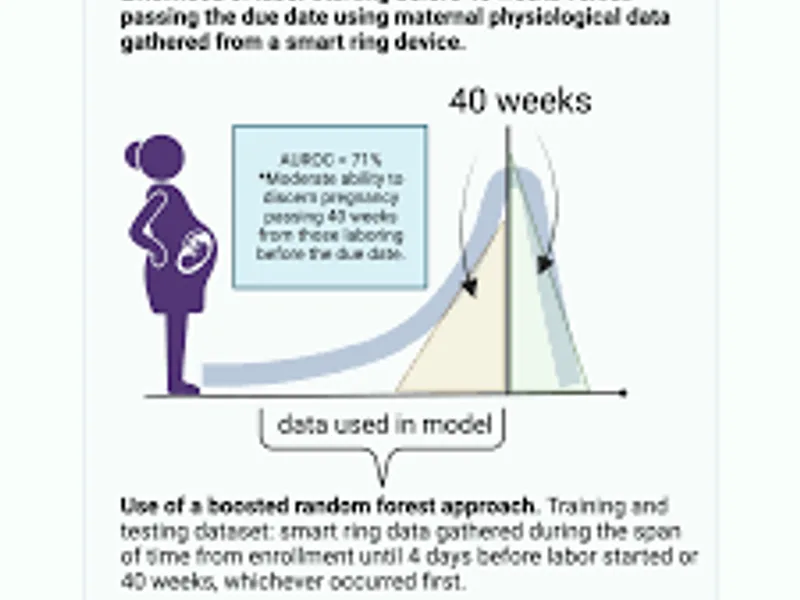
Going past your due date can feel like being stuck in a waiting room with no clock. This guide walks you through what actually happens during monitoring after due date pregnancy — the tests, the decisions, and the emotions nobody really prepares you for.
May 20, 2026
Going past your due date can feel like being stuck in a waiting room with no clock. This guide walks you through what actually happens during monitoring after due date pregnancy — the tests, the decisions, and the emotions nobody really prepares you for.
May 20, 2026
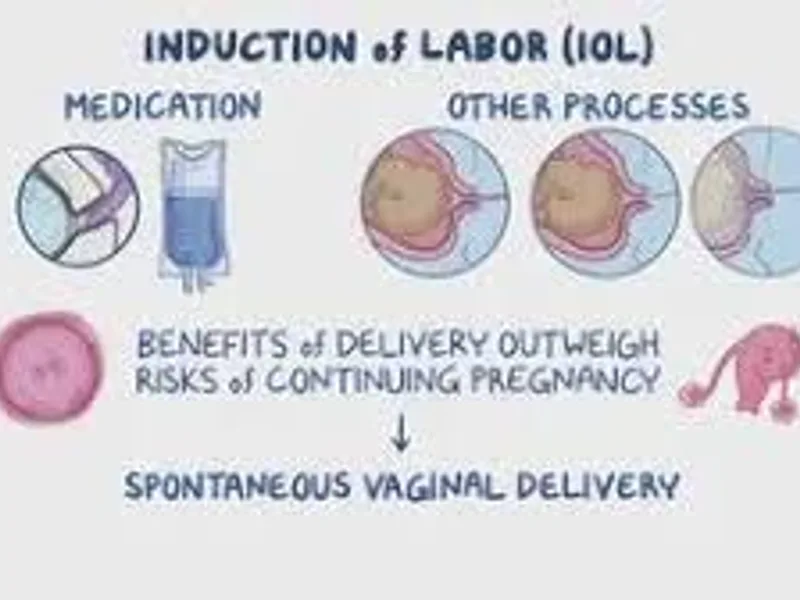
If you’re close to your due date and feeling stuck in waiting mode, this breaks down induction of labor methods in a way that actually makes sense. No jargon, no fluff—just what works, what doesn’t, and what it really feels like from a human perspective.
May 20, 2026