

Emergency & Help
24/7 Emergency & General Advisory
🚨 24/7 Medical Emergency
Non-Emergency Advisory
10:00 AM – 6:00 PM, Mon–Sat
For appointments & general queries.
24/7 Emergency & General Advisory
🚨 24/7 Medical Emergency
Non-Emergency Advisory
10:00 AM – 6:00 PM, Mon–Sat
For appointments & general queries.
New moms, discover expert-approved solutions for postpartum hair loss. Learn about causes, symptoms, and effective products to support hair regrowth and manage thinning.
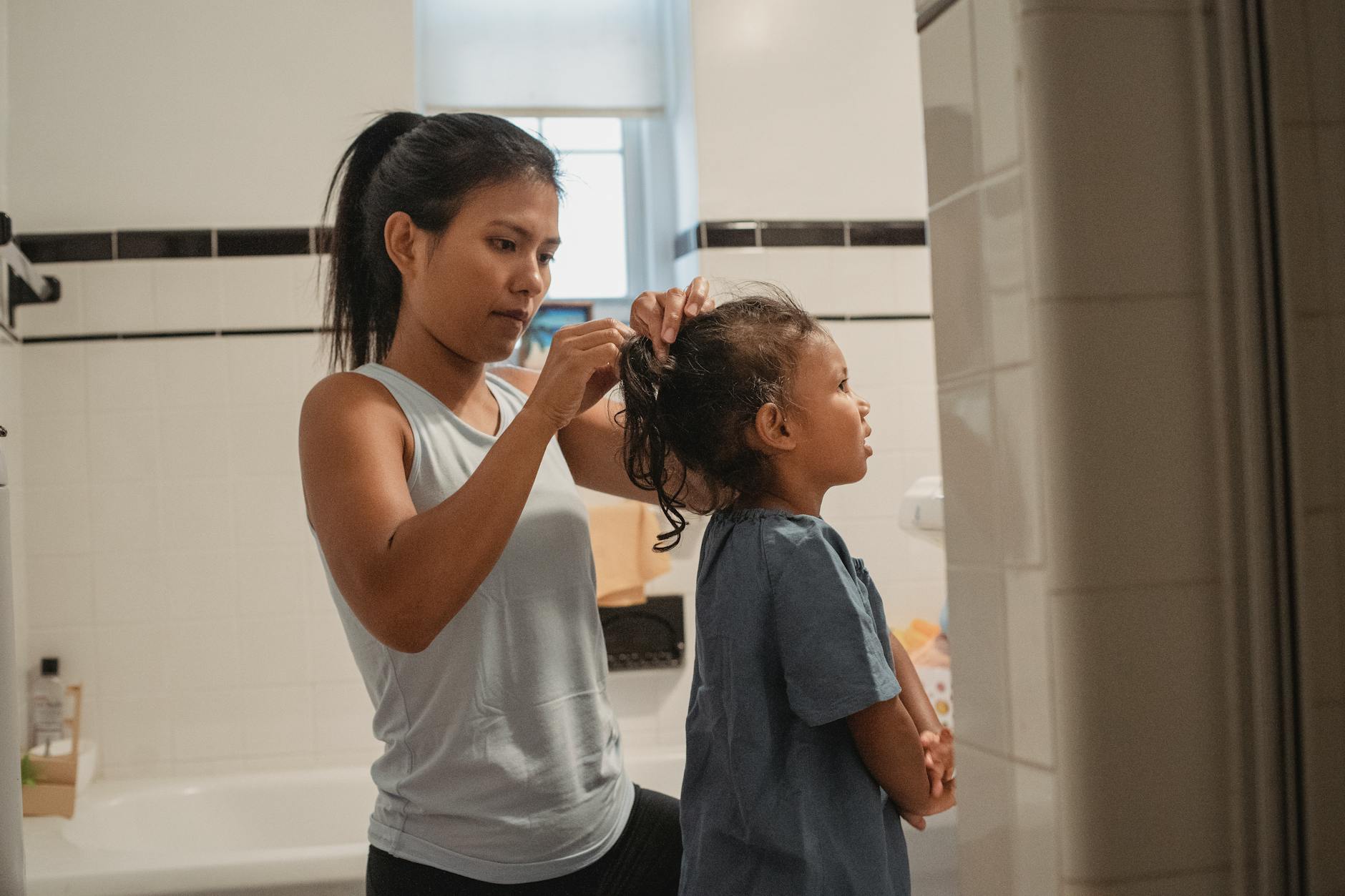
Welcoming a new baby is a whirlwind of joy, sleepless nights, and endless love. Amidst the beautiful chaos, many new mothers experience a common, yet often distressing, side effect: postpartum hair loss. It's a natural part of the recovery process, but that doesn't make it any easier to see your once-full mane thinning. This guide is here to help you understand why it happens and, more importantly, what you can do about it. We’ve consulted with dermatologists and experts to bring you practical, safe, and effective solutions for managing postpartum hair thinning and encouraging regrowth. Understanding Postpartum Hair Loss: The 'Why' Behind the Shedding During pregnancy, hormonal changes, particularly higher levels of estrogen, keep your hair in the growing phase for longer. This means you experience less shedding than usual, leading to thicker, fuller hair. After childbirth, your hormone levels drop significantly, causing a large number of hair follicles to enter the resting phase simultaneously. This results in increased shedding, typically starting a few months after delivery. This shedding phase is often called telogen effluvium. It's a temporary condition, and for most women, hair begins to regrow within 6 to 12 months postpartum. However, the emotional toll can be significant. Seeing clumps of hair in your brush or shower drain can be alarming, and it’s completely understandable to feel concerned. A common scenario many new moms face is stepping out for a much-needed hair wash, only to be confronted with a startling amount of hair in the drain. It’s a moment that can trigger anxiety, making one wonder if their hair will ever return to its former glory. Remember, you are not alone in this experience, and there are ways to support your hair's journey back to health. When Does Postpartum Hair Loss Start and How Long Does It Last? The shedding usually begins about 2 to 5 months after giving birth. The peak of hair loss can last for a few months, and then it gradually slows down. While it's temporary for most, the entire process of hair returning to its normal density can take up to a year or even longer. Factors like stress, nutrition, and overall health can influence the duration and severity of hair loss. Symptoms to Watch For The primary symptom is increased shedding. You might notice: More hair than usual on your hairbrush, in the shower drain, or on your pillow. Hair appearing thinner, especially around the hairline or part. A general feeling of reduced hair volume. Causes of Postpartum Hair Loss The main culprit is the significant drop in estrogen levels after delivery. Other contributing factors can include: Nutrient Deficiencies: Pregnancy and breastfeeding deplete your body's nutrient stores. Iron, vitamin D, and certain B vitamins are particularly important for hair health. Stress: The physical and emotional stress of childbirth and caring for a newborn can trigger telogen effluvium. Thyroid Issues: Sometimes, postpartum thyroiditis can occur, which can also lead to hair loss. Weight Loss: Rapid weight loss after pregnancy can sometimes contribute to hair thinning. Expert-Recommended Products for Postpartum Hair Regrowth While you can't stop postpartum hair loss entirely, you can take steps to support healthy regrowth and minimize breakage. Dermatologists recommend products that nourish the scalp, strengthen existing hair, and provide essential nutrients. Here are some top picks: 1. Best Supplement if You’re Breastfeeding: Nutrafol Postpartum Capsules Why it’s great: This supplement is specifically formulated for postpartum hair thinning. It contains a blend of natural ingredients like tocotrienol complex, marine collagen, shatavari, and DHA omega-3s, which help replenish the body and target stress, nutrient depletion, and hormonal fluctuations. It's designed to be safe for breastfeeding mothers. Key Ingredients: Theanine, shatavari, DHA omega-3s, tocotrienol complex, marine collagen with nettle and apple. How to use: Take as directed on the packaging, typically twice daily. Consistent use for several months is usually recommended for best results. Note: Always consult with your OB-GYN or a lactation specialist before starting any new supplement while breastfeeding. 2. Best Supplement if You’re Not Breastfeeding: Viviscal Hair Growth Supplement Why it’s great: Viviscal is a well-researched option known for its marine complex, vitamins, and minerals. It aims to nourish hair follicles from within. While it can take about 3 months to see noticeable results, reviewers often report improved hair thickness and growth. Key Ingredients: Biotin, folate, vitamin A, vitamin B12, a proprietary marine complex (shark cartilage, oyster extract powder), horsetail stem extract, millet seed extract. How to use: Typically taken twice daily for at least 3 to 6 months. It can be used alongside other volumizing hair products. Important: This supplement may not be suitable for those who are breastfeeding. Always consult your doctor before use. 3. Best Topical Treatment: Women’s Rogaine Unscented 5% Minoxidil Foam Why it’s great: Minoxidil is a proven ingredient for hair regrowth. This unscented foam is designed for women and can help reactivate hair follicles, leading to thicker and fuller hair over time. It's a direct treatment applied to the scalp. Active Ingredient: 5% Minoxidil. How to use: Apply directly to the scalp, focusing on thinning areas, once daily. Consistency is key; results typically appear after several months of regular use. Safety: While generally safe for postpartum use, it's always best to discuss with your doctor, especially if you have any underlying health conditions. 4. Best Hair Mask: Olaplex Hair Perfector No. 3 Why it’s great: While not a direct hair growth stimulant, Olaplex No. 3 is excellent for repairing and strengthening damaged hair bonds. Postpartum hair can become more prone to breakage due to hormonal changes and increased stress. This treatment helps to rebuild hair structure, making it feel stronger and look healthier. How to use: Apply to damp hair, leave on for at least 10 minutes (or longer), then rinse and follow with shampoo and conditioner. 5. Best Serum for Breakage Prevention: OGX Nourishing Coconut Milk Anti-Breakage Serum Why it’s great: This budget-friendly serum helps to moisturize and strengthen hair, reducing breakage and split ends. Coconut milk and other nourishing ingredients can improve hair's elasticity and overall health. How to use: Apply a small amount to towel-dried hair, focusing on mid-lengths and ends. Do not rinse. 6. Best Conditioner for Volume: John Frieda Volume Lift Weightless Conditioner Why it’s great: For thinning hair, volume is key. This conditioner is designed to add lift and body without weighing hair down, making it appear fuller and thicker. It gently moisturizes while enhancing volume. How to use: Apply after shampooing, focusing on the lengths and ends. Rinse thoroughly. 7. Best Shampoo for Scalp Health: Head & Shoulders Classic Clean Dandruff Shampoo Why it’s great: A healthy scalp is the foundation for healthy hair growth. This classic shampoo effectively treats dandruff and keeps the scalp clean and balanced, which can be beneficial for supporting hair regrowth. It’s a reliable drugstore option. How to use: Use as you would your regular shampoo, lathering and rinsing well. For best results, use regularly. Tips for Managing Postpartum Hair Loss Beyond using specific products, several lifestyle adjustments can support your hair's recovery: Eat a Balanced Diet: Ensure you're consuming enough protein, iron, zinc, biotin, and other essential vitamins and minerals. Include plenty of fruits, vegetables, lean proteins, and whole grains. Manage Stress: Practice stress-reducing techniques like deep breathing, meditation, gentle exercise, or seeking support from your partner, family, or friends. Be Gentle with Your Hair: Avoid tight hairstyles, harsh brushing, and excessive heat styling. Use a wide-tooth comb to detangle gently, starting from the ends. Consider Scalp Massage: Gently massaging your scalp can improve blood circulation, which may help stimulate hair follicles. When to Consult a Doctor While postpartum hair loss is usually temporary, it's wise to consult your doctor or a dermatologist if: Your hair loss is sudden or patchy. You experience bald spots. Your scalp is itchy, painful, or shows signs of infection. The hair loss continues excessively beyond a year postpartum. You suspect a thyroid issue or significant nutrient deficiency. A doctor can help rule out other underlying causes and recommend the most appropriate treatment plan for your specific situation. FAQ Section Q1: Is postpartum hair loss normal? A1: Yes, postpartum hair loss is very common and considered a normal physiological response to the hormonal shifts after childbirth. Q2: Can I prevent postpartum hair loss? A2: You cannot entirely prevent the hormonal shedding, but you can support your hair's health and encourage faster regrowth by maintaining good nutrition, managing stress, and using gentle hair care practices. Q3: How long does it take for hair to grow back after postpartum shedding? A3: For most women, hair begins to regrow within 6 to 12 months after the shedding phase starts, and it can take up to a year or more for hair to return to its previous thickness. Q4: Are hair growth supplements safe while breastfeeding? A4: Some supplements are formulated to be safe for breastfeeding mothers, like Nutrafol Postpartum. However, it is essential to consult your OB-GYN or a lactation consultant before taking any supplement while breastfeeding to ensure
In summary, timely diagnosis, evidence-based treatment, and prevention-focused care improve long-term health outcomes.
Visit Hospital
Near You

Going past your due date can feel like being stuck in a waiting room with no clock. This guide walks you through what actually happens during monitoring after due date pregnancy — the tests, the decisions, and the emotions nobody really prepares you for.
May 20, 2026
Going past your due date can feel like being stuck in a waiting room with no clock. This guide walks you through what actually happens during monitoring after due date pregnancy — the tests, the decisions, and the emotions nobody really prepares you for.
May 20, 2026

If you’re close to your due date and feeling stuck in waiting mode, this breaks down induction of labor methods in a way that actually makes sense. No jargon, no fluff—just what works, what doesn’t, and what it really feels like from a human perspective.
May 20, 2026