

Emergency & Help
24/7 Emergency & General Advisory
🚨 24/7 Medical Emergency
Non-Emergency Advisory
10:00 AM – 6:00 PM, Mon–Sat
For appointments & general queries.
24/7 Emergency & General Advisory
🚨 24/7 Medical Emergency
Non-Emergency Advisory
10:00 AM – 6:00 PM, Mon–Sat
For appointments & general queries.
Stay updated with our latest healthcare news and your appointments.
Learn about postprandial hyperglycemia in pregnancy: high blood sugar after meals. Discover symptoms, causes, diagnosis, and essential treatment and prevention strategies to ensure a healthy pregnancy for both mother and baby. Understand its link to gestational diabetes and when to seek medical advice.

Pregnancy is a remarkable journey filled with incredible changes, but it also brings unique health considerations. One such concern is postprandial hyperglycemia, which refers to elevated blood glucose levels occurring after meals. While some fluctuation in blood sugar is normal, persistent or significant postprandial hyperglycemia during pregnancy can pose risks to both the expectant mother and her developing baby. This comprehensive guide from Doctar aims to demystify postprandial hyperglycemia, explaining its causes, symptoms, diagnosis, treatment, and prevention strategies to help you achieve a healthier pregnancy outcome.
Understanding and managing your blood sugar levels, especially after eating, is crucial. This condition is often a key indicator or component of gestational diabetes mellitus (GDM), a type of diabetes that develops or is first diagnosed during pregnancy. Even in women with pre-existing diabetes, achieving optimal post-meal glucose control is paramount. By providing you with accurate, evidence-based information, we hope to empower you to work closely with your healthcare team for effective management and a smooth pregnancy journey.
Postprandial hyperglycemia literally means "high blood sugar after a meal." When you eat, particularly foods rich in carbohydrates, your digestive system breaks them down into glucose (sugar), which then enters your bloodstream. In a healthy individual, the pancreas releases insulin, a hormone that helps glucose move from the blood into cells for energy or storage, thereby keeping blood sugar levels within a narrow, healthy range. However, when there's an issue with insulin production or sensitivity, blood glucose levels can rise excessively after a meal and remain elevated for an extended period.
During pregnancy, normal blood glucose targets are typically stricter than for non-pregnant individuals. Generally, a postprandial glucose level above 140 mg/dL (7.8 mmol/L) one hour after a meal or above 120 mg/dL (6.7 mmol/L) two hours after a meal is considered hyperglycemic in pregnancy, though specific targets may vary based on individual circumstances and your doctor's recommendations.
The maternal environment directly impacts fetal development. Sustained high blood sugar levels, even for short periods after meals, can have significant adverse effects:
One of the challenging aspects of postprandial hyperglycemia, especially in its early stages during pregnancy, is that it often presents with no noticeable symptoms. Many women only discover they have elevated blood sugar during routine screening tests for gestational diabetes. However, when blood sugar levels are significantly high or consistently elevated, some symptoms might appear:
It's important to remember that many of these symptoms can also be common discomforts of pregnancy. Therefore, relying solely on symptoms is not an effective way to diagnose postprandial hyperglycemia or gestational diabetes. Regular prenatal care and screening are essential for early detection.
The development of postprandial hyperglycemia during pregnancy is a complex interplay of hormonal changes, genetic predispositions, and lifestyle factors.
Pregnancy itself creates a state of insulin resistance, particularly in the second and third trimesters. This is a natural adaptation designed to ensure a steady supply of glucose to the growing fetus. Key hormones involved include:
As insulin resistance increases, the mother's pancreas must produce more insulin to maintain normal blood sugar levels. If the pancreas cannot produce enough extra insulin to overcome this resistance, blood glucose levels, especially after meals, will rise, leading to postprandial hyperglycemia and potentially gestational diabetes.
Postprandial hyperglycemia is a defining characteristic of GDM. GDM occurs when the body can't produce enough insulin to handle the increased demands of pregnancy, leading to high blood sugar. It typically develops around the 24th to 28th week of pregnancy but can occur earlier or later. While GDM usually resolves after childbirth, it significantly increases the mother's risk of developing type 2 diabetes later in life and poses risks to the baby.
For women who enter pregnancy with pre-existing type 1 or type 2 diabetes, managing postprandial blood sugar is a continuous challenge. Pregnancy dramatically increases insulin requirements, often necessitating significant adjustments to medication dosages and dietary plans. Poorly controlled pre-existing diabetes, particularly with high post-meal sugars, carries even greater risks than GDM for both mother and baby, making strict glucose control paramount from conception.
The types and quantities of food consumed play a direct role in postprandial glucose levels:
Several other factors can increase a woman's susceptibility to postprandial hyperglycemia and GDM:
Early and accurate diagnosis of postprandial hyperglycemia is crucial for timely intervention and to mitigate potential risks. This typically involves a combination of routine screening, self-monitoring, and sometimes advanced monitoring technologies.
Most pregnant women undergo screening for gestational diabetes, which indirectly detects a propensity for postprandial hyperglycemia. The standard screening tests are:
Once diagnosed with GDM or if your doctor suspects PPHG, self-monitoring blood glucose (SMBG) at home becomes an indispensable tool. You'll use a glucometer to prick your finger and get a blood sample. Your doctor or diabetes educator will instruct you on when and how often to test, which typically includes:
Target blood glucose ranges during pregnancy are generally stricter:
Keeping a log of your readings helps your healthcare team assess your glucose control and make necessary adjustments to your treatment plan.
For some women, particularly those with pre-existing diabetes or those struggling to achieve optimal control with SMBG, a continuous glucose monitor (CGM) may be recommended. A CGM device is worn on the skin (usually on the arm or abdomen) and measures interstitial glucose levels every few minutes, providing a comprehensive picture of glucose trends throughout the day and night. This can be invaluable for identifying patterns of postprandial spikes that might be missed with intermittent finger-prick tests, helping to fine-tune diet, exercise, and medication.
While HbA1c provides an average blood glucose level over the past 2-3 months, its utility for monitoring short-term postprandial hyperglycemia in pregnancy is limited. Pregnancy can affect red blood cell turnover, potentially altering HbA1c values. However, it can still be used as an initial assessment tool for women with pre-existing diabetes or to confirm long-term control.
The primary goal of treating postprandial hyperglycemia in pregnancy is to keep blood glucose levels within the target range to minimize risks to both mother and baby. Treatment typically begins with lifestyle modifications and progresses to medication if necessary.
Dietary changes are the cornerstone of managing postprandial hyperglycemia. Working with a registered dietitian (RD) or a certified diabetes educator (CDE) is highly recommended to develop a personalized meal plan.
Moderate physical activity is highly beneficial for managing blood sugar during pregnancy, provided there are no contraindications from your doctor.
If lifestyle modifications alone are not sufficient to keep blood glucose levels within target ranges, medication may be necessary.
Any medication for managing postprandial hyperglycemia in pregnancy must be prescribed and closely monitored by your healthcare provider. Self-medication is extremely dangerous.
While some risk factors for postprandial hyperglycemia and GDM are beyond your control (like genetics), many preventive strategies can significantly reduce your risk or help manage the condition if it develops.
It is essential to maintain open communication with your healthcare provider throughout your pregnancy. You should contact your doctor or healthcare team if:
Remember, regular scheduled prenatal appointments are crucial for monitoring your health and that of your baby, including screening for and managing postprandial hyperglycemia.
A: Yes, persistent high blood sugar after meals can significantly impact your baby. It increases the risk of macrosomia (large baby), which can lead to birth injuries and C-sections. It also raises the risk of neonatal hypoglycemia (low blood sugar) in the baby after birth, respiratory distress syndrome, and a higher lifetime risk of obesity and type 2 diabetes for your child.
A: Postprandial hyperglycemia is a key characteristic and often a diagnostic criterion for gestational diabetes (GDM). GDM is the broader condition of glucose intolerance that develops during pregnancy, and elevated blood sugar levels after meals are a primary manifestation of it. So, while not exactly the same, they are intricately linked, with PPHG being a significant indicator of GDM.
A: General target ranges for blood sugar during pregnancy are usually:
Your doctor will provide specific targets tailored to your individual needs.
A: While gestational diabetes and postprandial hyperglycemia typically resolve after childbirth, having had them significantly increases your risk of developing type 2 diabetes later in life. It's crucial to get retested for diabetes 6-12 weeks postpartum and to continue monitoring your health with your doctor annually. Maintaining a healthy lifestyle after pregnancy can help reduce this long-term risk.
A: Absolutely! Carbohydrates are an essential source of energy for you and your baby. The key is to choose the right types and quantities of carbohydrates. Focus on complex carbohydrates (whole grains, vegetables, legumes) that are rich in fiber, and distribute your carbohydrate intake throughout the day in moderate portions. Avoid refined sugars and simple carbohydrates that cause rapid spikes in blood sugar. A registered dietitian can help you create a personalized meal plan.
Postprandial hyperglycemia during pregnancy is a significant health concern that requires careful attention and management. While the prospect of managing blood sugar levels can seem daunting, understanding the condition, its potential risks, and available treatment options empowers expectant mothers to take proactive steps towards a healthier pregnancy. Through diligent self-monitoring, adherence to medical nutrition therapy, regular physical activity, and, if necessary, medication, it is entirely possible to achieve optimal glucose control.
Remember that you are not alone in this journey. Collaborate closely with your healthcare team – your obstetrician, endocrinologist, registered dietitian, and diabetes educator – to develop a personalized care plan. By working together, you can effectively manage postprandial hyperglycemia, minimize risks, and pave the way for a healthy mother and a thriving baby. Your commitment to managing this condition is a profound investment in the future well-being of your family.
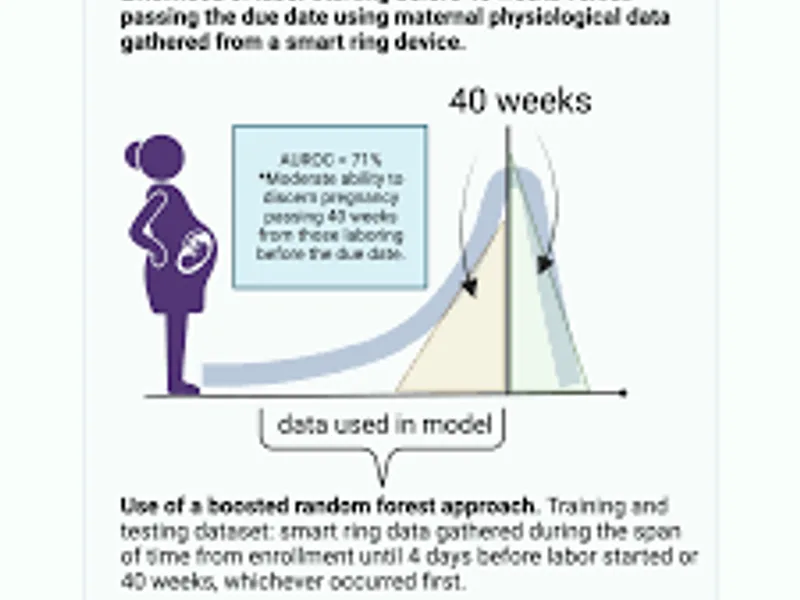
Going past your due date can feel like being stuck in a waiting room with no clock. This guide walks you through what actually happens during monitoring after due date pregnancy — the tests, the decisions, and the emotions nobody really prepares you for.
May 20, 2026
Going past your due date can feel like being stuck in a waiting room with no clock. This guide walks you through what actually happens during monitoring after due date pregnancy — the tests, the decisions, and the emotions nobody really prepares you for.
May 20, 2026
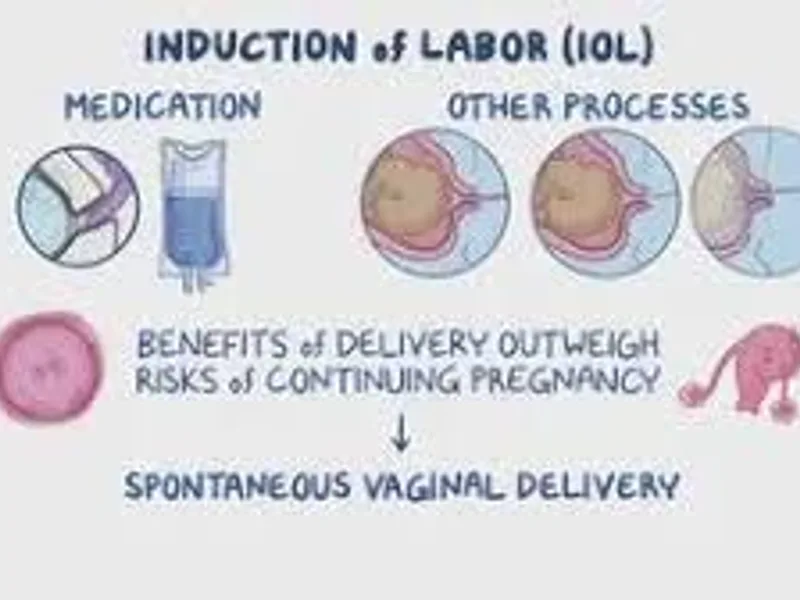
If you’re close to your due date and feeling stuck in waiting mode, this breaks down induction of labor methods in a way that actually makes sense. No jargon, no fluff—just what works, what doesn’t, and what it really feels like from a human perspective.
May 20, 2026