

Emergency & Help
24/7 Emergency & General Advisory
🚨 24/7 Medical Emergency
Non-Emergency Advisory
10:00 AM – 6:00 PM, Mon–Sat
For appointments & general queries.
24/7 Emergency & General Advisory
🚨 24/7 Medical Emergency
Non-Emergency Advisory
10:00 AM – 6:00 PM, Mon–Sat
For appointments & general queries.
Explore common symptoms, baby's development, and practical coping strategies for the 9th week of pregnancy, tailored for Indian readers. Get expert tips on managing nausea, fatigue, and mood swings.

The ninth week of pregnancy marks a significant milestone, often bringing a surge in those early pregnancy symptoms you’ve started to recognise. While your baby is growing rapidly, developing major organs and tiny features, you might be feeling the effects more intensely. This period is characterised by high levels of the pregnancy hormone hCG, which contributes to heightened nausea, fatigue, and emotional shifts. But remember, every pregnancy journey is unique. Some individuals experience these symptoms intensely, while others might have a milder experience. This guide aims to provide clear, practical advice for expectant mothers in India navigating week 9, covering common symptoms, how to manage them, and what’s happening with your developing baby.
At 9 weeks, your body is undergoing substantial changes to support your growing baby. While you might not be showing a visible baby bump to the outside world, you'll likely feel internal shifts. Your uterus is expanding, growing to accommodate your little one, which can lead to a firmer sensation in your lower abdomen. This growth, combined with hormonal influences, can also cause bloating, making your clothes feel a bit tighter than usual. It’s not uncommon to find your favourite jeans a little snug around the waistline!
Your breasts continue their transformation. Hormones are at play, making them feel fuller, more sensitive, and possibly sore. You might also notice that your nipples are becoming darker. Increased blood volume, essential for delivering nutrients to your baby, can make your veins appear more prominent, especially on your breasts and abdomen.
Week 9 often sees pregnancy symptoms reaching their peak. Here’s a breakdown of what you might experience and practical tips for managing them:
This is perhaps the most notorious symptom. While called “morning sickness,” it can strike at any time of day. The high hCG levels are a primary culprit. If you’re finding it hard to keep food down or feeling constantly queasy, try these strategies:
Real-life scenario: Priya, 30, shared that the smell of cooking onions in her kitchen would trigger intense nausea. She started asking her husband to cook dinner and kept a small bag of plain biscuits by her bedside to eat before even getting out of bed.
Feeling utterly exhausted is common. Your body is working overtime to support the pregnancy. Coupled with potential sleep disturbances from discomfort or frequent urination, fatigue can be overwhelming. Prioritise rest whenever possible. Short naps during the day can make a difference. Try to maintain a consistent sleep schedule and create a relaxing bedtime routine.
The hormonal rollercoaster can lead to unpredictable emotional shifts. You might feel happy and excited one moment, and tearful or irritable the next. It’s important to be kind to yourself and communicate your feelings to your partner or a trusted friend. Gentle exercise and mindfulness practices can also help regulate emotions.
You might find yourself suddenly craving certain foods or developing a strong dislike for others. Listen to your body, but try to make nutritious choices when possible. If a particular food aversio
Despite the intense symptoms you might be experiencing, your baby is undergoing remarkable development. At 9 weeks, your little one is approximately 3/4-inch long, about the size of a grape or an olive. This stage is critical for organ development. Major organs like the heart, brain, kidneys, and intestines are continuing to form and mature. The tiny limbs are growing longer, and the arms can now bend at the elbows. Those little fingers and toes are becoming more distinct, and the ears and eyelids, which began forming earlier, continue to develop.
Your baby is also becoming more active, though you won't be able to feel these movements yet. In some cases, a healthcare provider might be able to detect the baby's heartbeat using a handheld Doppler ultrasound around this time. This is an exciting indicator of your baby's growth and development.
While most pregnancies proceed smoothly, it's essential to be aware of potential issues and know when to consult your doctor. Severe morning sickness, known as hyperemesis gravidarum, requires medical attention. If you are unable to keep any food or fluids down, experiencing significant weight loss, or showing signs of dehydration (like dark urine or dizziness), contact your healthcare provider immediately. They can offer treatments, including medications if necessary.
If you are carrying multiples (twins, triplets, etc.), your healthcare provider will monitor you closely for specific complications like intrauterine growth restriction (delayed fetal growth) or twin-to-twin transfusion syndrome. If you have concerns about your pregnancy, including significant discomfort, unusual bleeding, or any worries about your mental health, don't hesitate to reach out to your doctor or midwife.
Discovering you're carrying twins or more can be incredibly exciting! However, pregnancies with multiples often come with a higher likelihood of certain complications and may involve more intense pregnancy symptoms compared to singleton pregnancies. If you suspect you might be carrying more than one baby, or if your symptoms feel unusually severe, discuss this with your healthcare provider. They can perform ultrasounds to confirm and discuss the necessary care adjustments.
Beyond managing specific symptoms, focus on overall well-being:
Most pregnancy symptoms, especially nausea and fatigue, tend to gradually improve as you enter the second trimester, typically around weeks 12-14. The hCG hormone levels start to stabilise, bringing some relief.
No, at 9 weeks, your baby is still too small for you to feel their movements. These first flutters, often called “quickening,” usually become noticeable between 16 and 25 weeks of pregnancy.
Yes, a metallic taste (dysgeusia) is a common pregnancy symptom, often caused by hormonal changes. It usually subsides as pregnancy progresses.
Every pregnancy is different. Some individuals experience very mild or even no noticeable symptoms. If you are concerned, it's always best to discuss it with your doctor. They can confirm everything is progressing as expected.
To manage heartburn, try eating smaller meals, avoiding trigger foods (like spicy or fatty foods), staying upright after eating, and sleeping with your head elevated. Your doctor may also recommend safe antacids.
Visit Hospital
Near You
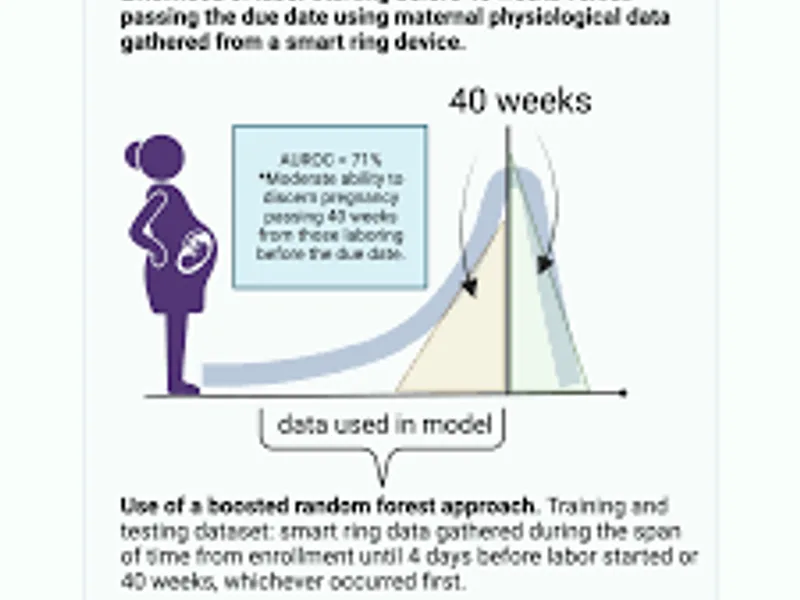
Going past your due date can feel like being stuck in a waiting room with no clock. This guide walks you through what actually happens during monitoring after due date pregnancy — the tests, the decisions, and the emotions nobody really prepares you for.
May 20, 2026
Going past your due date can feel like being stuck in a waiting room with no clock. This guide walks you through what actually happens during monitoring after due date pregnancy — the tests, the decisions, and the emotions nobody really prepares you for.
May 20, 2026
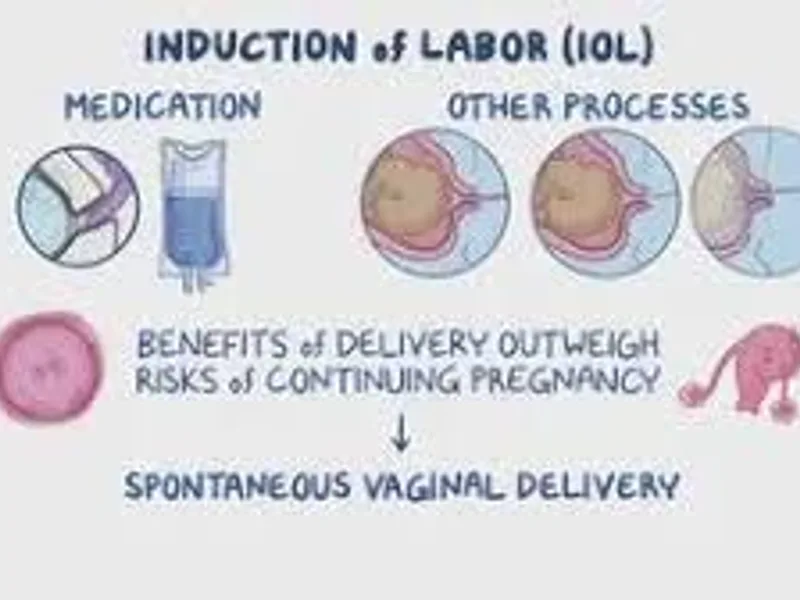
If you’re close to your due date and feeling stuck in waiting mode, this breaks down induction of labor methods in a way that actually makes sense. No jargon, no fluff—just what works, what doesn’t, and what it really feels like from a human perspective.
May 20, 2026