

Emergency & Help
24/7 Emergency & General Advisory
🚨 24/7 Medical Emergency
Non-Emergency Advisory
10:00 AM – 6:00 PM, Mon–Sat
For appointments & general queries.
24/7 Emergency & General Advisory
🚨 24/7 Medical Emergency
Non-Emergency Advisory
10:00 AM – 6:00 PM, Mon–Sat
For appointments & general queries.
Explore how miscarriage can impact your relationship, understand the complexities of grief, and discover strategies for healing and strengthening your bond as a couple.

The joy of expecting a child is often accompanied by dreams and plans for the future. However, for many couples, this hopeful journey takes an unexpected and heart-wrenching turn with a miscarriage. This loss, which affects about 10 percent of known pregnancies in the first trimester, is not just a physical event but a profound emotional one. It can be devastating, leaving both partners grappling with grief, confusion, and uncertainty. While the physical recovery is important, the emotional impact on the relationship can be equally challenging, and sometimes, even more so. It's a time when couples must navigate uncharted emotional territory together, and the way they do so can significantly shape their future. Understanding the Weight of Miscarriage A miscarriage is the loss of a pregnancy before the 20th week. For many, it feels like losing a child they have already bonded with, even in the early stages. The dreams of a future family, the nursery preparations, the anticipation – all are abruptly shattered. This loss can trigger a complex mix of emotions, including sadness, anger, guilt, and profound emptiness. It's natural to feel overwhelmed, and it's important to remember that your feelings are valid, whatever they may be. The statistics can be stark. Studies have indicated that couples who experience a miscarriage are at a higher risk of separation compared to those who have a healthy birth. One study found that married or cohabitating couples who had a miscarriage were 22 percent more likely to break up. For those who experienced a stillbirth, this figure rose to 40 percent. These numbers aren't meant to instill fear, but rather to highlight the significant strain a pregnancy loss can place on a relationship. It underscores the importance of acknowledging and addressing the emotional aftermath. The Complexities of Grief After Miscarriage Grief is rarely a linear process, and when it stems from a miscarriage, it can become even more complicated. Each partner may grieve differently, leading to misunderstandings and feelings of isolation. Some individuals might withdraw, needing space to process their emotions internally. Others may seek distraction, trying to keep their minds busy to avoid confronting the pain. There's also the common tendency to get stuck in 'what-if' scenarios, questioning if something could have been done differently. Common worries include: 'Will I ever be able to have a child?' or 'Did I do something to cause this?' These anxieties, if left unaddressed, can create friction. Another frequent source of distress is the perceived difference in grieving styles between partners. One partner might appear more outwardly devastated, while the other seems to be coping more stoically. This disparity doesn't necessarily mean one partner cares less; it often reflects different coping mechanisms and individual emotional processing. Common Emotional Responses and Their Impact: Sadness and Depression: A pervasive sense of sorrow can affect daily life, impacting mood, energy levels, and interest in activities. Guilt and Self-Blame: Many women may blame themselves, wondering if their actions or health contributed to the loss. This can be incredibly isolating. Anger and Frustration: Anger can be directed at oneself, the partner, the medical system, or even at the unfairness of life. Anxiety and Fear: Future pregnancy concerns, fear of another loss, or general anxiety about the relationship's stability are common. Numbness or Disbelief: Some may experience a sense of detachment or shock as a way to cope with overwhelming emotions. When these emotions are not shared or understood, they can create a chasm between partners. One partner might feel unsupported, while the other feels inadequate or unsure how to help. When Partners Drift Apart: The Communication Breakdown A significant factor in relationship strain after miscarriage is a breakdown in communication. When partners aren't on the same page emotionally, or when one partner struggles to express their needs and the other struggles to understand them, distance can grow. A partner who isn't sure how to comfort or fix the situation might inadvertently avoid the topic altogether, leading the grieving partner to feel abandoned. Consider this scenario: Priya is devastated after her miscarriage. She longs for her partner, Rohan, to hold her and acknowledge her pain. Rohan, however, feels helpless and unsure of what to say. He tries to distract her by suggesting a movie, hoping to cheer her up. Priya interprets this as Rohan not understanding or caring about her grief, leading to unspoken resentment and emotional withdrawal. This is a common dynamic. The partner experiencing the physical loss may feel an intense need for validation and emotional support, while the other partner might be processing their grief internally or trying to be strong for their loved one. Without open dialogue, these differing approaches can lead to misunderstandings and a growing sense of loneliness within the relationship. Can a Relationship Survive and Thrive After Miscarriage? Absolutely. While the statistics can be concerning, a miscarriage does not have to signal the end of a relationship. In fact, for many couples, navigating this difficult experience together can lead to a stronger, more resilient bond. The key lies in intentional effort, open communication, and mutual support. Strategies for Healing Together: Prioritize Open and Honest Communication: Create a safe space where both partners can express their feelings without judgment. Talk about your fears, your sadness, and what you need from each other. It’s okay to say, “I need a hug” or “I’m not ready to talk about it right now.” Acknowledge Each Other's Grief: Recognize that grief is individual. Validate your partner's feelings, even if they differ from your own. Say things like, “I see how much this is hurting you,” or “It’s okay to be angry.” Seek Support Together: Consider couples counseling or therapy. A professional can provide tools and strategies for navigating grief as a couple and improving communication. Support groups for those who have experienced pregnancy loss can also be invaluable. Allow for Physical and Emotional Intimacy: Intimacy might feel difficult after a miscarriage. Be patient with each other. Focus on non-sexual touch, comfort, and emotional closeness. Discuss when and how you might feel ready to resume sexual intimacy. Remember and Honor the Loss: Some couples find comfort in creating rituals or memorials to acknowledge the pregnancy and the loss. This could be planting a tree, lighting a candle, or creating a memory box. Be Patient with Yourselves and Each Other: Healing takes time. There will be good days and bad days. Celebrate small victories and offer grace during difficult moments. Michelle L., who experienced a miscarriage, shared, “It was rough, but my hubby and I chose to grow from it together. Just because it was physically my body going through it didn’t mean we both didn’t feel the pain, heartache, and loss. It was his baby too.” This perspective highlights the power of shared experience and mutual acknowledgment. When to Seek Professional Help While couples can often navigate this journey with mutual support, there are times when professional intervention is necessary. If you find yourselves: Constantly arguing or unable to resolve conflicts. Experiencing prolonged periods of depression or anxiety that interfere with daily life. Feeling emotionally disconnected and unable to communicate effectively. Having thoughts of self-harm or harming your partner. It is vital to seek help from a therapist, counselor, or doctor. Mental health professionals specializing in grief and loss, or couples therapy, can provide a safe and structured environment to work through these challenges. Moving Forward, Together A miscarriage is a deeply personal and often traumatic experience that can profoundly impact a relationship. The journey through grief is unique for every couple, but with open communication, empathy, patience, and a willingness to support each other, it is possible not only to survive this loss but to emerge with a stronger, more profound connection. Remember, you are not alone in this, and seeking help is a sign of strength, not weakness. Frequently Asked Questions (FAQ) Q1: How long does grief after a miscarriage typically last? There is no set timeline for grief. It can last weeks, months, or even years. The intensity of emotions may lessen over time, but the memory of the loss remains. Focus on healing at your own pace. Q2: Is it normal for partners to grieve differently? Yes, it is very normal. People process loss in unique ways based on their personality, experiences, and coping mechanisms. Open communication is key to understanding and respecting these differences. Q3: Can a miscarriage affect a woman's desire for intimacy? Yes, it often does. Physical and emotional changes, along with grief and fear, can impact libido and comfort with intimacy. It's important to communicate openly with your partner about these feelings and take things at a pace that feels comfortable for both. Q4: What if my partner seems unaffected by the miscarriage? It's possible they are grieving internally or have different coping mechanisms. Gently encourage them to share their feelings, and try to understand their perspective. If communication remains difficult, consider professional guidance. Q5: When should we consider professional counseling? If you are struggling to communicate, experiencing prolonged distress, or
In summary, timely diagnosis, evidence-based treatment, and prevention-focused care improve long-term health outcomes.
Visit Hospital
Near You
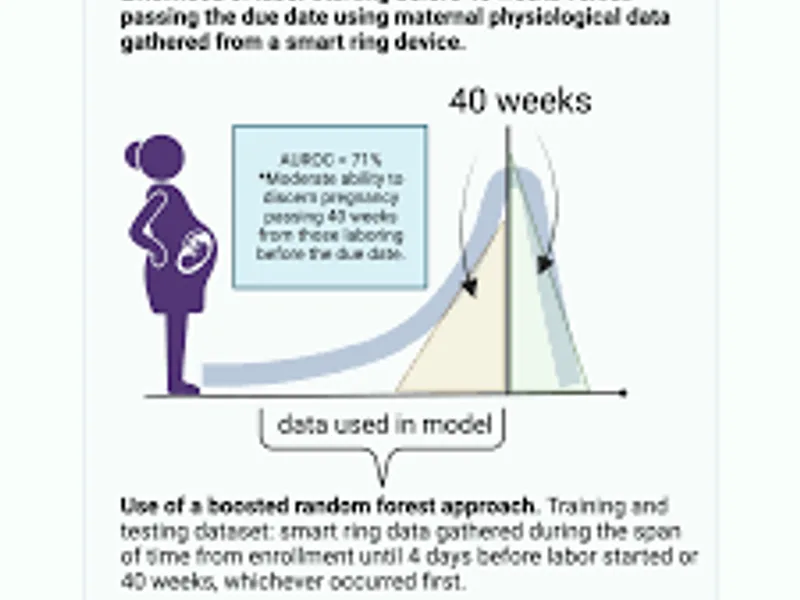
Going past your due date can feel like being stuck in a waiting room with no clock. This guide walks you through what actually happens during monitoring after due date pregnancy — the tests, the decisions, and the emotions nobody really prepares you for.
May 20, 2026
Going past your due date can feel like being stuck in a waiting room with no clock. This guide walks you through what actually happens during monitoring after due date pregnancy — the tests, the decisions, and the emotions nobody really prepares you for.
May 20, 2026
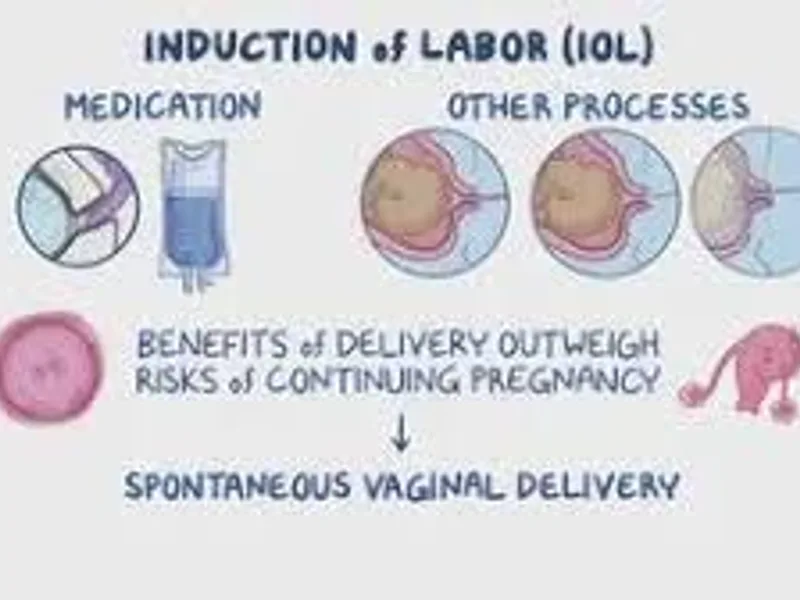
If you’re close to your due date and feeling stuck in waiting mode, this breaks down induction of labor methods in a way that actually makes sense. No jargon, no fluff—just what works, what doesn’t, and what it really feels like from a human perspective.
May 20, 2026