

Emergency & Help
24/7 Emergency & General Advisory
🚨 24/7 Medical Emergency
Non-Emergency Advisory
10:00 AM – 6:00 PM, Mon–Sat
For appointments & general queries.
24/7 Emergency & General Advisory
🚨 24/7 Medical Emergency
Non-Emergency Advisory
10:00 AM – 6:00 PM, Mon–Sat
For appointments & general queries.
Discover the 'fourth trimester,' the crucial first 12 weeks postpartum. Learn what to expect for your baby's development and your own recovery, with practical tips for a smoother transition.

Congratulations on your new arrival! Bringing a baby home is a joyous occasion, but it also marks the beginning of a significant transition for both you and your little one. This period, often referred to as the 'fourth trimester,' spans the first 12 weeks after birth. It's a time of immense adjustment, where your baby learns to navigate the outside world, and you learn to care for a newborn. Understanding this phase can make it much smoother for everyone.
The concept of the fourth trimester, popularized by pediatrician Dr. Harvey Karp, suggests that human babies are born relatively immature. Think of your newborn as a 'fetal being' outside the womb for these initial months. Their nervous system and brain are still developing rapidly, and they rely heavily on you for comfort and security, mimicking the womb environment as much as possible.
Pregnancy is typically divided into three trimesters. The fourth trimester extends this concept into the postpartum period. It acknowledges that the transition from womb to world is profound and requires a dedicated period of adaptation. Your baby needs time to adjust to new sensations like light, sound, hunger, and touch. Simultaneously, you are recovering from childbirth, managing hormonal shifts, and learning the intricate art of newborn care.
During these first 12 weeks, your baby will undergo remarkable development:
The fourth trimester is equally demanding for parents. Your body is healing, and your emotional landscape is in flux due to hormonal changes. Sleep deprivation is a significant challenge, impacting your energy levels and cognitive function. It's common to feel overwhelmed as you learn to interpret your baby's cues – distinguishing cries of hunger from those of discomfort or the need for a diaper change.
Consider this common scenario: A new mother is exhausted, having been up several times during the night. Her baby is crying, and she’s unsure if it’s hunger, a wet diaper, or just a need to be held. She feels a pang of guilt, wondering if she’s doing everything right. This feeling is incredibly normal. Your instincts will sharpen over time.
Key aspects of your experience include:
Making the fourth trimester manageable involves a combination of understanding, preparation, and self-care:
While the fourth trimester is challenging, certain signs warrant a call to your healthcare provider:
The fourth trimester is a period of profound change, but it's also a beautiful time for bonding and growth. By understanding what to expect and implementing supportive strategies, you can navigate this phase with more confidence and joy. Remember, you are not alone, and seeking help is a sign of strength.
Visit Hospital
Near You

Going past your due date can feel like being stuck in a waiting room with no clock. This guide walks you through what actually happens during monitoring after due date pregnancy — the tests, the decisions, and the emotions nobody really prepares you for.
May 20, 2026
Going past your due date can feel like being stuck in a waiting room with no clock. This guide walks you through what actually happens during monitoring after due date pregnancy — the tests, the decisions, and the emotions nobody really prepares you for.
May 20, 2026
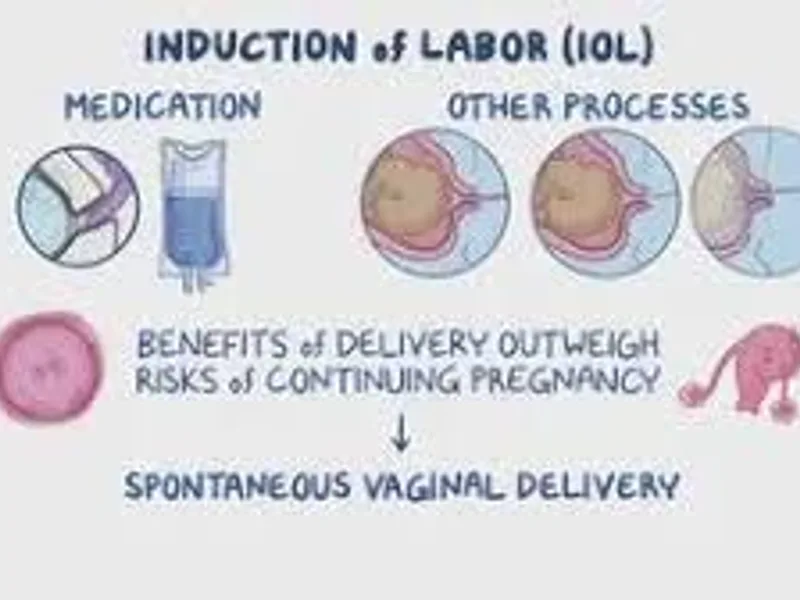
If you’re close to your due date and feeling stuck in waiting mode, this breaks down induction of labor methods in a way that actually makes sense. No jargon, no fluff—just what works, what doesn’t, and what it really feels like from a human perspective.
May 20, 2026