

Emergency & Help
24/7 Emergency & General Advisory
🚨 24/7 Medical Emergency
Non-Emergency Advisory
10:00 AM – 6:00 PM, Mon–Sat
For appointments & general queries.
24/7 Emergency & General Advisory
🚨 24/7 Medical Emergency
Non-Emergency Advisory
10:00 AM – 6:00 PM, Mon–Sat
For appointments & general queries.
Pregnant and dealing with a stomach bug? Learn about symptoms, risks to your baby, safe home care, and when to seek medical help. Practical advice for expectant mothers in India.

Experiencing a stomach bug while pregnant can be unsettling. The nausea, vomiting, and diarrhea associated with gastroenteritis, commonly known as the stomach flu, can feel especially concerning when you're carrying a little one. You might wonder if these symptoms pose a risk to your developing baby or if your body can handle the illness. The good news is that most stomach viruses are short-lived and mild, and with proper care, both you and your baby will likely be just fine. However, it's essential to be informed about what to expect, how to manage symptoms, and when to seek medical attention. This guide aims to provide clear, practical advice for expectant mothers in India navigating a stomach bug.
The term 'stomach flu' is a bit of a misnomer; it's not caused by the influenza virus. Instead, it's typically caused by other viruses, such as norovirus or rotavirus. These viruses are highly contagious and can spread rapidly, especially in environments where people are in close contact, like households with young children. Symptoms can appear surprisingly quickly, often within 12 to 48 hours of exposure, and you are contagious from the moment symptoms begin.
Pregnancy does bring about changes in your body, including a slightly altered immune system. While your body is remarkably adept at protecting your developing baby, it's still important to be mindful of any illness. The first trimester is a critical period for your baby's development, with vital organs like the heart and brain forming. Even a seemingly mild illness can feel more worrying during this time.
A common scenario many Indian families face is a child bringing home a bug from school or daycare. Suddenly, the whole household is dealing with upset stomachs. For an expectant mother, this means extra vigilance to avoid catching the virus and managing symptoms if she does fall ill.
The symptoms of a stomach virus can vary but often include:
It's important to remember that some of these symptoms, like abdominal cramps and backache, can sometimes be mistaken for early labor signs. This is why clear communication with your doctor is vital.
Several viruses can cause gastroenteritis. Some of the more common ones include:
This is perhaps the most common culprit for stomach bugs. It's highly contagious and often peaks during the cooler months, typically from November to April in India. Norovirus can cause intense vomiting and diarrhea.
While rotavirus is a significant cause of severe diarrhea in infants and young children, adults can also contract it. Vaccination is available for children, which helps reduce its spread in the community.
Understanding how these viruses spread can help you take precautions:
While your baby is well-protected within the womb by the amniotic sac and placenta, a severe stomach virus in the mother can still have implications. The primary concern is dehydration resulting from vomiting and diarrhea. Severe dehydration can affect your body's functions and, in turn, impact your baby's well-being.
During the first 12 weeks, your baby's most critical organs are forming. While rare, severe maternal illness, particularly if it leads to significant dehydration or fever, could potentially increase the risk of certain developmental issues. However, for most common stomach viruses, the risk is low.
In the second trimester, your baby is growing rapidly. If you are unable to keep down enough fluids and nutrients due to severe vomiting, it could temporarily slow your baby's growth. Additionally, extreme fluid loss can sometimes lead to a slight decrease in amniotic fluid levels.
As your pregnancy progresses into the third trimester, a severe stomach bug, much like the flu, can potentially trigger preterm labor. The stomach cramps associated with the virus might be mistaken for labor contractions, and severe illness and dehydration can stress your body, potentially initiating labor too early.
When you're dealing with a stomach bug, your priority is to stay hydrated and get rest. Here’s how you can manage symptoms safely:
This is the most critical step. Sip small amounts of clear fluids frequently. Good options include:
If you're struggling to keep even water down, try ice chips or popsicles made from clear liquids.
When you feel ready to eat, start with bland, easy-to-digest foods. Think of the BRAT diet (Bananas, Rice, Applesauce, Toast), but expanded:
Avoid dairy products, fatty foods, spicy foods, and highly processed items until you feel better.
Allow your body to recover by getting plenty of rest. Avoid strenuous activities.
If you experience headaches or body aches, consult your doctor about safe pain relief options during pregnancy. Acetaminophen (like Paracetamol) is generally considered safe in pregnancy when taken as directed. Always follow your doctor's dosage recommendations. Avoid NSAIDs like ibuprofen or naproxen unless specifically advised by your healthcare provider.
While most stomach bugs resolve on their own within 48 hours, certain signs warrant immediate medical attention. Don't hesitate to contact your doctor or visit the nearest clinic if you experience any of the following:
It's crucial to inform your doctor about your pregnancy status when you seek medical help. They can assess your condition and your baby's well-being and rule out more serious issues like bacterial infections (such as listeriosis, which requires antibiotics) or other pregnancy complications.
Preventing a stomach bug is always better than treating one, especially during pregnancy. Here are practical tips:
A: Always consult your doctor before taking any medication. Acetaminophen (Paracetamol) is generally considered safe for pain and fever relief when used as directed. However, avoid NSAIDs like ibuprofen unless prescribed by your doctor. For diarrhea, your doctor might recommend specific safe medications if needed.
A: For most common stomach viruses, the risk to your baby is low, as they are well-protected. However, severe illness leading to significant dehydration or high fever can potentially pose risks, especially in certain stages of pregnancy. Prompt medical attention is key if your symptoms are severe.
A: This is a serious sign that requires immediate medical attention. You may need intravenous (IV) fluids to prevent or treat dehydration. Contact your doctor or go to the emergency room right away.
A: It can be difficult to tell sometimes. Viral cramps are often more generalized and may come and go with diarrhea. Labor cramps tend to be more regular, often starting in the back and moving to the front, and typically become stronger and closer together over time. If you are unsure or concerned, especially if you are in your third trimester, contact your doctor.
Visit Hospital
Near You

Going past your due date can feel like being stuck in a waiting room with no clock. This guide walks you through what actually happens during monitoring after due date pregnancy — the tests, the decisions, and the emotions nobody really prepares you for.
May 20, 2026
Going past your due date can feel like being stuck in a waiting room with no clock. This guide walks you through what actually happens during monitoring after due date pregnancy — the tests, the decisions, and the emotions nobody really prepares you for.
May 20, 2026
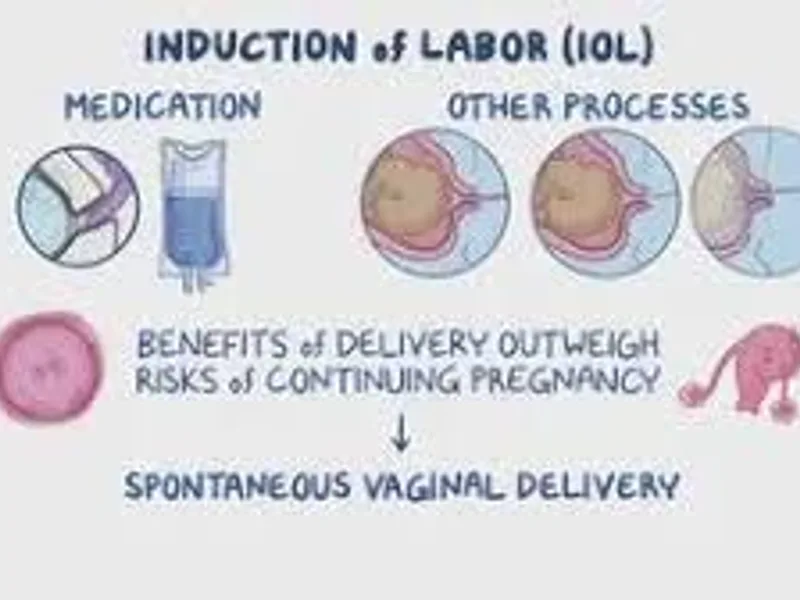
If you’re close to your due date and feeling stuck in waiting mode, this breaks down induction of labor methods in a way that actually makes sense. No jargon, no fluff—just what works, what doesn’t, and what it really feels like from a human perspective.
May 20, 2026