

Emergency & Help
24/7 Emergency & General Advisory
🚨 24/7 Medical Emergency
Non-Emergency Advisory
10:00 AM – 6:00 PM, Mon–Sat
For appointments & general queries.
24/7 Emergency & General Advisory
🚨 24/7 Medical Emergency
Non-Emergency Advisory
10:00 AM – 6:00 PM, Mon–Sat
For appointments & general queries.
Navigate week 34 of pregnancy with confidence! Learn about common symptoms like bloating and heartburn, understand your baby's development, and get tips for staying comfortable and prepared for delivery.

Congratulations! You've officially reached 34 weeks of pregnancy. While it might feel like you've been carrying your little one for an eternity, the finish line is now less than two months away. This is a significant milestone, and it's a wonderful time to reflect on how far you've come and prepare for the exciting arrival of your baby. As your baby continues their rapid growth and development, you'll likely notice a significant increase in your own physical changes. Expect to gain up to a pound per week unless your healthcare provider advises otherwise. This weight gain is essential for your baby's development, but it can also bring about new sensations and challenges.
Your baby is blossoming in your womb. At this stage, they measure approximately 17 inches long and weigh around 5 pounds – about the size of a cantaloupe. This significant weight gain is primarily due to the accumulating fat beneath their skin. This fat is not just for looks; it plays a vital role in helping your baby regulate their body temperature after birth. You might notice a slight decrease in your baby's movements, not because they are less active, but simply because there's less room for big acrobatic displays. Their legs are likely tucked close to their body, and their primary focus is on growing and developing those crucial systems, especially their lungs, which are becoming increasingly mature.
Lanugo, the fine, downy hair that has covered your baby's body, is starting to disappear, although a little might remain at birth. Their bones are hardening, except for their skull, which remains flexible to aid in passage through the birth canal. If your baby is a boy, his testicles are likely descending into the scrotum around this time. The amniotic fluid surrounding your baby, which has been their protective environment, is also reaching its peak volume.
The third trimester often brings a unique set of symptoms as your body continues to adapt to the growing baby. Here's what you might be experiencing and how to find relief:
You may feel more bloated than usual. This is often due to hormonal changes and the pressure your growing uterus exerts on your digestive system. To combat this:
As your uterus expands, it pushes against your stomach, leading to that familiar burning sensation. Try these tips:
Your 'innie' might be transforming into an 'outie.' This is a normal occurrence as your belly expands. If your belly button feels sensitive or irritated, a simple bandage can provide relief from clothing friction.
The extra weight and the shift in your center of gravity can put a strain on your back. Gentle exercise and proper posture can make a difference:
This phase of pregnancy is as much about your well-being as it is about your baby's. Taking care of yourself will better prepare you for labor and motherhood.
We can't stress this enough: drink plenty of fluids! Proper hydration is vital for maintaining amniotic fluid levels, preventing constipation, reducing swelling, and ensuring optimal nutrient transport to your baby. Water is best, but herbal teas and diluted juices can also contribute.
Sleep can become more challenging with a growing belly and increased discomfort. Try these strategies:
While rest is important, gentle physical activity offers numerous benefits. It can help manage weight gain, reduce back pain and bloating, improve sleep, and prepare your body for labor. Always consult your doctor before starting or continuing an exercise program.
Connecting with friends, family, or other expecting parents can significantly reduce stress, anxiety, and feelings of isolation. Share your experiences, concerns, and joys. Support groups, whether online or in-person, can be invaluable resources.
Between weeks 28 and 36 of pregnancy, your prenatal check-ups typically increase to twice a month. Your doctor will monitor your health and your baby's development closely.
Your doctor may perform various tests, including:
You might undergo another blood test called an antibody screen. This is particularly important if you have Rh-negative blood, to check for antibodies that could affect your baby. This test may have been done earlier in your pregnancy and could be repeated.
It's an excellent time to start learning more about the birthing process. Talk openly with your doctor about your preferences, potential interventions, and pain management options. Understanding your choices empowers you to make informed decisions.
With less than two months to go, it's wise to finalize your preparations:
If you haven't already, now is the perfect time to finish setting up the nursery. Ensure the crib is safe and ready, and that you have the essential baby supplies organized. Sometimes, babies decide to make an early appearance, so being prepared is key!
Start packing your hospital bag. Include essentials for yourself, your baby, and your partner. It's better to have it ready a few weeks in advance.
Attend childbirth classes if you haven't already. Understanding labor stages, pain relief options, and basic newborn care can boost your confidence.
While most pregnancies progress smoothly, it's vital to know the warning signs that require immediate medical attention. Contact your doctor or go to the hospital if you experience any of the following:
Remember, every pregnancy is unique. Continue attending your regular prenatal appointments, communicate openly with your healthcare provider, and trust that they will guide you towards a healthy delivery. You're in the home stretch!
A: While your baby is still active, the decrease in noticeable movements is often due to less space in the womb. However, it's crucial to monitor your baby's kick counts. If you notice a significant and persistent decrease in movements, contact your doctor immediately.
A: Yes, gentle to moderate exercise like walking, swimming, or prenatal yoga is generally safe and beneficial. Always consult your doctor before starting or continuing any exercise routine to ensure it's appropriate for your specific pregnancy.
A: Try eating smaller meals, avoiding trigger foods, and staying upright after eating. If heartburn is severe and persistent, speak with your doctor, who can recommend safe medications.
A: Typically, you can expect to gain up to 1 pound per week during this stage of pregnancy, unless your doctor has advised otherwise based on your individual health and circumstances.
A: It's a good idea to have your hospital bag packed and ready by week 34 or 35. This ensures you're prepared in case your baby decides to arrive a little earlier than expected.
Visit Hospital
Near You
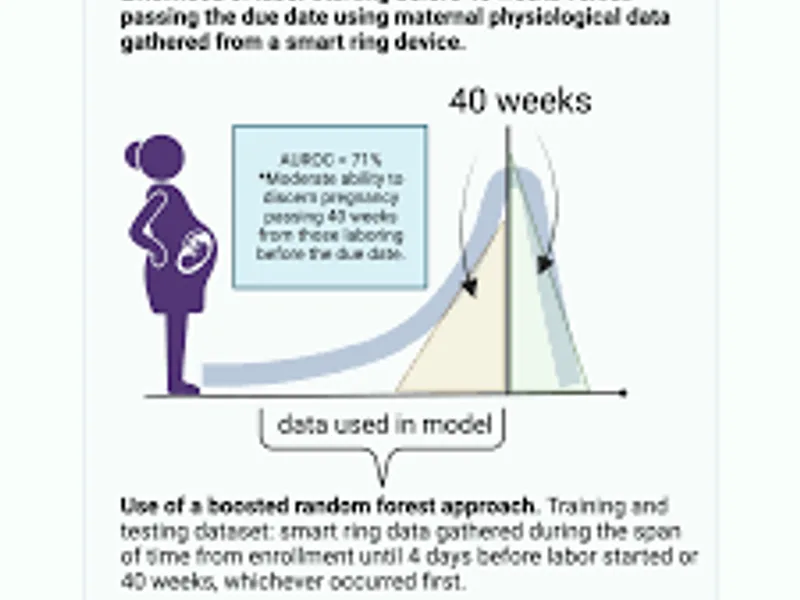
Going past your due date can feel like being stuck in a waiting room with no clock. This guide walks you through what actually happens during monitoring after due date pregnancy — the tests, the decisions, and the emotions nobody really prepares you for.
May 20, 2026
Going past your due date can feel like being stuck in a waiting room with no clock. This guide walks you through what actually happens during monitoring after due date pregnancy — the tests, the decisions, and the emotions nobody really prepares you for.
May 20, 2026
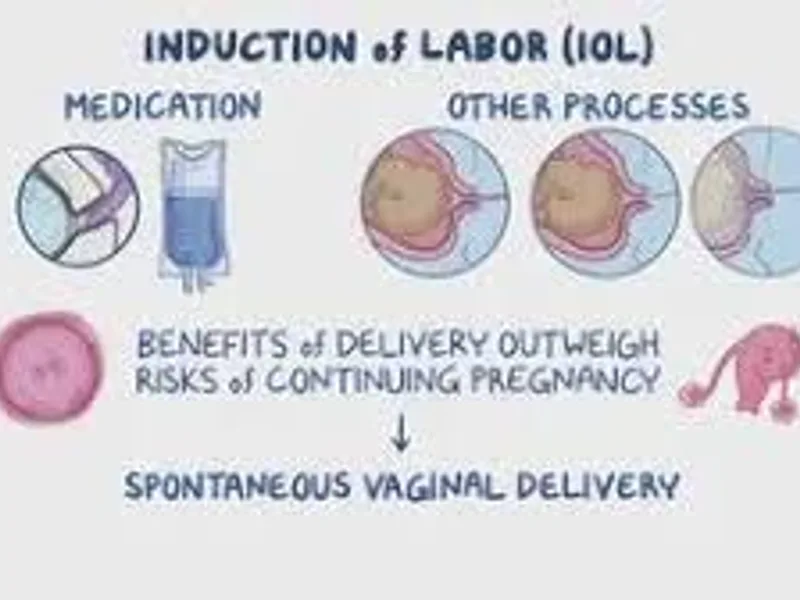
If you’re close to your due date and feeling stuck in waiting mode, this breaks down induction of labor methods in a way that actually makes sense. No jargon, no fluff—just what works, what doesn’t, and what it really feels like from a human perspective.
May 20, 2026