

Emergency & Help
24/7 Emergency & General Advisory
🚨 24/7 Medical Emergency
Non-Emergency Advisory
10:00 AM – 6:00 PM, Mon–Sat
For appointments & general queries.
24/7 Emergency & General Advisory
🚨 24/7 Medical Emergency
Non-Emergency Advisory
10:00 AM – 6:00 PM, Mon–Sat
For appointments & general queries.
A comprehensive guide for expectant mothers of size in India, covering pre-pregnancy planning, healthy weight gain, potential risks, and practical tips for a joyful and healthy pregnancy journey.

Pregnancy is a magical journey, a time of profound change and anticipation. For expectant mothers who are considered to be of a larger size, this journey might come with a unique set of questions and concerns. The term "plus-size pregnancy" itself can sound daunting, but it doesn't have to be. This guide is here to offer practical, reassuring information tailored for Indian readers, focusing on a healthy and positive experience for both you and your baby.
Let's start by clarifying what "plus-size" means in the context of pregnancy. While there isn't one strict medical definition, generally, a woman with a Body Mass Index (BMI) between 25.0 and 29.9 is considered overweight, and a BMI of 30.0 or higher indicates obesity, according to the Centers for Disease Control and Prevention (CDC). It's important to remember that BMI is just one measure, and it doesn't tell the whole story about your individual health.
Many factors contribute to a healthy pregnancy, and your size is just one piece of a much larger puzzle. The most important thing is to work closely with your healthcare provider to understand your specific health profile and needs.
If you are planning to conceive and are of a larger size, experts often recommend a pre-pregnancy planning phase. Aiming to be in your best health at least 6 months before you get pregnant can make a significant difference. This period allows you and your doctor to address any potential health concerns, optimize your nutrition, and start building healthy habits that will support you throughout your pregnancy.
Think of it as preparing the soil before planting a precious seed. What does this preparation involve?
A common question for expectant mothers of size is about appropriate weight gain. The recommendations vary based on your pre-pregnancy BMI:
These are general guidelines, and your doctor will provide personalized advice. The key is a gradual and steady gain:
Dr. Sherry A. Ross, an OB-GYN, emphasizes that a slow and steady weight gain is generally best. This approach helps your body adapt comfortably and supports your baby's development without placing undue stress on your system.
The timing of when your pregnancy becomes visible can differ based on your body shape and pre-pregnancy weight distribution. While many women start showing between 12 and 16 weeks, for mothers of size, it might be a bit later:
Remember, these are estimates. Every pregnancy is unique, and the most important thing is how you and your baby are progressing, not necessarily when your bump becomes apparent to others.
It's true that pregnancies in women of larger size can sometimes have a higher risk for certain complications. However, understanding these risks is the first step towards managing them effectively. Proactive care and open communication with your doctor are your best allies.
This is a type of diabetes that develops during pregnancy and usually resolves after delivery. It affects how your body uses sugar. Regular monitoring of blood sugar levels and a carefully managed diet are key. Your doctor will likely screen you for GDM during your prenatal visits.
Preeclampsia is a serious condition characterized by high blood pressure that develops during pregnancy. It can affect your vital organs. Regular blood pressure checks are essential throughout your pregnancy. Promptly reporting symptoms like severe headaches, vision changes, or sudden swelling is vital.
While the risk can be higher with increased BMI, it's crucial to remember that many women of size have healthy pregnancies and babies. Maintaining a healthy lifestyle, managing underlying conditions, and attending all prenatal appointments can help reduce these risks.
As your body changes to accommodate your growing baby, you might experience more physical discomforts, such as back pain. Regular, gentle exercise, proper posture, and supportive clothing can help manage these issues.
Here’s a practical approach to ensure a positive pregnancy experience:
Pooja, who is 30 and expecting her first child, was worried after reading online about risks associated with her BMI. She had gained 5 pounds by her 20-week scan. Her doctor reassured her, explaining that her blood pressure and sugar levels were perfect, and her weight gain was right on track for her individual needs. They discussed her diet, and Pooja started incorporating more vegetables and walks into her daily routine, feeling much more confident and in control.
While most pregnancies progress smoothly, it's essential to know when to seek urgent medical attention. Contact your doctor or go to the nearest hospital emergency room if you experience any of the following:
Your well-being and your baby's health are the top priorities. Don't hesitate to reach out to your healthcare provider if you have any concerns, no matter how small they may seem.
A1: Absolutely! Many women of size have healthy, successful pregnancies and deliver healthy babies. The key is proactive healthcare, a healthy lifestyle, and open communication with your doctor.
A2: Yes, the availability of plus-size maternity wear is growing in India. Many online retailers and some physical stores now offer a good range of comfortable and stylish options. Look for brands specializing in maternity wear or those with inclusive sizing.
A3: Yes, your size does not typically affect your ability to breastfeed. Focus on good latch techniques, seeking support from lactation consultants if needed, and maintaining a healthy diet and hydration.
A4: While there can be a slightly increased risk, your doctor will monitor your baby's growth throughout the pregnancy with regular ultrasounds. Managing your blood sugar and maintaining a healthy weight gain can significantly reduce this risk.
Pregnancy is a unique and personal experience. By staying informed, focusing on your health, and working closely with your healthcare team, you can navigate your pregnancy with confidence and joy. Embrace this beautiful phase of life!
Visit Hospital
Near You
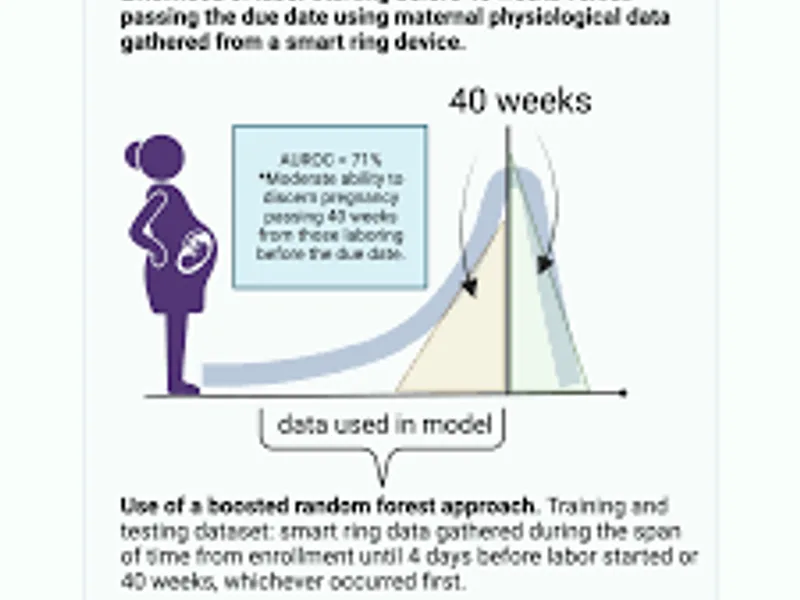
Going past your due date can feel like being stuck in a waiting room with no clock. This guide walks you through what actually happens during monitoring after due date pregnancy — the tests, the decisions, and the emotions nobody really prepares you for.
May 20, 2026
Going past your due date can feel like being stuck in a waiting room with no clock. This guide walks you through what actually happens during monitoring after due date pregnancy — the tests, the decisions, and the emotions nobody really prepares you for.
May 20, 2026
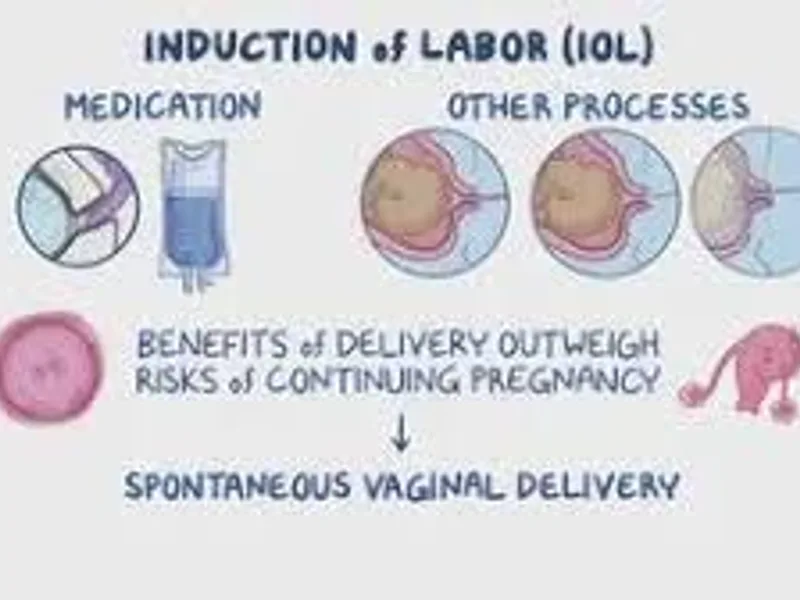
If you’re close to your due date and feeling stuck in waiting mode, this breaks down induction of labor methods in a way that actually makes sense. No jargon, no fluff—just what works, what doesn’t, and what it really feels like from a human perspective.
May 20, 2026