

Emergency & Help
24/7 Emergency & General Advisory
🚨 24/7 Medical Emergency
Non-Emergency Advisory
10:00 AM – 6:00 PM, Mon–Sat
For appointments & general queries.
24/7 Emergency & General Advisory
🚨 24/7 Medical Emergency
Non-Emergency Advisory
10:00 AM – 6:00 PM, Mon–Sat
For appointments & general queries.
Navigate your third month of pregnancy with confidence. Understand common symptoms, fetal development, and essential tips for expectant mothers.

The third month of pregnancy, roughly spanning weeks 9 through 12, is a period of exciting transition. Many women report a slight easing of severe early pregnancy symptoms, though this is not universal. Some may still grapple with nausea and fatigue, while others start to feel a surge of energy. It’s essential to remember that every pregnancy is unique. Your experience is valid, regardless of how you feel compared to others.
While the first trimester can be challenging, the third month often brings a shift. Here’s a look at common symptoms and practical advice:
You might notice your breasts becoming more swollen, tender, or itchy. The areola (the area around your nipple) may also darken. These changes are your body preparing for breastfeeding. Gentle support from a well-fitting bra can offer comfort. Applying a mild, unscented moisturizer can help with itching.
Your sense of smell might become more sensitive, leading to new food aversions. Conversely, you might develop strong cravings for certain foods. Try to maintain a balanced diet by incorporating nutrient-dense options, even if they aren't your usual choices. If you're struggling to eat, focus on smaller, more frequent meals. Hydration is key; keep a water bottle handy throughout the day.
Morning sickness, which can occur at any time of day, often peaks around the eighth to tenth week and may start to subside for some by the third month. If you’re still experiencing significant nausea, try eating bland foods like crackers, toast, or rice. Ginger in various forms (tea, candies) can be soothing. Keep your stomach from getting too empty, and avoid strong smells that trigger your nausea.
Seeing any blood during pregnancy can be alarming, but light spotting (pink or brown discharge) is relatively common and often not a cause for concern in up to 25% of healthy pregnancies. It can occur after intercourse or a pelvic exam. However, it’s crucial to contact your doctor immediately if you experience:
Always err on the side of caution and report any bleeding to your healthcare provider.
Some women experience a boost in energy as their pregnancy progresses into the second trimester, while others continue to feel fatigued. Listen to your body. Prioritize rest whenever possible. If fatigue is overwhelming, speak with your doctor to rule out other causes like anemia.
Whether you’re showing or not at three months pregnant is highly individual. First-time mothers, especially those with strong abdominal muscles, may not show until 4 or 5 months. If this is not your first pregnancy, you might notice your belly becoming more prominent sooner. Avoid comparing your body to others; focus on your own healthy progression.
During the third month, your baby is growing rapidly and transforming from a basic structure into a more recognizable form. By the end of this month, your baby will be:
If you are carrying twins, a slight size difference between the babies is normal at this stage, provided your doctor isn't concerned.
As you move through your pregnancy, taking proactive steps can ease your journey:
Sleep is your superpower right now! If you don't have other children to care for, make rest your top priority. Create a relaxing bedtime routine and ensure your sleeping environment is comfortable. Consider using pregnancy pillows for better support.
If you haven't already, start discussing baby names with your partner. This can be a fun but sometimes lengthy process, so starting early is wise.
Think about how and when you want to share your news, especially with your employer and colleagues. Planning this conversation can help alleviate any anxiety.
Attend all your scheduled prenatal appointments. These visits are vital for monitoring your health and your baby's development. Discuss any concerns or new symptoms with your doctor or midwife promptly.
Continue focusing on a healthy diet and adequate fluid intake. Small, frequent meals can help manage nausea and provide sustained energy. If you have specific dietary concerns, consult a nutritionist or your doctor.
While many changes are normal, certain symptoms warrant immediate medical attention. Always contact your healthcare provider if you experience:
Scenario: Priya, a first-time expectant mother, felt a wave of panic when she noticed light brown discharge after a doctor's visit. She immediately called her gynecologist, who reassured her that mild spotting can be normal but advised her to rest and monitor for any changes. Priya felt relieved knowing she had acted promptly and followed her doctor's advice.
Yes, it is perfectly normal for morning sickness to persist into the third month for many women. For some, it may even continue into the second trimester. Focus on managing symptoms with small, frequent meals and hydration.
Generally, traveling is considered safe during the second trimester, which begins around the end of the third month. However, it's always best to discuss your travel plans with your doctor, especially if you have any pre-existing conditions or concerns.
Weight gain recommendations vary. For most women, significant weight gain typically begins in the second trimester. Your doctor will monitor your weight gain and provide personalized advice based on your pre-pregnancy BMI and overall health.
Most women feel their first fetal movements, known as 'quickening,' between 16 and 25 weeks of pregnancy. It's common not to feel distinct movements at three months, especially if this is your first pregnancy.
Visit Hospital
Near You
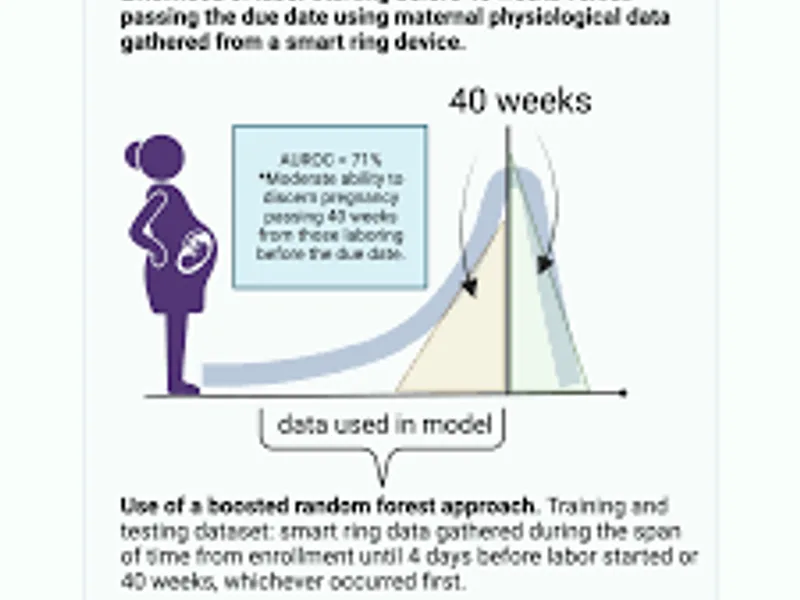
Going past your due date can feel like being stuck in a waiting room with no clock. This guide walks you through what actually happens during monitoring after due date pregnancy — the tests, the decisions, and the emotions nobody really prepares you for.
May 20, 2026
Going past your due date can feel like being stuck in a waiting room with no clock. This guide walks you through what actually happens during monitoring after due date pregnancy — the tests, the decisions, and the emotions nobody really prepares you for.
May 20, 2026
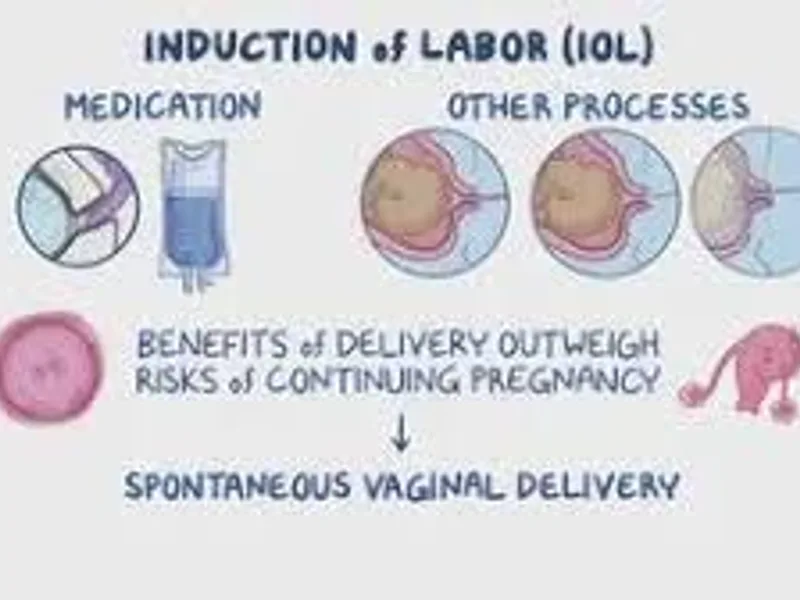
If you’re close to your due date and feeling stuck in waiting mode, this breaks down induction of labor methods in a way that actually makes sense. No jargon, no fluff—just what works, what doesn’t, and what it really feels like from a human perspective.
May 20, 2026