

Emergency & Help
24/7 Emergency & General Advisory
🚨 24/7 Medical Emergency
Non-Emergency Advisory
10:00 AM – 6:00 PM, Mon–Sat
For appointments & general queries.
24/7 Emergency & General Advisory
🚨 24/7 Medical Emergency
Non-Emergency Advisory
10:00 AM – 6:00 PM, Mon–Sat
For appointments & general queries.
Experiencing pregnancy symptoms but got a negative test? Discover common reasons like testing too early, low hCG levels, or other health factors. Learn what to do next.

It's a moment filled with anticipation, maybe even a little anxiety. You've noticed some changes in your body – perhaps your period is late, your breasts feel tender, or you're experiencing unusual fatigue. You rush to take a pregnancy test, hoping for a clear answer. But then, the result stares back at you: negative. Yet, you still feel pregnant. This can be a confusing and even distressing situation. You might wonder, "Am I imagining things? Is the test wrong?" The good news is, you're likely not imagining it, and there are several common and understandable reasons why this might happen. Let's explore these possibilities together, keeping in mind that every woman's body is unique and responds differently.
At-home pregnancy tests work by detecting a hormone called human chorionic gonadotropin (hCG) in your urine. This hormone is produced shortly after a fertilized egg implants in the uterus. The amount of hCG typically doubles every 48 to 72 hours in early pregnancy. However, the accuracy of these tests depends on several factors, including when you test, the sensitivity of the test, and even how hydrated you are.
While modern pregnancy tests are quite accurate, they are not infallible. False negatives (a negative test when you are actually pregnant) can occur for various reasons. It's important to remember that these tests are designed to detect a certain level of hCG, and if that level isn't high enough, the test will read negative, even if pregnancy is present.
Let's break down the most frequent scenarios that can lead to this confusing outcome:
This is perhaps the most common reason for a false negative. Pregnancy tests have a detection limit. If you test too soon after conception, before your body has produced enough hCG to be detected by the test, you'll get a negative result. Even if the test says you can test a few days before your missed period, the hCG levels might still be too low for a reliable reading. The likelihood of an accurate result increases significantly as you get closer to or past your expected period date.
Scenario: Priya noticed her period was a day late and felt a bit nauseous. She took a test that evening, and it was negative. She decided to wait and test again a few days later, after her period was officially missed, and this time, she got a positive result.
Even if you are pregnant, your hCG levels might simply be lower than what the specific test can detect. This can happen in very early pregnancy or in cases of certain types of pregnancy, such as an ectopic pregnancy, where hCG levels may rise more slowly. Some women naturally have lower hCG levels.
Drinking a lot of water can dilute your urine. If your urine is too diluted, the concentration of hCG might drop below the test's detection threshold, leading to a false negative. For the most accurate results, it's often recommended to use your first-morning urine, as it is typically more concentrated.
Pregnancy tests come with specific instructions for a reason. Not following them precisely can lead to inaccurate results. This includes factors like:
Like any product, pregnancy tests can expire or be faulty. Manufacturing defects can occur, or the test might have been exposed to extreme temperatures during shipping or storage. If you have a strong suspicion you might be pregnant and have received multiple negative results, consider using a test from a different brand or batch.
If you're experiencing pregnancy-like symptoms but your test remains negative, it's possible that something else is causing these changes. It's important not to dismiss your symptoms, as they could indicate other underlying health conditions. Here are some possibilities:
Missed or delayed periods can happen for many reasons unrelated to pregnancy. Stress, significant weight changes, excessive exercise, hormonal imbalances (like PCOS), certain medications, and chronic illnesses can all disrupt your menstrual cycle.
The emotional and physical toll of stress can manifest in ways that mimic early pregnancy symptoms. You might experience fatigue, nausea, changes in appetite, and even missed periods due to the impact of stress hormones on your body.
Conditions like Polycystic Ovary Syndrome (PCOS) are characterized by hormonal imbalances that can lead to irregular periods, fatigue, and other symptoms that might feel like pregnancy. Thyroid issues can also cause fatigue and changes in your menstrual cycle.
Certain medications, particularly hormonal ones like birth control pills or fertility treatments, can cause symptoms like nausea, breast tenderness, and fatigue. If you've recently started a new medication or changed your dosage, this could be a contributing factor.
While less common, other medical conditions can cause symptoms that overlap with pregnancy. These might include gastrointestinal issues (like acid reflux or irritable bowel syndrome), infections, or even certain types of tumors (though this is very rare).
If you're in this situation, here's a practical guide on how to proceed:
While many causes of a negative pregnancy test with pregnancy symptoms are harmless, it's essential to seek medical attention if you experience any of the following:
Feeling pregnant when your test is negative can be a confusing experience. Remember that home pregnancy tests are a useful tool, but they are not foolproof. Your body is sending you signals, and it's vital to listen to them. Whether it's early pregnancy, a hormonal fluctuation, or another health concern, the most reliable way to get clarity is by consulting with your healthcare provider. They can offer accurate testing, diagnosis, and peace of mind, guiding you toward the best path forward for your health and well-being.
Yes, it's possible to be pregnant and have a negative pregnancy test, especially if you test too early, have diluted urine, or the test is faulty. This is known as a false negative.
A doctor can often detect pregnancy with a blood test as early as 6-8 days after ovulation, which is sooner than most home urine tests.
Common early pregnancy symptoms like fatigue, nausea, breast tenderness, and missed periods can also be caused by stress, hormonal changes, medication side effects, or other medical conditions.
If you suspect you are pregnant, it's best to speak with your doctor before making any changes to your birth control or other medications.
An ectopic pregnancy occurs when a fertilized egg implants outside the uterus, most commonly in a fallopian tube. It is a serious condition that requires immediate medical attention and cannot result in a viable pregnancy.
Visit Hospital
Near You
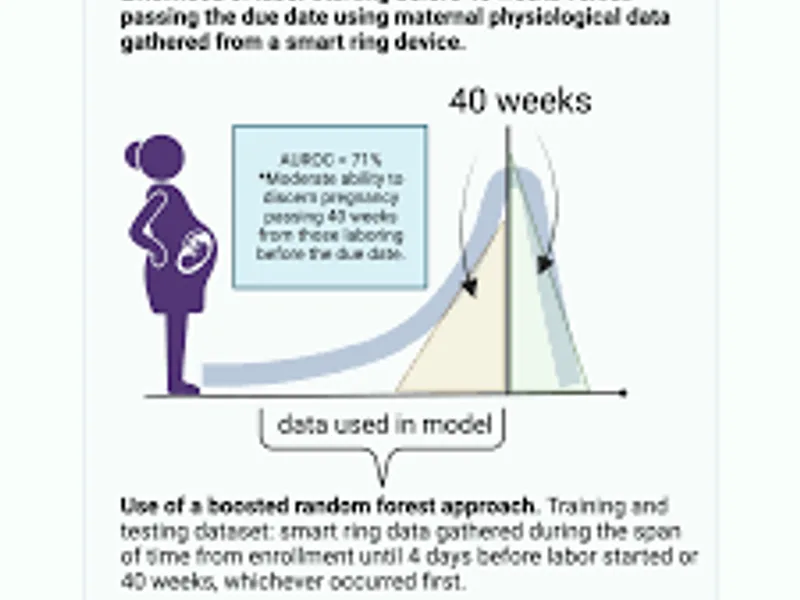
Going past your due date can feel like being stuck in a waiting room with no clock. This guide walks you through what actually happens during monitoring after due date pregnancy — the tests, the decisions, and the emotions nobody really prepares you for.
May 20, 2026
Going past your due date can feel like being stuck in a waiting room with no clock. This guide walks you through what actually happens during monitoring after due date pregnancy — the tests, the decisions, and the emotions nobody really prepares you for.
May 20, 2026
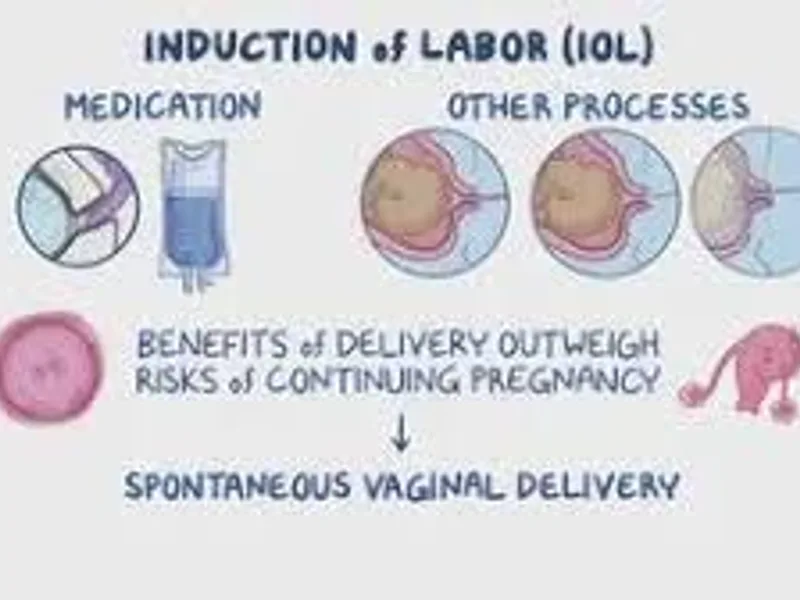
If you’re close to your due date and feeling stuck in waiting mode, this breaks down induction of labor methods in a way that actually makes sense. No jargon, no fluff—just what works, what doesn’t, and what it really feels like from a human perspective.
May 20, 2026