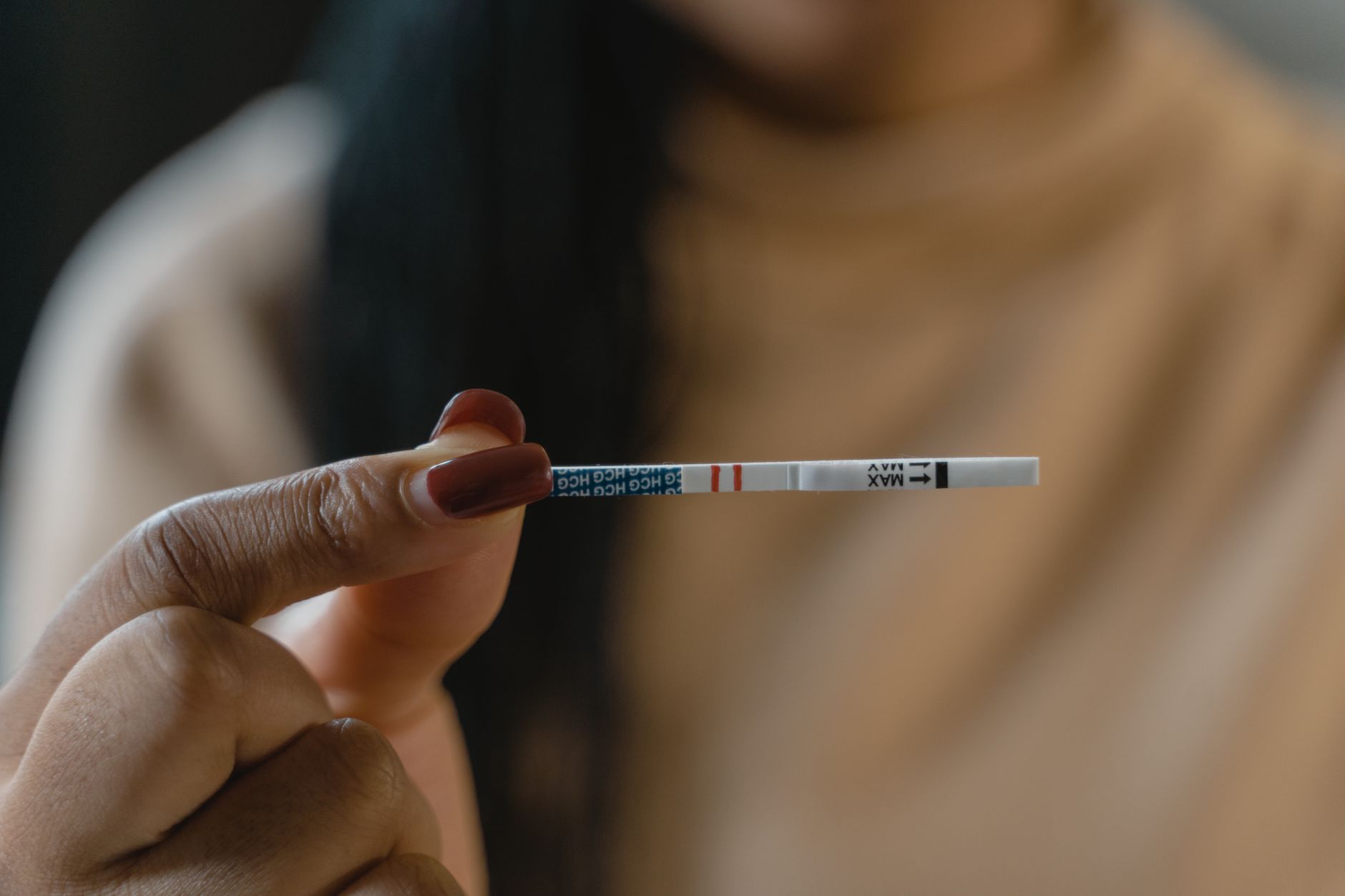
You’re feeling it – the fatigue, the tender breasts, maybe even a touch of nausea. Your period is late, and you’re sure you’re pregnant. But then you take an at-home pregnancy test, and it shows a negative result. What gives? It’s a confusing and often frustrating situation many women find themselves in. You’re experiencing classic pregnancy symptoms, yet the test says no. This doesn't necessarily mean you're imagining things or that the test is wrong. There are several medical and lifestyle reasons why you might feel pregnant but get a negative test result. Understanding Pregnancy Tests and hCG At-home pregnancy tests detect a hormone called human chorionic gonadotropin (hCG). Your body starts producing this hormone shortly after a fertilized egg implants in the uterus. The placenta begins to develop, and it releases hCG into your bloodstream and then your urine. The levels of hCG rise rapidly in the early weeks of pregnancy, roughly doubling every 48-72 hours. These tests are designed to be sensitive, but their accuracy depends on several factors, including when you take the test, how you take it, and your individual hCG levels. A negative result doesn’t always mean you’re not pregnant. Let’s explore some of the common reasons why this might happen. Common Reasons for a Negative Test Despite Pregnancy Symptoms 1. Testing Too Early This is perhaps the most common reason for a false negative. Pregnancy tests need a certain amount of hCG to detect pregnancy. If you test too soon, before your hCG levels have risen sufficiently, the test might not pick up the hormone, even if you are pregnant. Many tests advertise that you can test a few days before your missed period, but the accuracy is much lower at this stage. For example: Maya was excited to take a pregnancy test because her period was a day late and she felt unusually tired. She took a test that morning, and it was negative. She decided to wait two more days, retested, and got a positive result. Her hCG levels had simply not risen enough on the first attempt. What to do: If you get a negative result but suspect you might be pregnant, wait a few days and retest. Testing after your period is officially late generally provides more reliable results. 2. Diluted Urine The concentration of hCG in your urine is key to a positive test result. If you drink a lot of fluids, especially in the hours leading up to the test, your urine can become diluted. This lowers the concentration of hCG, making it harder for the test to detect. What to do: For the most accurate results, especially if you’re testing early, use your first-morning urine. This is typically the most concentrated urine of the day, containing the highest levels of hCG. 3. Incorrect Test Usage Pregnancy tests come with instructions for a reason! Not following them precisely can lead to inaccurate results. This includes not using enough urine, letting the test sit for too long or not long enough before reading it, or not holding the absorbent stick in the urine stream correctly. What to do: Always read and follow the specific instructions for the brand of pregnancy test you are using. Ensure you’re collecting urine properly and reading the test within the specified timeframe. 4. Expired or Faulty Test Like any product, pregnancy tests have an expiration date. An expired test may not work correctly. Additionally, though rare, a test might be faulty due to manufacturing defects or improper storage (e.g., extreme temperatures). What to do: Always check the expiration date on the test packaging before using it. If you suspect a test might be faulty, try using a different test from a different package. 5. Ectopic Pregnancy While less common, an ectopic pregnancy is a serious condition where a fertilized egg implants outside the uterus, most often in a fallopian tube. In an ectopic pregnancy, hCG levels may rise more slowly or plateau, potentially leading to a negative or faint positive result on a home test, even with pregnancy symptoms. Other symptoms can include sharp abdominal pain, vaginal bleeding, and shoulder pain. When to consult a doctor immediately: If you have severe abdominal pain, dizziness, or unusual vaginal bleeding, seek medical attention right away. These could be signs of an ectopic pregnancy or another serious complication. 6. Chemical Pregnancy A chemical pregnancy occurs when a fertilized egg implants, but the pregnancy doesn't continue to develop. This often happens very early, sometimes around the time of your missed period. You might experience very early pregnancy symptoms and a positive test that quickly turns negative, or you might have a negative test but still experience some symptoms before your period starts. 7. Recent Miscarriage or Abortion After a miscarriage or abortion, hCG levels can take time to return to zero. If you test too soon after such an event, you might still have detectable hCG, but it’s from the previous pregnancy, not a new one. Conversely, it’s possible to ovulate and conceive again soon after, but interpreting test results can be tricky during this transition period. Reasons You Might Feel Pregnant Without Being Pregnant Sometimes, the symptoms you’re experiencing might mimic pregnancy but are due to other factors. It’s important not to jump to conclusions and consider these possibilities: 1. Irregular Periods Your period might be late for reasons other than pregnancy, such as stress, changes in diet or exercise, weight fluctuations, hormonal imbalances (like PCOS), or certain medications. If your periods are already irregular, it can be harder to pinpoint when you might have conceived or if you are pregnant. 2. Premenstrual Syndrome (PMS) Many PMS symptoms can overlap with early pregnancy symptoms. These include breast tenderness, fatigue, mood swings, bloating, and even mild cramping. The timing of these symptoms, just before your period, can sometimes lead to confusion. 3. Stress and Anxiety High levels of stress and anxiety can affect your menstrual cycle and even cause physical symptoms that mimic pregnancy, such as nausea, fatigue, and changes in appetite. Worrying about a possible pregnancy can also heighten your awareness of subtle bodily sensations. 4. Certain Medical Conditions Some medical conditions can cause symptoms that resemble pregnancy: Polycystic Ovary Syndrome (PCOS): This hormonal disorder can cause irregular periods and other symptoms that might feel similar to early pregnancy. Thyroid Issues: Both an overactive (hyperthyroidism) and underactive (hypothyroidism) thyroid can affect your menstrual cycle and energy levels. Uterine Fibroids or Polyps: These non-cancerous growths in the uterus can sometimes cause changes in your menstrual cycle or pelvic discomfort. Recent Illness: Feeling unwell from a stomach bug or other illness can cause nausea and fatigue. 5. Medications Some medications can cause side effects that mimic pregnancy symptoms. For example, certain hormonal birth control methods or fertility treatments can lead to breast tenderness, nausea, or fatigue. When to Consult a Doctor While at-home tests are convenient, they aren’t foolproof. If you have persistent symptoms, a late period, and negative pregnancy tests, it’s a good idea to consult your doctor. They can perform a more sensitive blood test to detect hCG or conduct other tests to determine the cause of your symptoms. You should definitely see a doctor if: Your period is more than a week late, and you continue to get negative tests. You experience severe abdominal pain, cramping, or unusual vaginal bleeding. You have other concerning symptoms like high fever, dizziness, or persistent vomiting. You are trying to conceive and are concerned about your fertility or the accuracy of your tests. The Role of Blood Tests and Ultrasounds A doctor can order a quantitative hCG blood test. This test measures the exact amount of hCG in your blood and can detect pregnancy earlier and more accurately than urine tests. In some cases, an ultrasound may be used to visualize the uterus and confirm a pregnancy or investigate other issues. FAQ Section Q1: Can stress cause pregnancy symptoms and a negative test? Yes, significant stress can disrupt your menstrual cycle and cause physical symptoms like fatigue, nausea, and changes in appetite that can mimic pregnancy. The anxiety around a potential pregnancy can also make you more aware of these symptoms. Q2: What if I got a very faint positive line, then a negative? This can indicate a chemical pregnancy or that your hCG levels are very low. It’s best to retest in a day or two or consult your doctor for a blood test. Q3: How long should I wait to see a doctor if my period is late and tests are negative? If your period is a week or more late and pregnancy tests remain negative, it’s advisable to consult your doctor to rule out other causes for the missed period and symptoms. Q4: Can I be pregnant with twins and get a negative test? While hCG levels are typically higher with twins, it's still possible to get a negative result if testing too early. However, a negative test with strong pregnancy symptoms warrants further investigation by a
In summary, timely diagnosis, evidence-based treatment, and prevention-focused care improve long-term health outcomes.