I remember a friend calling me late one night, whispering like something was wrong. “I’m 9 months. Still no pain. Is this normal?” You could hear the anxiety in her voice. Because by that point, you almost expect your body to do something dramatic.
Here’s the truth: having no pain at 9 months pregnancy is far more common than people admit. Not every body follows the same timeline. Some women go into labor quietly, others get slow, irregular signs, and a few feel almost nothing until active labor kicks in.
Your due date isn’t an expiry date. It’s more like a rough estimate. Doctors usually consider anything between 37 and 42 weeks within a normal range. So if you’re sitting there waiting for contractions and getting nothing, it doesn’t automatically mean something is wrong. It just means your body hasn’t started labor yet.
Why your body might still be quiet at 9 months
This is the part most guides skim over. They just say “be patient,” which is… not very helpful when you’re uncomfortable and overthinking everything.
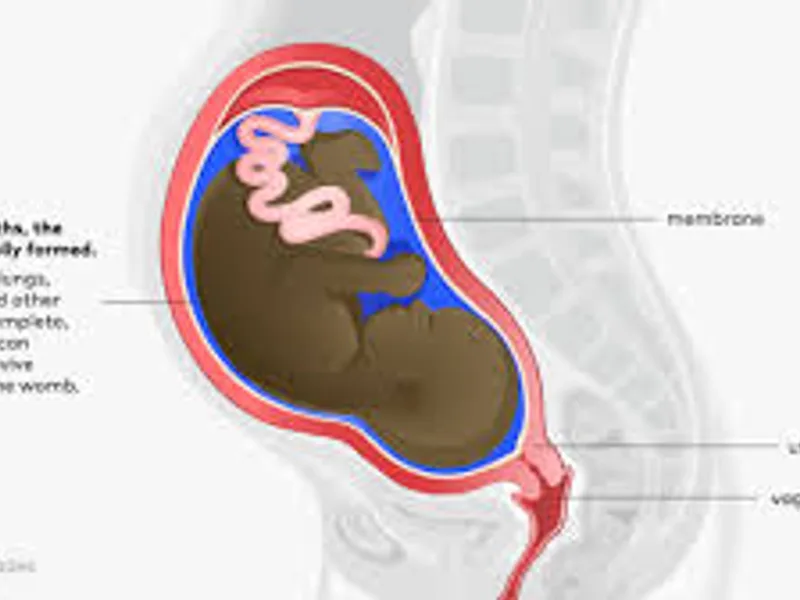
There are a few real reasons behind no labor pain at 9 months. First, your baby might not have dropped into the pelvis yet. That pressure often triggers contractions. Without it, things can stay calm.
Second, your cervix might still be firm and closed. Labor doesn’t start properly until it begins to soften and dilate. Some women dilate slowly without pain. Others stay at zero until suddenly everything changes.
Hormones play a big role too. Oxytocin and prostaglandins need to rise at the right time. If your body isn’t producing them in strong waves yet, you won’t feel contractions.
And honestly, genetics matter more than we think. I’ve seen mothers and daughters have almost identical labor patterns—late starts, minimal early pain, then quick delivery.
So if you’re not feeling anything, it’s not laziness from your body. It’s timing.
What you can actually do (without overthinking it)
Let’s get practical, because waiting is the hardest part.
Start with movement. Gentle walking helps your baby move down and puts pressure on your cervix. Not marathon walking. Just consistent, relaxed movement through the day.
Stay hydrated and eat light but regular meals. Low energy can slow your body down. Sounds basic, but it matters more than you’d expect.
Some women try natural methods like nipple stimulation or certain positions that encourage baby engagement. They can help, but don’t expect instant results. Real life isn’t a shortcut video.
Most importantly, keep your doctor in the loop. Around 40 weeks, they’ll usually monitor you more closely. If you cross 41 weeks, discussions about induction may come up. That’s not failure—it’s just a safety step.
And one thing people rarely say: rest while you can. Early labor often begins at night. Being exhausted before it starts doesn’t help anyone.
The part people don’t talk about enough
There’s a strange emotional side to all this. When there’s no pain at 9 months pregnancy, you start questioning your body. “Why isn’t it working?”
But the reality is, labor doesn’t need to prove anything to you. It doesn’t follow expectations, comparisons, or Google timelines.
I’ve seen cases where nothing happens for days… and then within a few hours, everything changes fast. Quiet doesn’t mean stuck. It often just means “not yet.”
Conclusion
Reaching the end of pregnancy without contractions can feel unsettling, but it’s often just part of how your body works. No pain at 9 months pregnancy doesn’t mean something is wrong—it usually means your baby is taking their time. Stay aware, stay in touch with your doctor, and don’t rush to panic.
Because when labor does begin, it tends to make up for all that silence in its own way—and your job is simply to be ready, not to force the timeline.