

Emergency & Help
24/7 Emergency & General Advisory
🚨 24/7 Medical Emergency
Non-Emergency Advisory
10:00 AM – 6:00 PM, Mon–Sat
For appointments & general queries.
24/7 Emergency & General Advisory
🚨 24/7 Medical Emergency
Non-Emergency Advisory
10:00 AM – 6:00 PM, Mon–Sat
For appointments & general queries.
A comprehensive guide for new mothers on postpartum nutrition, focusing on energy, recovery, and milk supply. Learn what to eat, stay hydrated, and manage weight healthily.

Congratulations on your new arrival! The postpartum period is a time of immense joy, but it also brings significant physical and emotional changes. While you focus on bonding with your baby, it’s vital to remember your own well-being. Proper nutrition plays a starring role in your recovery, energy levels, and milk production if you’re breastfeeding. Forget the extreme diets; this is about nourishing your body with wholesome foods that support your journey.
Caring for a newborn is demanding. You’re likely sleep-deprived, emotionally adjusting, and physically recovering from childbirth. Your body has gone through a marathon, and it needs fuel to repair, regain strength, and, if applicable, produce milk. Think of it like this: you wouldn’t run a marathon and then expect your car to run on fumes, right? Your body is no different. A balanced diet helps:
Your calorie requirements change significantly after giving birth. These are general guidelines, and individual needs vary based on activity level, metabolism, and whether you are breastfeeding.
If you are breastfeeding: You need more calories to support milk production. The Centers for Disease Control and Prevention (CDC) suggests consuming between 2,000 to 2,800 calories per day.
If you are not breastfeeding: Your calorie needs are lower, generally ranging from 1,600 to 2,400 calories per day.
It’s important to note that if you are exclusively breastfeeding, you might need an additional 400 to 500 calories daily compared to non-breastfeeding mothers. This is to ensure your milk is rich in nutrients for your baby.
Many people turn to low-carb diets for weight loss. However, drastically cutting carbohydrates postpartum can be counterproductive. Carbohydrates are essential for:
Complex carbohydrates, such as whole grains, fruits, and vegetables, should ideally make up 45% to 65% of your daily calorie intake. These provide sustained energy and essential nutrients.
Focus on a diverse range of nutrient-rich foods from all food groups. Aim for meals that are balanced and satisfying.
Proteins are building blocks for tissue repair and are vital for recovery and milk production. Include sources like:
Fats are crucial for hormone production, nutrient absorption, and energy. Opt for:
These provide sustained energy and fiber. Choose:
Packed with vitamins, minerals, and antioxidants, they support healing and immunity. Aim for a rainbow of colors to get a wide spectrum of nutrients.
Staying hydrated is non-negotiable, especially if you are breastfeeding. Water is a primary component of breast milk, which is about 87% water. Dara Godfrey, MS, RD, emphasizes that hydration is critical and recommends drinking up to 3 liters of water daily.
Tips for staying hydrated:
Caffeine: Small amounts of caffeine can pass into breast milk. While generally considered safe in moderation (under 300 milligrams per day, about one to two cups of coffee), monitor your baby for any signs of fussiness or disturbed sleep. If you notice any, consider reducing your intake.
Alcohol: Many mothers choose to avoid alcohol while breastfeeding. If you choose to drink, do so in moderation. It’s best to consume alcohol after breastfeeding or pumping, and wait at least 2 hours per drink before breastfeeding again to allow your body time to process the alcohol.
If weight loss is a goal, patience is key. The Academy of Nutrition and Dietetics suggests a slow and steady approach of about 1 pound per week or 4 pounds per month. If you are breastfeeding and your milk supply is consistent, a healthcare professional might suggest reducing your calorie intake by about 500 calories per day. This could help you lose about 1 pound per week without affecting your baby’s growth, but you should still aim to consume at least 1,800 calories daily.
Real-life scenario: Priya, a new mother, feels pressure to shed the pregnancy weight quickly. She starts severely restricting her food intake, skipping meals and cutting out carbs. Soon, she feels exhausted, her milk supply seems to dip, and she becomes irritable. Her doctor advises her to focus on balanced meals and hydration instead, assuring her that gradual weight loss is healthier and more sustainable.
While these guidelines offer a solid foundation, every mother and baby are unique. Consult with your healthcare provider or a registered dietitian if you have:
Generally, yes. Most spicy foods are safe for breastfeeding mothers and their babies. However, some babies might be sensitive. If you notice changes in your baby's behavior (like fussiness or rashes) after eating spicy food, you might consider reducing your intake and observing.
Even if you are not breastfeeding, staying well-hydrated is important for recovery. Aim for at least 2 liters (about 8 cups) of water per day, and increase this if you are physically active or in a hot climate.
Prenatal vitamins are often recommended to continue into the postpartum period, especially if breastfeeding. However, always discuss any supplement use with your doctor to ensure it’s safe and necessary for your individual needs.
Yes, it is very normal! Your body is working hard to recover and, if breastfeeding, to produce milk. Focus on eating regular, balanced meals and snacks that include protein, fiber, and healthy fats to help you feel full and satisfied.
Visit Hospital
Near You
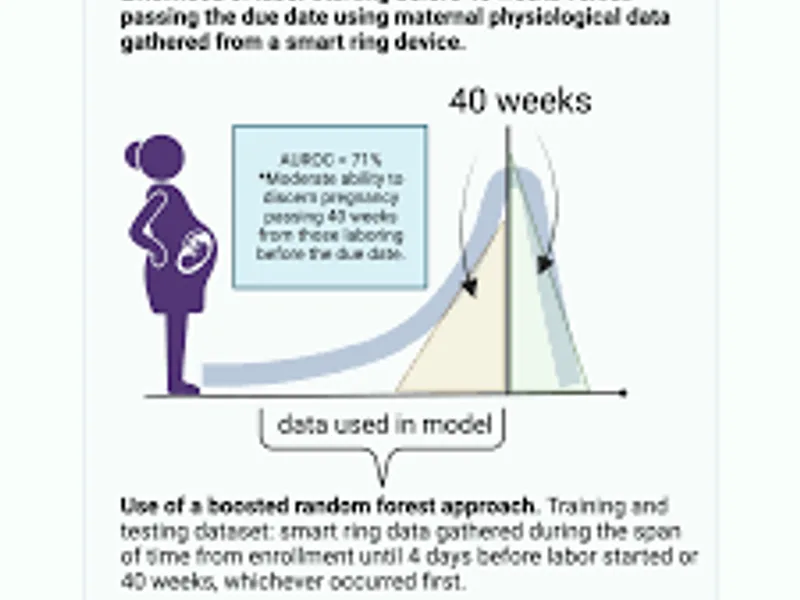
Going past your due date can feel like being stuck in a waiting room with no clock. This guide walks you through what actually happens during monitoring after due date pregnancy — the tests, the decisions, and the emotions nobody really prepares you for.
May 20, 2026
Going past your due date can feel like being stuck in a waiting room with no clock. This guide walks you through what actually happens during monitoring after due date pregnancy — the tests, the decisions, and the emotions nobody really prepares you for.
May 20, 2026
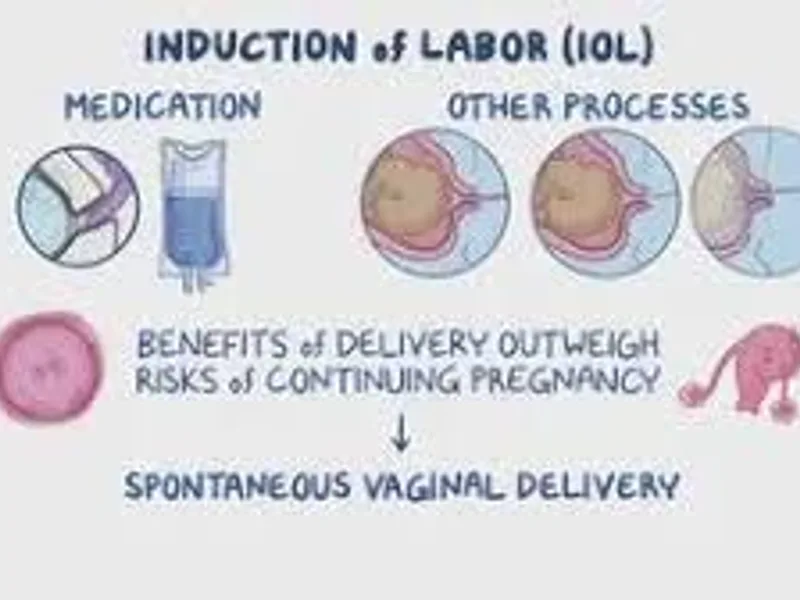
If you’re close to your due date and feeling stuck in waiting mode, this breaks down induction of labor methods in a way that actually makes sense. No jargon, no fluff—just what works, what doesn’t, and what it really feels like from a human perspective.
May 20, 2026