

Emergency & Help
24/7 Emergency & General Advisory
🚨 24/7 Medical Emergency
Non-Emergency Advisory
10:00 AM – 6:00 PM, Mon–Sat
For appointments & general queries.
24/7 Emergency & General Advisory
🚨 24/7 Medical Emergency
Non-Emergency Advisory
10:00 AM – 6:00 PM, Mon–Sat
For appointments & general queries.
Discover what to expect during your first month of pregnancy, from understanding gestational age and early fetal development to common symptoms like fatigue and bloating. Learn about baby's rapid growth and how to prepare for the journey ahead.

Congratulations on your positive pregnancy test! You've just embarked on one of the most incredible journeys of your life. As you stand at the starting line of this 40-week marathon, you're likely buzzing with a mix of excitement, anticipation, and perhaps a few questions. Welcome to the first month of pregnancy!
One of the first things you might notice is that '1 month pregnant' doesn't quite mean your baby is 4 weeks old. This can feel a little confusing, but it's a standard practice in obstetrics. Pregnancy is typically dated from the first day of your last menstrual period (LMP). Conception usually occurs about two weeks after your LMP. So, if you're considered 1 month pregnant, your baby, who is only about 2 weeks old, is still very, very tiny. This system ensures everyone is on the same page regarding milestones and development.
Think of it this way: Your due date is calculated as 40 weeks from the first day of your last period. This means the actual time your baby has been growing inside you will always be about two weeks less than your gestational age. It’s a convention that helps healthcare providers track your pregnancy smoothly.
Even though your baby is incredibly small at this stage – about the size of a poppy seed or a lentil, measuring around 6-7 millimeters – they are undergoing monumental development. Your fertilized egg has rapidly multiplied into what's called an embryo. This tiny cluster of cells is working tirelessly to form the foundations of all essential organ systems, including the brain, spinal cord, and heart. The placenta and umbilical cord are also beginning to form. These vital structures will soon work together to provide your baby with nutrients and oxygen throughout the pregnancy.
It's amazing to consider that by the end of your second month, this embryo will officially transition into a fetus, marking an even more advanced stage of development. For now, the focus is on establishing these critical early structures.
While the second month often brings a more noticeable wave of pregnancy symptoms, the first month isn't entirely symptom-free. Your body is already undergoing significant hormonal shifts to support the pregnancy. Here's what you might experience:
Pregnancy is demanding work, even in its earliest stages. The surge in hormones, particularly progesterone, can make you feel unusually tired. You might find yourself needing more sleep or feeling a general lack of energy. Listen to your body and prioritize rest whenever possible. This fatigue is a sign that your body is dedicating its resources to nurturing your developing baby.
Similar to premenstrual syndrome (PMS) symptoms, you might notice your breasts becoming tender, swollen, or more sensitive. Hormonal changes are responsible for these alterations, preparing your breasts for potential breastfeeding later on. Wearing a comfortable, supportive bra can help alleviate some discomfort.
It's common to experience bloating, much like you might before your period. This is due to hormonal changes affecting your digestive system. You might also feel mild cramps or a dull ache in your lower abdomen. This can be caused by your uterus starting to expand and adjust. Unless the pain is severe or accompanied by bleeding, it's usually nothing to worry about. However, always consult your doctor if you have concerns.
Real-life scenario: Priya, who just found out she's pregnant, mentioned to her sister, "I feel so bloated, and my jeans feel tighter already! I thought it was too early for a bump." Her sister reassured her, explaining that this is very common in early pregnancy due to hormonal shifts.
You might find yourself visiting the restroom more often than usual. As your body begins to produce more blood and fluids, your kidneys work overtime to process the extra waste. This increased need to urinate is a normal early pregnancy symptom.
The rapid hormonal fluctuations can sometimes lead to emotional ups and downs. You might feel more sensitive, irritable, or emotional than usual. Try to be kind to yourself during this time and communicate your feelings to your partner or a trusted friend.
You might look in the mirror and swear you see a tiny baby bump, even just one month in. While it's unlikely to be a discernible 'baby bump' from your growing uterus at this stage, it's often a combination of factors:
So, while it might not be entirely 'baby,' some abdominal swelling is perfectly normal.
While the first month of pregnancy is generally filled with excitement, it’s important to know when to seek medical advice. You should contact your doctor or healthcare provider immediately if you experience:
It's also essential to schedule your first prenatal appointment. This appointment is crucial for confirming your pregnancy, discussing your medical history, and establishing a care plan for the months ahead.
The first month is about establishing a healthy foundation. Focus on:
This is just the beginning of an extraordinary journey. Embrace the changes, listen to your body, and don't hesitate to reach out to your healthcare provider with any questions or concerns. You've got this!
No, at 1 month pregnant, your baby is far too small to be felt moving. You typically won't feel fetal movements until the second trimester, usually between 16 and 25 weeks of pregnancy.
Yes, for most women, moderate exercise is safe and even beneficial during early pregnancy. However, it's crucial to consult your doctor before starting or continuing any exercise routine. They can advise on safe activities and any necessary modifications.
While specific food restrictions often become more prominent later, it's wise to start avoiding raw or undercooked meats, poultry, seafood, and eggs. Also, limit caffeine intake and avoid unpasteurized dairy products and deli meats. Always wash fruits and vegetables thoroughly.
Visit Hospital
Near You
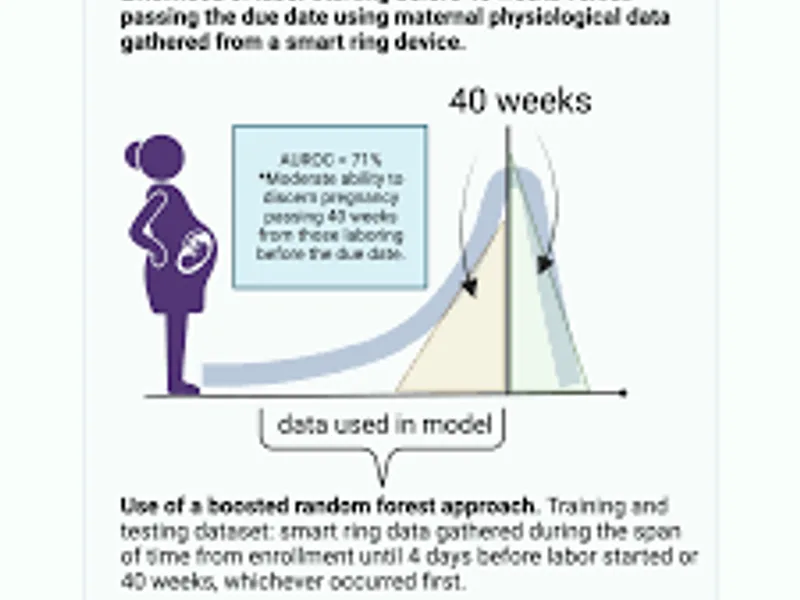
Going past your due date can feel like being stuck in a waiting room with no clock. This guide walks you through what actually happens during monitoring after due date pregnancy — the tests, the decisions, and the emotions nobody really prepares you for.
May 20, 2026
Going past your due date can feel like being stuck in a waiting room with no clock. This guide walks you through what actually happens during monitoring after due date pregnancy — the tests, the decisions, and the emotions nobody really prepares you for.
May 20, 2026
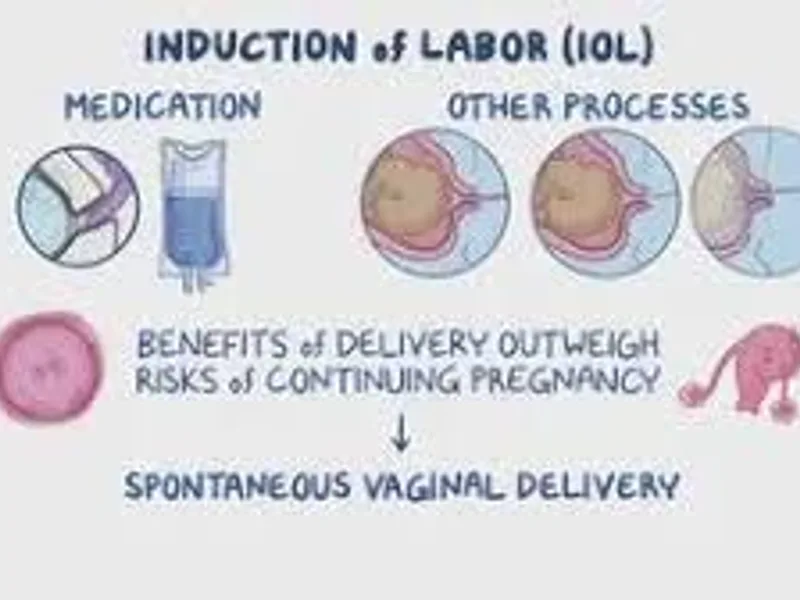
If you’re close to your due date and feeling stuck in waiting mode, this breaks down induction of labor methods in a way that actually makes sense. No jargon, no fluff—just what works, what doesn’t, and what it really feels like from a human perspective.
May 20, 2026