

Emergency & Help
24/7 Emergency & General Advisory
🚨 24/7 Medical Emergency
Non-Emergency Advisory
10:00 AM – 6:00 PM, Mon–Sat
For appointments & general queries.
24/7 Emergency & General Advisory
🚨 24/7 Medical Emergency
Non-Emergency Advisory
10:00 AM – 6:00 PM, Mon–Sat
For appointments & general queries.
Discover the benefits and safety of Pilates during pregnancy. Learn how it strengthens your body, prepares you for labor, aids recovery, and supports your baby's development. Find out essential precautions and how to get started.
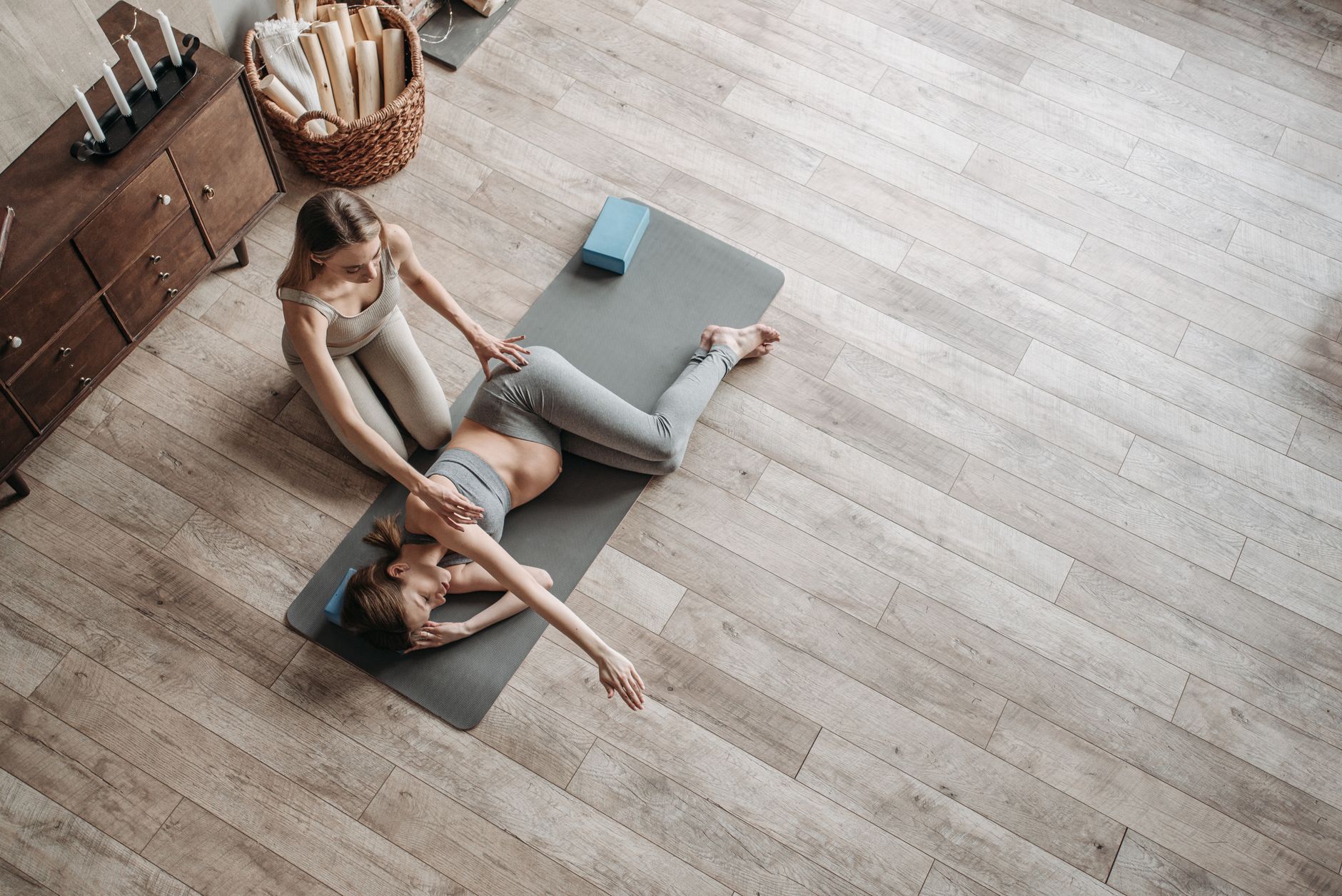
Embracing Movement: Pilates for a Healthier Pregnancy Pregnancy is a miraculous journey, a time of profound change and growth. As your body transforms to nurture a new life, maintaining physical activity becomes incredibly important. But what kind of exercise is safe, effective, and beneficial during this special time? Many expectant mothers are discovering the incredible advantages of Pilates. This gentle yet powerful exercise form can be a game-changer, supporting your body through every stage of pregnancy and preparing you for the incredible experience of labor and delivery, and even postpartum recovery. For centuries, Pilates has been celebrated for its ability to strengthen the core, improve posture, and enhance body awareness. Developed by Joseph Pilates in the early 20th century, this method focuses on controlled movements, precise alignment, and deep breathing. These principles translate beautifully to the needs of a pregnant body. Imagine moving with greater ease, experiencing less back pain, and feeling more connected to your changing body. That’s the promise of prenatal Pilates! But is it safe? Absolutely, when done correctly. Studies consistently show that physical exercise poses minimal risk during a healthy pregnancy. Pilates, with its emphasis on low-impact, joint-stabilizing movements, is particularly well-suited to address and alleviate many of the common aches and pains that arise during pregnancy. From the persistent lower back discomfort to the strain on your joints, Pilates offers a supportive solution. The benefits extend far beyond physical comfort. The mindful breathing techniques central to Pilates not only calm your nervous system, helping to regulate blood pressure, but also build the stamina and mental fortitude needed for labor and delivery. Think of it as building your inner strength, both physically and mentally, for the marathon ahead. Furthermore, research suggests that incorporating Pilates into your pregnancy routine can contribute to a smoother postpartum recovery, potentially reducing the need for interventions like C-sections, episiotomies, and even lowering the risk of preeclampsia. This is not just about the mother; the baby benefits too! When you exercise safely during pregnancy, your baby gets a head start. Studies indicate a reduced susceptibility to certain illnesses and even enhanced brain growth and development. It’s a win-win scenario, where nurturing yourself means nurturing your little one. Whether you were a seasoned athlete before pregnancy or new to the world of exercise, prenatal Pilates can be adapted to your needs. Its vast repertoire of exercises and modifications ensures that there’s a way to practice safely and effectively throughout all trimesters. However, it’s vital to remember that every pregnancy is unique. What works for one may not be ideal for another. Therefore, seeking guidance from a qualified instructor specializing in prenatal and postnatal Pilates is paramount. They can tailor the practice to your specific needs and ensure you’re performing movements safely. Why Choose Pilates During Pregnancy? The Incredible Benefits Pregnancy is a time of immense physiological change. Your body is working overtime to support a growing baby. Blood volume increases, your heart rate and cardiac output rise, and you might find yourself feeling short of breath more often. These changes, while natural, can be taxing. Pilates addresses these shifts head-on, offering support and enhancement through mindful movement and breathwork. Physical Advantages for Mom and Baby Preparation for Labor and Delivery: Pilates strengthens the muscles essential for childbirth, particularly the pelvic floor and core. This preparation can lead to a more manageable labor and delivery experience. Enhanced Recovery: By building core strength and body awareness, prenatal Pilates can significantly aid in postpartum recovery, helping your body regain its strength and tone more efficiently. Pelvic Floor Health: Pregnancy and childbirth can impact the pelvic floor. Pilates exercises focus on strengthening and coordinating these muscles, which is vital for urinary continence and overall pelvic health. Managing Diastasis Recti: This common condition, where the abdominal muscles separate during pregnancy, can be managed and often prevented with targeted Pilates exercises that focus on deep core engagement without undue strain. Reduced Aches and Pains: The increased joint mobility due to pregnancy hormones, coupled with a shifting center of gravity, can lead to back pain, hip pain, and other discomforts. Pilates helps to stabilize joints, improve posture, and alleviate these common complaints. Improved Sleep: Regular, safe exercise like Pilates can contribute to better sleep quality, a welcome benefit for many expectant mothers. Baby's Development: Exercise during pregnancy has been linked to positive outcomes for the baby, including a lower risk of certain illnesses and improved cognitive development. The Power of Breath The emphasis on breath in Pilates is more than just about getting air into your lungs. Diaphragmatic breathing, a cornerstone of Pilates, helps calm the nervous system. This mindful breathing can lower blood pressure and reduce stress levels. Moreover, it builds the stamina and mental focus required to navigate the intense physical and emotional demands of labor and delivery. Learning to breathe deeply and consciously is a powerful tool for any expectant mother. Precautions and Considerations for Prenatal Pilates While the benefits are abundant, safety is always the top priority during pregnancy. Your body undergoes significant changes, and it’s essential to approach exercise with awareness and care. Hormonal Changes and Joint Laxity During pregnancy, your body produces hormones like relaxin, which help to relax the ligaments and connective tissues around your joints. This increased mobility is necessary to accommodate your growing baby and prepare for birth. However, it also means your joints are less stable. Pilates, when performed with proper form and by a knowledgeable instructor, can help stabilize these joints. But it’s crucial to avoid overstretching or pushing your body beyond its limits. Hydration and Temperature Regulation With increased blood flow and respiratory changes, staying hydrated is paramount. Avoid overheating during your workouts. Listen to your body and take breaks as needed. Opt for comfortable, breathable clothing. Modifications for Every Trimester As your pregnancy progresses, your body’s needs change. The first trimester might feel much like your pre-pregnancy routine, but as your belly grows, modifications become essential. Lying flat on your back for extended periods is generally discouraged after the first trimester due to pressure on a major blood vessel. A qualified prenatal Pilates instructor will be adept at providing appropriate modifications for each stage, ensuring your safety and comfort. When to Exercise Caution or Avoid Pilates Not all pregnancies are the same. If you have a high-risk pregnancy, it’s essential to consult your healthcare provider before starting or continuing any exercise program. Certain conditions, such as placenta previa, a history of preterm labor, certain heart or lung conditions, or unexplained vaginal bleeding, may mean that exercise is contraindicated. Always discuss your fitness plans with your doctor or midwife. Getting Started with Prenatal Pilates Ready to experience the benefits of Pilates during your pregnancy? Here’s how to get started safely and effectively: Consult Your Doctor: This is the non-negotiable first step. Get clearance from your healthcare provider before beginning any new exercise program while pregnant. Find a Qualified Instructor: Look for instructors who are certified in prenatal and postnatal Pilates. They understand the specific needs and precautions required for pregnant individuals. Ask about their experience and training. Start Slowly: If you’re new to Pilates, begin with beginner-level classes. Allow your body to adapt to the movements and principles of Pilates. Listen to Your Body: This is the most important rule. Pay attention to any signals your body sends. Discomfort or pain means you should stop the exercise immediately. Stay Hydrated: Drink plenty of water before, during, and after your workout. Focus on Breath: Connect with your breath throughout the practice. It’s your guide and your anchor. Avoid Certain Positions: As mentioned, avoid lying flat on your back for extended periods after the first trimester. Also, steer clear of exercises that put excessive pressure on your abdomen or involve deep twists. Frequently Asked Questions (FAQ) Can I do Pilates if I’ve never done it before? Yes! Prenatal Pilates classes are often designed for beginners. A good instructor will guide you through modifications suitable for your current fitness level and pregnancy stage. How often should I do Pilates during pregnancy? Typically, 2-3 times per week is recommended. However, this can vary based on your individual fitness level, your doctor’s advice, and how your body feels. Consistency is key, but listen to your body’s signals. Are there any exercises I must avoid? Generally, avoid lying flat on your back for prolonged periods (after the first trimester), high-impact movements, exercises that put direct pressure on the abdomen, deep spinal twists, and any exercise that causes pain or discomfort. Always follow your instructor’s guidance and your doctor’s advice. When can I start Pilates after giving birth? Most women can gradually return to exercise, including Pilates, about 6 weeks after a vaginal birth or 8-12 weeks after a C-section, provided they have clearance from their doctor. Postnatal Pilates focuses on rebuilding core strength and addressing common postpartum issues. Conclusion: Empower Your Pregnancy with Pilates Pregnancy is a time of incredible transformation, and Pilates offers a wonderful way to support your body, mind, and baby
In summary, timely diagnosis, evidence-based treatment, and prevention-focused care improve long-term health outcomes.
Visit Hospital
Near You

Going past your due date can feel like being stuck in a waiting room with no clock. This guide walks you through what actually happens during monitoring after due date pregnancy — the tests, the decisions, and the emotions nobody really prepares you for.
May 20, 2026
Going past your due date can feel like being stuck in a waiting room with no clock. This guide walks you through what actually happens during monitoring after due date pregnancy — the tests, the decisions, and the emotions nobody really prepares you for.
May 20, 2026

If you’re close to your due date and feeling stuck in waiting mode, this breaks down induction of labor methods in a way that actually makes sense. No jargon, no fluff—just what works, what doesn’t, and what it really feels like from a human perspective.
May 20, 2026