

Emergency & Help
24/7 Emergency & General Advisory
🚨 24/7 Medical Emergency
Non-Emergency Advisory
10:00 AM – 6:00 PM, Mon–Sat
For appointments & general queries.
24/7 Emergency & General Advisory
🚨 24/7 Medical Emergency
Non-Emergency Advisory
10:00 AM – 6:00 PM, Mon–Sat
For appointments & general queries.
Discover safe and effective Pilates exercises to alleviate back pain during pregnancy. Learn modifications for each trimester and when to seek professional help.
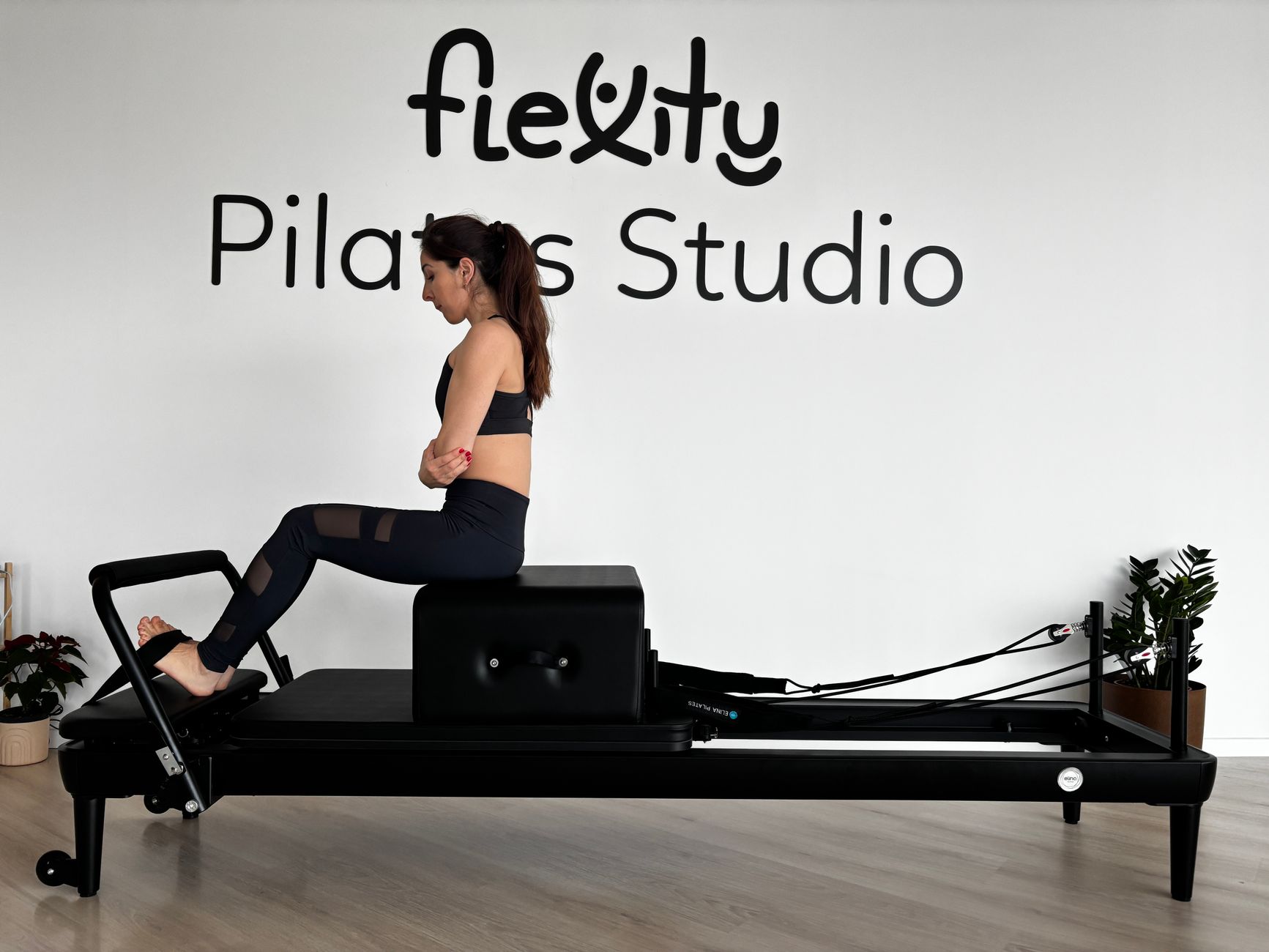
Pregnancy is a beautiful journey, but it often comes with its share of discomforts. One of the most common complaints is back pain. As your body changes to accommodate your growing baby, hormones like relaxin loosen your ligaments, and your posture shifts. This can lead to pain in your lower back, sacroiliac joints, upper back, and even your pubic bone. If you're an active individual who loves Pilates, you might wonder how to adapt your favorite exercises to be safe and effective during pregnancy. This guide offers modifications and pregnancy-safe Pilates-based movements to help alleviate your back pain.
Back pain during pregnancy can manifest in various ways and locations. It might feel like a dull ache, a sharp stab, or a persistent soreness. The hormonal shifts, particularly the increase in relaxin, play a significant role by making your pelvic joints more mobile. As your baby grows, your center of gravity shifts forward, forcing you to adjust your posture, often leading to increased strain on your lower back. Even familiar exercises for strengthening your glutes and core might need significant modification because certain movements can put undue stress on your changing body.
Consider Sarah, a fitness enthusiast in her second trimester. She started experiencing sharp pains in her lower back and the front of her pelvis. Her usual glute exercises, which she found so beneficial before pregnancy, now seemed to aggravate the pain. She felt stuck, wanting to stay active but unsure how to modify her routine safely.
Pilates is renowned for its focus on core strength, posture, and controlled movements. These principles are incredibly beneficial for managing pregnancy-related back pain. When adapted correctly, Pilates can help:
It's essential to approach any exercise program during pregnancy with caution. Always consult your doctor or a physical therapist specializing in prenatal care before starting or modifying your routine. They can assess your specific condition and recommend the most suitable exercises for you.
Good upper back posture is vital for counteracting the forward pull of the growing uterus. These exercises help strengthen the muscles that support your upper back and shoulders.
A stable pelvis is key to reducing pain, especially in the lower back and pubic area. These exercises focus on strengthening the muscles that stabilize your pelvis without causing excessive movement.
Gentle stretching can relieve tension in the lower back and hips, areas that often become tight during pregnancy.
While these exercises can be beneficial, it's crucial to listen to your body. Seek professional advice if you experience any of the following:
A healthcare professional can accurately diagnose the cause of your back pain and create a personalized exercise plan tailored to your needs and stage of pregnancy.
Incorporating regular, pregnancy-safe exercise is a powerful way to prevent and manage back pain. Other preventive measures include:
Yes, many Pilates exercises can be modified to be safe throughout all trimesters of pregnancy. However, it's vital to get clearance from your doctor and work with a prenatal-qualified instructor who can guide you on appropriate modifications.
You should stop exercising and consult your doctor if you experience any warning signs such as vaginal bleeding, dizziness, chest pain, shortness of breath before exertion, headache, calf pain or swelling, or premature labor.
Traditional core exercises like crunches are generally not recommended during pregnancy. Pilates focuses on deeper core muscles like the pelvic floor and transverse abdominis, which can be strengthened safely with modifications. Avoid exercises that cause 'coning' or 'doming' of your abdomen.
Visit Hospital
Near You
Going past your due date can feel like being stuck in a waiting room with no clock. This guide walks you through what actually happens during monitoring after due date pregnancy — the tests, the decisions, and the emotions nobody really prepares you for.
May 20, 2026
Going past your due date can feel like being stuck in a waiting room with no clock. This guide walks you through what actually happens during monitoring after due date pregnancy — the tests, the decisions, and the emotions nobody really prepares you for.
May 20, 2026
If you’re close to your due date and feeling stuck in waiting mode, this breaks down induction of labor methods in a way that actually makes sense. No jargon, no fluff—just what works, what doesn’t, and what it really feels like from a human perspective.
May 20, 2026