

Emergency & Help
24/7 Emergency & General Advisory
🚨 24/7 Medical Emergency
Non-Emergency Advisory
10:00 AM – 6:00 PM, Mon–Sat
For appointments & general queries.
24/7 Emergency & General Advisory
🚨 24/7 Medical Emergency
Non-Emergency Advisory
10:00 AM – 6:00 PM, Mon–Sat
For appointments & general queries.
Learn about Pitocin induction for labor in India, including its benefits, risks, and what to expect during the process. Make informed decisions with your doctor.

Understanding Pitocin Induction: A Guide for Expectant Mothers in India Bringing a new life into the world is a joyous occasion, and for many expectant mothers in India, the journey to childbirth involves various medical interventions. One such intervention is labor induction, and Pitocin is a commonly used medication for this purpose. Pitocin is a synthetic version of oxytocin, a hormone naturally produced by the body that plays a crucial role in triggering labor contractions. While Pitocin can be a valuable tool when medically necessary, it's essential for expecting mothers to understand both its potential benefits and risks. This guide aims to provide clear, practical information for Indian readers about Pitocin induction. What is Pitocin and How Does it Work? Pitocin is administered intravenously (IV) through a drip in your arm. The dosage is gradually increased by your healthcare provider until you begin experiencing regular contractions, typically occurring every 2 to 3 minutes. The goal is to mimic the natural labor process, stimulating your uterus to contract and dilate the cervix, preparing for the baby's arrival. The process usually begins about 30 minutes after the Pitocin drip is started. When is Pitocin Induction Recommended? Pitocin induction is not undertaken lightly. It is usually considered when the benefits of delivering the baby outweigh the risks of continuing the pregnancy. Common reasons for induction include: Post-term Pregnancy: When the pregnancy extends beyond the due date, induction may be recommended to avoid potential complications associated with prolonged gestation. Medical Complications: Conditions such as high blood pressure (hypertension), preeclampsia, or infections in the mother can necessitate an early delivery. Ruptured Membranes Without Labor: If your water breaks but labor does not start spontaneously within a certain timeframe, Pitocin may be used to initiate contractions. Stalled Labor: If labor progresses slowly or stops altogether, Pitocin can help to re-establish contractions. Fetal Concerns: In some cases, concerns about the baby's well-being in the womb may prompt an induction. The Importance of a 'Favorable' Cervix A crucial factor before starting a Pitocin induction is the readiness of your cervix. A 'favorable' cervix is one that has begun to soften, thin out (efface), and open (dilate). It also typically rotates to face forward. If your cervix is still closed, thick, and high, Pitocin alone may not be effective because it stimulates contractions but doesn't directly cause cervical changes. In such cases, your doctor might first use a cervical ripening agent to prepare the cervix before administering Pitocin. A Bishop score is often used by doctors to assess cervical readiness; a score below six may indicate that the cervix is not yet ready for induction. Benefits of Pitocin Induction When medically indicated, Pitocin induction offers several advantages: Timely Delivery: Ensures the baby is delivered when it's deemed safest for both mother and child. Reduced Risk of C-Section (in some cases): Studies suggest that for women at term or post-term, induction might lead to a lower risk of Cesarean delivery compared to waiting for spontaneous labor. Management of Complications: Helps manage and mitigate risks associated with conditions like high blood pressure or infections. Prevention of Prolonged Pregnancy Issues: Avoids potential problems that can arise from carrying the baby for too long. Potential Risks and Side Effects of Pitocin Induction While beneficial, Pitocin induction is not without its risks. It's important to be aware of these potential drawbacks: Hyperstimulation: Pitocin can sometimes cause contractions that are too frequent or too strong. This can lead to reduced blood flow to the baby and distress. Your nurse will closely monitor your contractions and the baby's heart rate to manage this. Uterine Rupture: Though rare, there is a small risk of the uterus tearing, especially in women with previous uterine surgeries. Increased Need for Pain Relief: Pitocin-induced contractions can sometimes be more intense than natural labor contractions, potentially increasing the need for epidurals or other pain management options. Fetal Distress: Overly strong or frequent contractions can sometimes cause the baby's heart rate to drop, indicating distress. Postpartum Hemorrhage: Some studies suggest a slightly increased risk of heavy bleeding after delivery (postpartum hemorrhage) following Pitocin induction. Interference with Rest: The continuous monitoring required means you'll likely need to stay in bed, and the intensity of contractions might make resting difficult, leading to fatigue for both mother and baby. Dietary Restrictions: Due to the risk of needing an emergency Cesarean delivery, you will likely not be allowed to eat during the induction process. The Induction Process: What to Expect If Pitocin induction is recommended, here's a general idea of what to expect: Cervical Assessment: Your doctor will first check your cervix to see if it's ready for labor. Cervical Ripening (if needed): If your cervix isn't favorable, a medication like prostaglandins might be used to help it dilate and soften. This can take several hours. Pitocin Administration: Once your cervix is ready, the Pitocin IV will be started and gradually increased. Continuous Monitoring: Throughout the process, your contractions and the baby's heart rate will be continuously monitored using electronic fetal monitoring. Adjustment of Pitocin: The Pitocin dosage may be adjusted based on your contraction pattern and the baby's response. It might be increased, decreased, or temporarily stopped if contractions become too strong or too close together. Labor Progression: The aim is to achieve regular, effective contractions that lead to cervical dilation and the birth of your baby. When to Consult a Doctor It is crucial to
In summary, timely diagnosis, evidence-based treatment, and prevention-focused care improve long-term health outcomes.
Visit Hospital
Near You

Going past your due date can feel like being stuck in a waiting room with no clock. This guide walks you through what actually happens during monitoring after due date pregnancy — the tests, the decisions, and the emotions nobody really prepares you for.
May 20, 2026
Going past your due date can feel like being stuck in a waiting room with no clock. This guide walks you through what actually happens during monitoring after due date pregnancy — the tests, the decisions, and the emotions nobody really prepares you for.
May 20, 2026
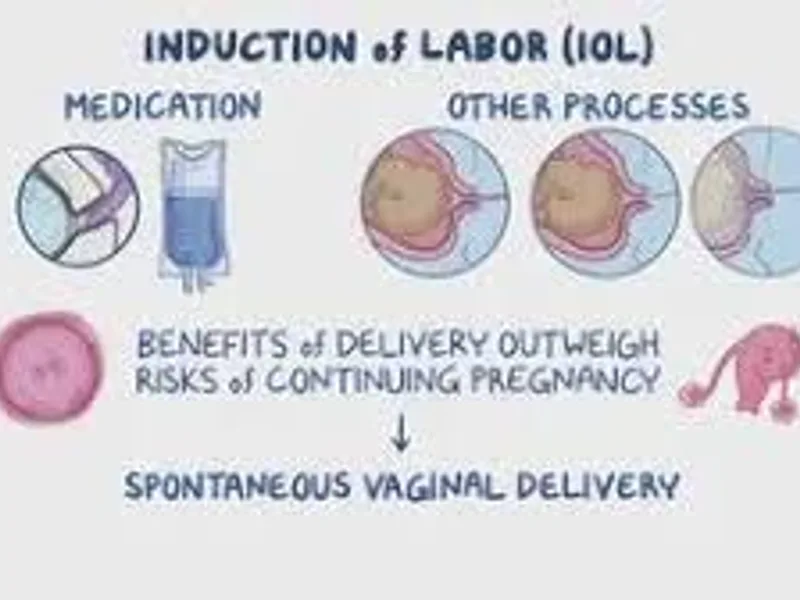
If you’re close to your due date and feeling stuck in waiting mode, this breaks down induction of labor methods in a way that actually makes sense. No jargon, no fluff—just what works, what doesn’t, and what it really feels like from a human perspective.
May 20, 2026