

Emergency & Help
24/7 Emergency & General Advisory
🚨 24/7 Medical Emergency
Non-Emergency Advisory
10:00 AM – 6:00 PM, Mon–Sat
For appointments & general queries.
24/7 Emergency & General Advisory
🚨 24/7 Medical Emergency
Non-Emergency Advisory
10:00 AM – 6:00 PM, Mon–Sat
For appointments & general queries.
Found out you're pregnant? Congratulations! Discover the essential next steps, from confirming your pregnancy and understanding your emotions to scheduling your first prenatal appointment and self-care tips.

Discovering you're pregnant can bring a whirlwind of emotions – excitement, joy, perhaps a little bit of shock, and a whole lot of questions. You've seen that positive line on the test, and now you're probably wondering, "What comes next?" It's completely normal to feel a mix of feelings; you might be overjoyed one moment and feeling overwhelmed the next. Even if you and your partner have been trying to conceive, that positive result can still feel like a significant surprise. Many women even take a second or third test just to be absolutely sure!
Home pregnancy tests are remarkably accurate, typically around 97 percent effective according to experts. However, your doctor or midwife might perform an in-office blood test, which is even more accurate, nearing 99 percent. These tests measure the exact amount of a hormone called human chorionic gonadotropin (hCG) in your blood.
This guide is designed to walk you through the initial steps after a positive pregnancy test, offering practical advice and reassurance for navigating this exciting new chapter. We'll cover everything from confirming the pregnancy to scheduling your first prenatal appointment and taking care of yourself during these early weeks.
While home pregnancy tests are reliable, you might still have lingering doubts. If you're unsure about the results, taking another test is a common and sensible step. If you continue to feel uncertain, or if you have any concerns, contacting your doctor or midwife for confirmation is always a good idea. They can perform tests that provide a definitive answer.
It's worth noting that false positives, though rare, can occur. These might be linked to chemical pregnancies (a very early miscarriage), recent miscarriages, or certain medications and medical conditions. If you've experienced any of these, discussing them with your healthcare provider is important.
A positive pregnancy test is a life-changing event, and experiencing a wide range of emotions is not just normal, it's expected. You might feel an immediate surge of happiness, followed by anxiety about the future, or even a sense of disbelief. Allow yourself to feel whatever comes up, without judgment. Talking about your feelings with a trusted partner, friend, or family member can be incredibly helpful. Sometimes, just sharing the news and your emotions with someone close can provide immense comfort and support.
For instance, imagine Sarah, who just saw a positive test after months of trying. She's thrilled but also a bit scared about how her career will be affected. Sharing these mixed feelings with her supportive husband helps her feel less alone and more prepared to face the next steps.
If you decide to continue with the pregnancy, the most critical next step is to schedule your first prenatal care appointment. This appointment is essential for ensuring a healthy pregnancy for both you and your baby. Different healthcare providers have varying guidelines for when they prefer you to come in. Some may want to see you around 8 weeks of pregnancy, while others might suggest coming in sooner.
During this initial visit, your healthcare provider will typically:
Your provider will also discuss your options regarding prenatal care. Some women prefer to see an OB-GYN (Obstetrician-Gynecologist), while others opt for care from a certified nurse-midwife. Research suggests that care from midwives can lead to higher rates of vaginal births, lower rates of preterm birth, and increased patient satisfaction.
Your first prenatal visit is comprehensive and designed to establish a baseline for your health and the health of your developing baby. You can anticipate the following:
The first few weeks of pregnancy are a critical time for your baby's development. Here are some key self-care tips:
Deciding when and how to share your pregnancy news is a personal choice. Some people prefer to announce it right away, while others wait until after the first trimester (around 12 weeks), when the risk of miscarriage decreases. There's no right or wrong way to do it. Share your news when you feel ready and comfortable.
Reach out to your partner, close friends, or family members first for support. Celebrating this milestone with loved ones can be a wonderful experience.
While most pregnancies progress smoothly, it's important to know when to contact your doctor immediately. Seek urgent medical attention if you experience:
Disclaimer: This information is intended for general knowledge and informational purposes only, and does not constitute medical advice. It is essential to consult with a qualified healthcare professional for any health concerns or before making any decision related to your health or treatment.
Q1: How accurate are home pregnancy tests?
A1: Home pregnancy tests are highly accurate, typically around 97% effective when used correctly. Blood tests performed by a doctor are even more accurate, at about 99%.
Q2: Can I take a pregnancy test too early?
A2: Taking a test too early, before your missed period, might lead to a false negative result because hCG levels may not be high enough to detect. It's best to wait until after your period is due.
Q3: What should I do if I have a positive test but my period is still not here?
A3: This could indicate a very early pregnancy or a chemical pregnancy. It's advisable to consult your doctor or midwife for confirmation and guidance.
Q4: Is it normal to have mixed emotions after a positive pregnancy test?
A4: Absolutely. It's very common to feel a wide range of emotions, from excitement to anxiety. Allow yourself time to process the news.
Q5: When should I schedule my first prenatal appointment?
A5: Your healthcare provider will guide you, but typically the first appointment is scheduled between 6 to 10 weeks of pregnancy. Contact your provider soon after getting a positive result to schedule it.
Visit Hospital
Near You
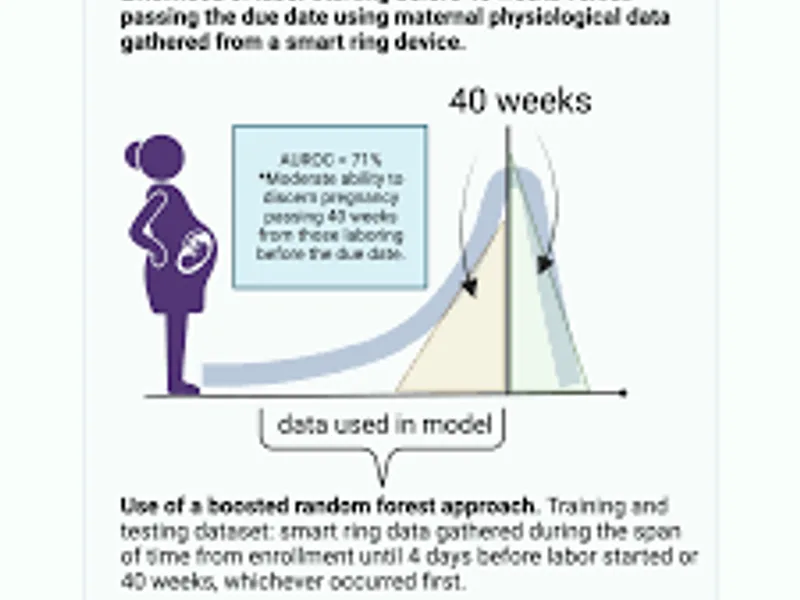
Going past your due date can feel like being stuck in a waiting room with no clock. This guide walks you through what actually happens during monitoring after due date pregnancy — the tests, the decisions, and the emotions nobody really prepares you for.
May 20, 2026
Going past your due date can feel like being stuck in a waiting room with no clock. This guide walks you through what actually happens during monitoring after due date pregnancy — the tests, the decisions, and the emotions nobody really prepares you for.
May 20, 2026
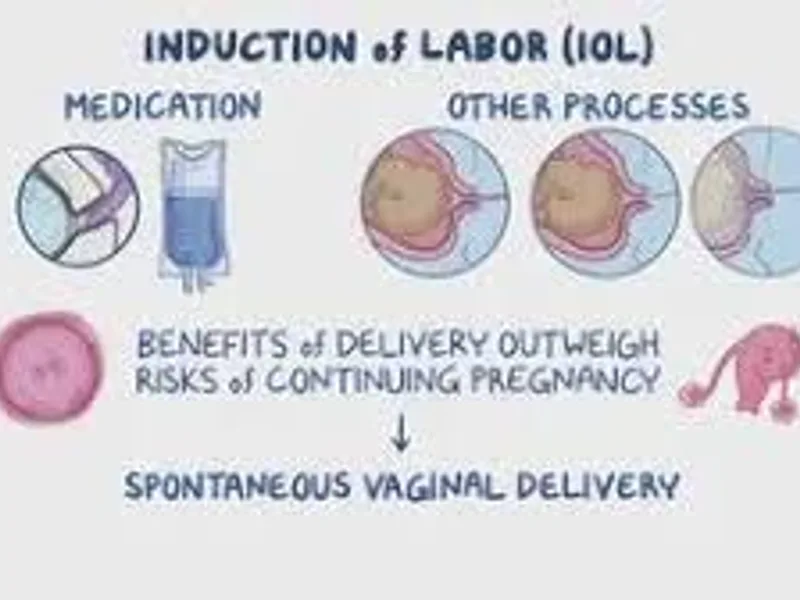
If you’re close to your due date and feeling stuck in waiting mode, this breaks down induction of labor methods in a way that actually makes sense. No jargon, no fluff—just what works, what doesn’t, and what it really feels like from a human perspective.
May 20, 2026