

Emergency & Help
24/7 Emergency & General Advisory
🚨 24/7 Medical Emergency
Non-Emergency Advisory
10:00 AM – 6:00 PM, Mon–Sat
For appointments & general queries.
24/7 Emergency & General Advisory
🚨 24/7 Medical Emergency
Non-Emergency Advisory
10:00 AM – 6:00 PM, Mon–Sat
For appointments & general queries.
Discover how power pumping can help increase your breast milk supply by mimicking cluster feeding. Learn the schedule, benefits, and when to seek professional advice.

As a new mother, breastfeeding your baby is a journey filled with immense joy and profound bonding. You’ve likely heard about the incredible health benefits breastfeeding offers your little one, from protection against infections to a reduced risk of childhood obesity. These benefits can be a powerful motivator. However, the reality of breastfeeding isn’t always a smooth, magical experience. Many mothers face challenges, and one of the most common and disheartening is a perceived drop in milk supply. This can feel like a major hurdle, making feeding difficult or even impossible. But before you feel disheartened, know that there are effective strategies to help you reclaim your milk production. One such technique gaining attention is power pumping. This method aims to mimic your baby’s natural feeding patterns to encourage your body to produce more milk. Let’s explore what power pumping is, how it works, and if it’s the right solution for you.
Power pumping is a breastfeeding technique designed to simulate cluster feeding. Cluster feeding is when a baby nurses frequently for a short period, often in the evening. This pattern signals to your body that there's an increased demand for milk, prompting it to ramp up production. By replicating this demand through a specific pumping schedule, power pumping encourages your breasts to produce more milk naturally. It’s a way to give your milk supply a boost when it seems to be lagging behind your baby’s needs.
Understanding the reasons behind a dip in milk supply can be helpful. Several factors can contribute to this:
A common scenario many mothers face is returning to work. Sarah, a marketing executive, found her milk supply dwindling after her maternity leave ended. She was pumping only twice at work, a significant drop from the 6-7 times she was feeding her baby directly. The stress of juggling work and pumping, coupled with fewer sessions, led to a noticeable decrease, causing her significant worry about providing enough milk for her son.
The core principle behind power pumping is to send a strong signal to your body to produce more milk by mimicking the demand of frequent nursing. It involves pumping for short, intense bursts followed by rest periods, all within a concentrated timeframe. This process is repeated multiple times in a single session. The aim is to trick your body into thinking it needs to make more milk, much like a baby going through a growth spurt and nursing more often.
Cluster feeding is a natural behaviour in infants, especially in the early weeks and months. Babies might nurse 8 to 12 times a day in the first month, and this can continue to be frequent, around 7 to 9 times a day, by the second month. This isn’t because they’re always hungry; it’s often their way of stimulating milk production to match their growing needs. Power pumping essentially replicates the effect of this frequent stimulation.
A common and effective power pumping schedule involves dedicating about an hour to the process. While the exact duration can vary based on individual response, a typical session looks like this:
This cycle totals 50 minutes of pumping and 20 minutes of rest, fitting within an hour. Many mothers find it beneficial to do this once a day, ideally in the morning when milk supply is often highest. However, some may need to power pump for up to two hours a day, or do multiple sessions, to see significant results. Consistency is key, and it might take several days to a week or longer to notice an increase in your milk supply.
Power pumping is primarily recommended for mothers who are experiencing a decrease in their milk supply or wish to increase it. This could be due to reasons mentioned earlier, such as returning to work, infrequent pumping, or other factors affecting production. It is a natural method that does not involve supplements or medications, making it an attractive option for many.
It’s important to note that power pumping is not for everyone. If your body is already producing enough milk to meet your baby’s demands, attempting power pumping could lead to oversupply. Oversupply can also cause discomfort, such as engorgement, and lead to issues like blocked ducts or mastitis. If you are happy with your current milk supply, it’s best to stick with your established feeding and pumping routine.
The timeline for seeing an increase in milk supply with power pumping can vary greatly from one woman to another. Some mothers report noticing a difference in as little as one to two days. For others, it might take a week or even longer. Patience and consistency are crucial. Continue with the schedule daily, and monitor your baby’s cues and your own comfort levels.
Power pumping is generally considered safe as it uses your body’s natural processes. Unlike some supplements or medications that aim to increase milk supply, power pumping doesn’t come with the risk of side effects like restlessness, headaches, sleep disturbances, or nausea. However, it does require a significant time commitment, which can be challenging for busy mothers. It’s also essential to use a good quality breast pump and ensure a proper flange fit to avoid nipple pain or damage.
While power pumping is effective, it’s not the only way to boost milk supply. Other methods include:
If you are concerned about your milk supply, it’s always a good idea to seek professional help. A lactation consultant (IBCLC) can assess your situation, check your baby’s latch, and provide personalized advice. They can help determine if power pumping is right for you or suggest alternative strategies. Also, consult your doctor or a pediatrician if you have any underlying health concerns that might be affecting your supply or if you notice any issues with your baby’s growth or hydration.
While possible, power pumping is most effective and less taxing with an electric double breast pump. Manual pumping requires more effort and can be tiring to sustain for the required durations. An electric pump allows you to pump both breasts simultaneously and frees up your hands.
It's important to remember that every woman's body is different. If you haven't seen a significant increase after a week of consistent power pumping, it might be time to consult a lactation consultant. They can help identify potential barriers and tailor a plan specific to your needs. Sometimes, other factors like latch issues or dietary deficiencies might be at play.
Power pumping itself should not be painful. However, if you experience discomfort, it could be due to an improper flange size on your breast pump or pumping too intensely. Ensure your pump's flange fits well, and if pain persists, stop and consult with a lactation consultant or your doctor.
Visit Hospital
Near You

Going past your due date can feel like being stuck in a waiting room with no clock. This guide walks you through what actually happens during monitoring after due date pregnancy — the tests, the decisions, and the emotions nobody really prepares you for.
May 20, 2026
Going past your due date can feel like being stuck in a waiting room with no clock. This guide walks you through what actually happens during monitoring after due date pregnancy — the tests, the decisions, and the emotions nobody really prepares you for.
May 20, 2026
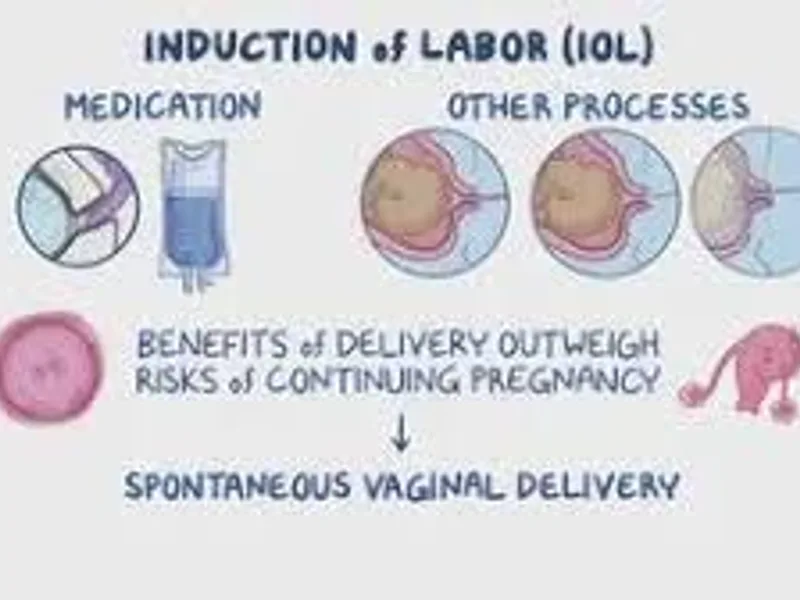
If you’re close to your due date and feeling stuck in waiting mode, this breaks down induction of labor methods in a way that actually makes sense. No jargon, no fluff—just what works, what doesn’t, and what it really feels like from a human perspective.
May 20, 2026