

Emergency & Help
24/7 Emergency & General Advisory
🚨 24/7 Medical Emergency
Non-Emergency Advisory
10:00 AM – 6:00 PM, Mon–Sat
For appointments & general queries.
24/7 Emergency & General Advisory
🚨 24/7 Medical Emergency
Non-Emergency Advisory
10:00 AM – 6:00 PM, Mon–Sat
For appointments & general queries.
Expecting? Wondering if cream cheese is safe during pregnancy? Learn why it's generally safe, what to look for, and nutritional tips for enjoying this creamy treat.
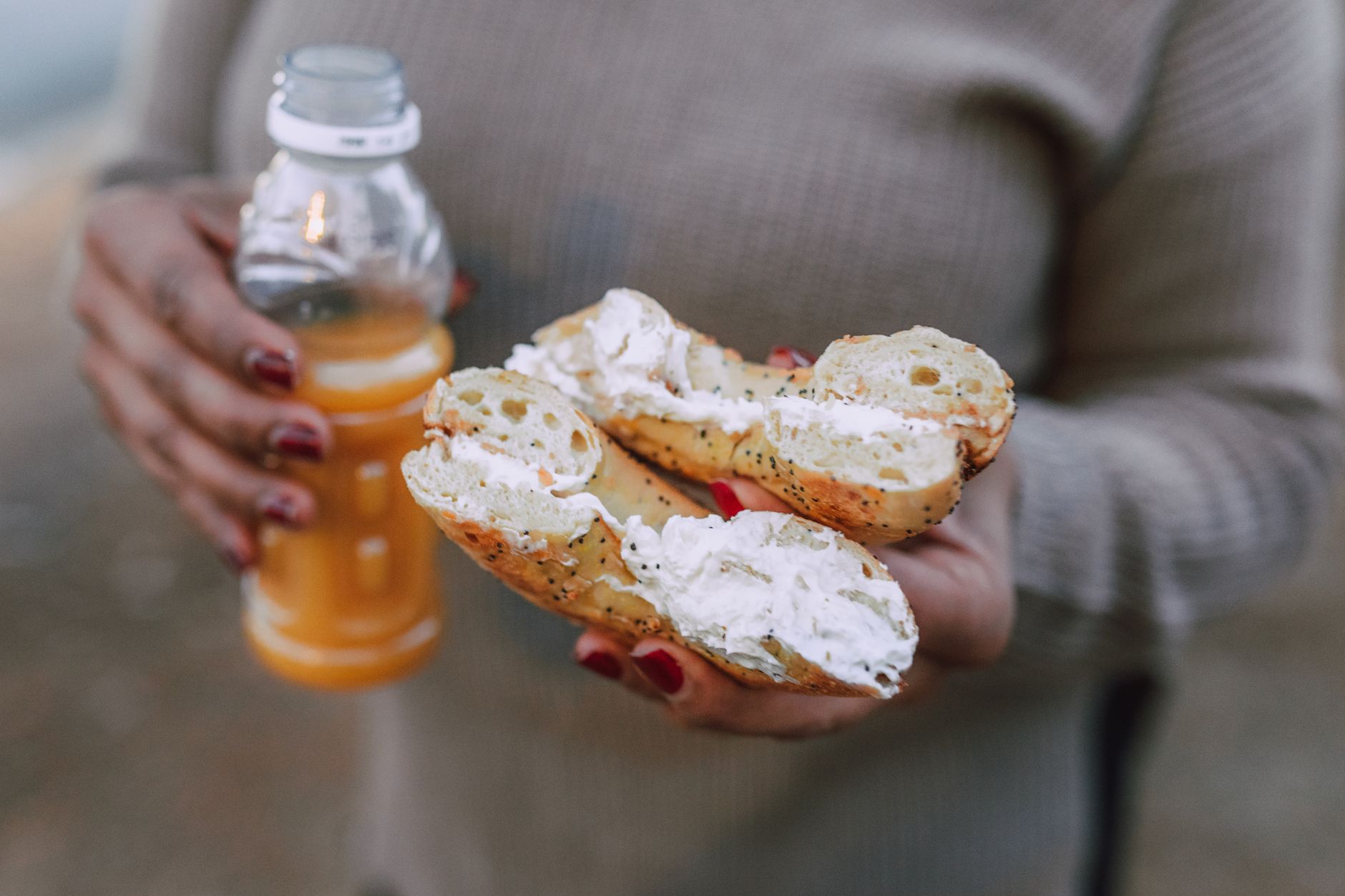
Expecting a baby is a time filled with joy, anticipation, and often, a whole lot of questions about what you can and cannot eat. Many pregnant individuals have heard the general advice to steer clear of soft cheeses, which can lead to confusion when a delicious craving for something creamy hits. If you're a fan of bagels with cream cheese or love incorporating it into your baking, you might be wondering: Is cream cheese safe to eat during pregnancy?
The good news is, for the most part, yes, you can enjoy cream cheese while pregnant! This might come as a relief to many, especially those who find their cravings intensifying during these nine months. However, like many foods during pregnancy, there are a few important points to keep in mind to ensure both your health and your baby's well-being. Let's explore why cream cheese is generally considered safe and what precautions you should take.
The primary concern with certain cheeses during pregnancy is the risk of listeriosis, a serious infection caused by the bacterium Listeria monocytogenes. This bacteria can be found in unpasteurized dairy products, deli meats, and other foods. Pregnant individuals are particularly vulnerable to listeria infection because their immune systems are naturally suppressed to protect the developing fetus. Listeriosis can lead to severe complications, including miscarriage, stillbirth, premature delivery, and serious health problems for the newborn.
This is why health authorities often advise pregnant women to avoid soft cheeses like Brie, Camembert, feta, and blue cheese, especially if they are made from unpasteurized milk. These cheeses, particularly those made in traditional ways with raw milk, can sometimes harbor listeria.
Here’s where cream cheese often sparks confusion. It has a soft, spreadable texture, leading some to believe it falls into the same category as other unadvisable soft cheeses. However, the key difference lies in how American-style cream cheese is made. The manufacturing process for most commercially produced cream cheese in India and many other parts of the world involves a critical step: pasteurization.
Pasteurization is a process where milk or cream is heated to a specific temperature for a set period to kill harmful bacteria, including listeria. Because the cream used to make standard cream cheese is pasteurized, it significantly reduces the risk of bacterial contamination. This heating process is what makes most cream cheese safe for consumption by pregnant individuals.
Think about it this way: the smooth, creamy texture of cream cheese isn't just about the fat content; it's also a result of manufacturers heating the curds and adding stabilizers and thickeners. This standard production method ensures a safer product.
While most store-bought cream cheese is made with pasteurized milk, it's always wise to be vigilant. Here’s what you should check:
A common scenario: You're at a friend's house, and they offer you a slice of homemade cheesecake. It looks divine! You ask about the ingredients, and they mention using a special, locally sourced cream. While it's tempting, it's wise to politely decline or ask specifically if pasteurized ingredients were used before indulging.
Beyond safety, it’s also important to consider the nutritional profile of cream cheese. Cream cheese is known for being high in fat, particularly saturated fat. For example, a typical 1-ounce serving can contain around 10 grams of fat, with about 6 grams being saturated fat. This amounts to a significant portion of your daily recommended intake of saturated fat.
Fat is essential during pregnancy. Your body needs it to support your baby’s growth and development, and it plays a role in your own hormonal balance. However, excessive intake of saturated fat can contribute to unwanted weight gain and may increase the risk of certain pregnancy complications, such as gestational diabetes.
Moderation is key. Enjoying cream cheese as an occasional treat is perfectly fine. You don't need to eliminate it entirely, but be mindful of portion sizes and how often you consume it.
If you love the creamy texture but are concerned about the fat content, consider these options:
Cream cheese, like many dairy products, doesn't have a very long shelf life. Proper storage and attention to expiration dates are important, not just during pregnancy but at all times.
While generally safe, it's always a good idea to discuss your diet during pregnancy with your healthcare provider. They can offer personalized advice based on your health status and any specific dietary needs or concerns you may have.
If you experience any symptoms that could indicate listeriosis – such as fever, muscle aches, headache, stiff neck, confusion, loss of balance, or convulsions – seek medical attention immediately. These symptoms can appear days or even weeks after exposure.
Generally, yes, as long as the cream cheese used is pasteurized and the cheesecake is thoroughly baked. Baking the cheesecake at high temperatures helps kill any potential harmful bacteria. However, avoid cheesecakes that are not baked or those made with unpasteurized ingredients.
If you realize you've consumed cream cheese made from unpasteurized milk, contact your doctor right away. They can assess your risk and advise on the necessary steps, which might include monitoring for symptoms or specific tests.
During pregnancy, it's advisable to be cautious with all dairy products made from unpasteurized milk. This includes certain soft cheeses, some yogurts, and artisanal cheeses. Always check labels for pasteurization and consult your doctor if you have any doubts.
In summary, enjoying cream cheese during pregnancy is usually safe, provided you choose products made from pasteurized milk and consume them in moderation as part of a balanced diet. Stay informed, check your labels, and always prioritize your and your baby's health by consulting with your healthcare provider.
Visit Hospital
Near You

Going past your due date can feel like being stuck in a waiting room with no clock. This guide walks you through what actually happens during monitoring after due date pregnancy — the tests, the decisions, and the emotions nobody really prepares you for.
May 20, 2026
Going past your due date can feel like being stuck in a waiting room with no clock. This guide walks you through what actually happens during monitoring after due date pregnancy — the tests, the decisions, and the emotions nobody really prepares you for.
May 20, 2026

If you’re close to your due date and feeling stuck in waiting mode, this breaks down induction of labor methods in a way that actually makes sense. No jargon, no fluff—just what works, what doesn’t, and what it really feels like from a human perspective.
May 20, 2026