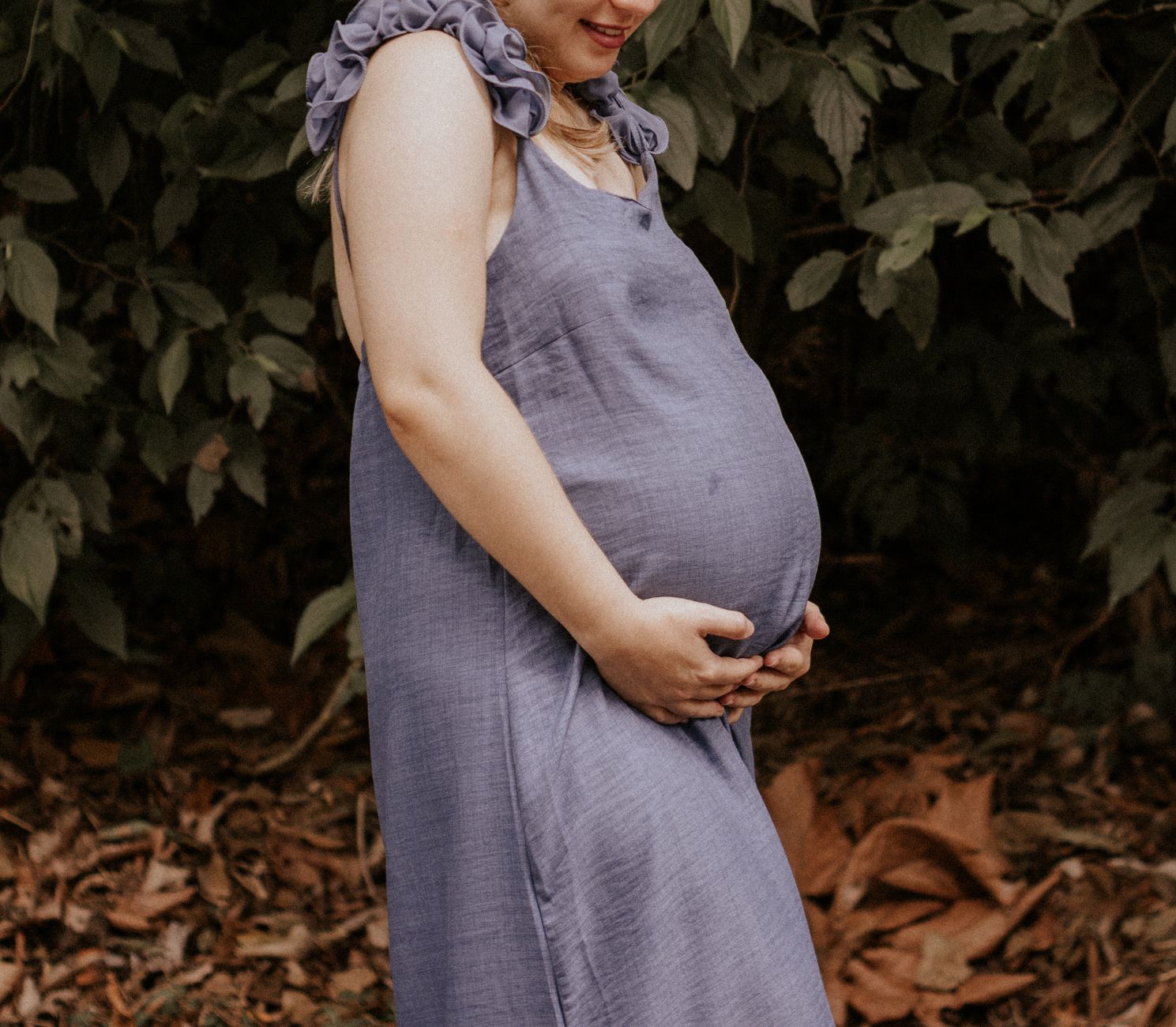
Expecting a baby is a time of immense joy, but it also comes with a lot of questions, especially when it comes to your diet. You might wonder about everyday foods you've always enjoyed, like eggs. Are they safe during pregnancy? The good news is, yes, eggs can be a wonderfully nutritious part of your pregnancy diet, provided they are prepared safely. Let's explore why eggs are beneficial and how you can enjoy them without any worries.
During pregnancy, your body is working hard to support a growing baby. This means your nutritional needs increase significantly. Protein is especially vital for the development of your baby’s tissues and organs, as well as for supporting your own body's changes. Some studies suggest pregnant women need about 1.2 grams of protein per kilogram of body weight daily in early pregnancy, increasing to 1.52 grams per kilogram in the later stages. Eggs are a powerhouse of easily absorbable protein, with one large egg (about 50 grams) delivering 6 grams of high-quality protein. This makes them an excellent choice to help meet your increased protein demands.
But the benefits don't stop at protein. Eggs are also packed with essential vitamins and minerals that play a critical role in your baby's growth and your own well-being. Nutrients like Vitamin B12 and choline are particularly important. Vitamin B12 is essential for the formation of red blood cells and nerve function. Choline is a nutrient that has been linked to healthy brain development in babies, potentially reducing the risk of neural tube defects. Additionally, eggs contain Vitamin D, which is crucial for bone health for both you and your baby, and supports immune function. While some foods contain small amounts of Vitamin D, it's often recommended for pregnant women to have their levels checked and consider supplementation with Vitamin D3 as advised by their doctor.
Eggs are also filling, which can help with managing weight gain during pregnancy – a common concern for many expectant mothers. A balanced diet that includes nutrient-dense foods like eggs contributes to overall health and can help prevent excessive weight gain.
Understanding the Risks: Salmonella and Safe Preparation
The primary concern when it comes to eggs and pregnancy is the risk of foodborne illnesses, most notably Salmonella. Salmonella bacteria can cause food poisoning, which can be serious for pregnant women and their babies. If a pregnant woman gets a Salmonella infection, it can potentially spread to the amniotic fluid, leading to serious complications for the baby. This is why safe preparation is absolutely key.
You might have heard warnings about consuming foods that contain raw or undercooked eggs, such as homemade mayonnaise, certain salad dressings, or traditional Indian dishes like kachumber salad with raw egg. While these warnings are valid, they don't mean you have to give up eggs entirely. The danger lies in consuming eggs that haven't been cooked thoroughly, leaving the yolk or white runny.
It's important to distinguish between store-bought products and homemade ones. Commercially produced items like mayonnaise, ice cream, and baked goods often use pasteurized eggs. Pasteurization is a process that heats the eggs just enough to kill harmful bacteria without actually cooking them. So, while homemade hollandaise sauce might be a risk, store-bought mayonnaise is generally considered safe. Always check the product labels to be sure.
How to Safely Prepare and Cook Eggs During Pregnancy
The golden rule for enjoying eggs during pregnancy is to ensure they are cooked thoroughly. This means avoiding any dish where the egg yolk or white remains liquid or runny.
- Scrambled Eggs: Cook them until they are completely firm. There should be no slimy or moist parts visible.
- Fried Eggs: Cook them for about 2 to 3 minutes on each side. The yolk and whites must be solid. Avoid sunny-side up or over-easy styles where the yolk is still liquid.
- Boiled Eggs: Hard-boil them for at least 10 to 12 minutes. To be extra sure, cut a hard-boiled egg in half to check that the yolk is completely firm and cooked through.
- Poached Eggs: These can be tricky. Ensure the yolk is fully cooked and not runny. It might be safer to avoid poaching altogether or cook them for an extended period until the yolk is solid.
- Omelets and Frittatas: Make sure the entire egg mixture is cooked through and no part remains liquid.
When you are buying eggs from the supermarket, look for cartons that are clearly labeled 'pasteurized'. This applies whether you are buying whole eggs or powdered egg whites for baking.
What About Powdered Eggs or Egg Substitutes?
Powdered eggs and commercially prepared egg substitutes are often made from pasteurized eggs or egg products. These are generally safe to use during pregnancy, especially for baking or in recipes where you might normally use raw eggs. Always check the packaging to confirm they are pasteurized or have undergone a heat treatment to eliminate potential pathogens.
Real-Life Scenario: A Craving for 'Lassi'
Rina, 28 weeks pregnant, was craving a creamy mango lassi. She remembered her mother-in-law making it with a raw egg for extra richness. Rina politely declined, explaining to her mother-in-law that while she loved the idea, her doctor advised against raw eggs during pregnancy due to the risk of Salmonella. Instead, they made a delicious lassi using only yogurt, mango pulp, milk, and a touch of honey, ensuring it was safe and healthy.
When to Consult Your Doctor
While eggs are generally safe and beneficial during pregnancy, it's always wise to discuss your diet with your healthcare provider. They can offer personalized advice based on your health status and any specific concerns you may have.
Consult your doctor if:
- You have any concerns about food safety during pregnancy.
- You experience any symptoms of food poisoning, such as severe nausea, vomiting, diarrhea, fever, or abdominal cramps.
- You have questions about specific recipes or food preparation methods.
- You are considering significant dietary changes or supplements.
Frequently Asked Questions (FAQ)
Can I eat eggs if I have gestational diabetes?
Yes, eggs can be a good choice for managing gestational diabetes because they are low in carbohydrates and high in protein, which helps stabilize blood sugar levels. However, always prepare them thoroughly, and discuss your overall diet plan with your doctor or a registered dietitian.
Are 'kheema-e-anda' or 'anda bhurji' safe during pregnancy?
Both 'kheema-e-anda' (minced meat with eggs) and 'anda bhurji' (scrambled eggs with spices) can be safe during pregnancy, provided the eggs are cooked completely until the yolk and whites are firm. Ensure there is no runny egg component in the dish.
What if I accidentally eat an undercooked egg?
If you realize you've eaten an undercooked egg, try not to panic. Monitor yourself for any symptoms of food poisoning like nausea, vomiting, diarrhea, or fever. If you develop any of these symptoms, contact your doctor immediately. Your doctor can assess the situation and provide appropriate care.
Enjoying a healthy and balanced diet is one of the most important aspects of a healthy pregnancy. Eggs, when prepared correctly, are a safe, affordable, and incredibly nutritious food that can support both your health and your baby's development. Always prioritize safe food handling and thorough cooking, and don't hesitate to reach out to your healthcare provider for any guidance.