

Emergency & Help
24/7 Emergency & General Advisory
🚨 24/7 Medical Emergency
Non-Emergency Advisory
10:00 AM – 6:00 PM, Mon–Sat
For appointments & general queries.
24/7 Emergency & General Advisory
🚨 24/7 Medical Emergency
Non-Emergency Advisory
10:00 AM – 6:00 PM, Mon–Sat
For appointments & general queries.
Can you eat mayonnaise during pregnancy? Learn about pasteurized eggs, safe brands, and delicious egg-free alternatives for expectant mothers in India.

Navigating food choices during pregnancy can feel like a minefield. Every day, expectant mothers are bombarded with advice, often contradictory, about what's safe to eat and what's not. One common question that pops up is about mayonnaise. It’s a staple in many of our favorite dishes, from creamy potato salads to delicious sandwiches. But is it safe to enjoy during those precious nine months?
The primary concern surrounding mayonnaise during pregnancy revolves around its ingredients, specifically raw eggs. Raw eggs can potentially harbor a bacterium called Salmonella. While Salmonella can cause food poisoning in anyone, pregnant women are generally more susceptible to infections, and these infections can sometimes pose risks to the developing baby. Symptoms of Salmonella infection can include fever, diarrhea, vomiting, and abdominal cramps. In severe cases, it can lead to dehydration, which is particularly concerning during pregnancy.
The good news is that most commercially produced mayonnaise in India, and indeed globally, uses pasteurized eggs. Pasteurization is a process where the eggs are heated to a specific temperature for a set amount of time. This process effectively kills any harmful bacteria, including Salmonella, without actually cooking the egg. Therefore, mayonnaise made with pasteurized eggs is generally considered safe to consume during pregnancy.
So, how can you be sure that the mayonnaise you're reaching for is safe? The key lies in reading the product label carefully. Look for terms like "pasteurized eggs" or "made with pasteurized eggs." This is your green light to enjoy it. Many popular brands available in Indian supermarkets adhere to these safety standards.
It's also wise to be aware of homemade mayonnaise or mayonnaise found at local eateries, potlucks, or street food stalls. Unless you can confirm that it was made with pasteurized eggs, it's best to err on the side of caution and avoid it. The USDA advises against attempting to pasteurize eggs at home, as incorrect methods can still leave them unsafe. When in doubt, it's always better to ask about the ingredients or choose a different option.
Restaurants, cafes, and bakeries often make their own mayonnaise or use it as an ingredient in various dishes like salads, sandwiches, and dips. The same rule applies here: if you're unsure about the ingredients, ask your server or the chef. Many establishments are happy to provide this information. If they cannot confirm the use of pasteurized eggs, or if they use raw eggs, it's advisable to skip that particular dish.
For those who prefer to avoid eggs altogether, or if you simply cannot find mayonnaise made with pasteurized eggs, there are excellent egg-free and vegan options available. Many brands now offer delicious vegan mayonnaise spreads that taste remarkably similar to traditional mayonnaise. These are made using plant-based oils and other ingredients, making them a safe and worry-free choice for pregnant women.
Some popular vegan mayonnaise brands you might find include:
These are readily available in larger supermarkets and online stores.
If you enjoy making your own condiments, creating an egg-free mayonnaise at home is surprisingly simple. You likely have most of the ingredients in your kitchen already! A basic recipe involves blending common ingredients like oil (such as canola or sunflower oil), a liquid (like plant-based milk or aquafaba), an acid (lemon juice or vinegar), and seasonings (salt, mustard powder) until smooth and creamy.
Here’s a basic idea of how to make it:
This homemade version gives you complete control over the ingredients and ensures it's safe for you and your baby. Store it in an airtight container in the refrigerator and use it within a few days.
For a super simple and incredibly healthy alternative, consider ripe avocado. Mashed avocado provides a creamy texture and healthy fats, making it a fantastic spread for sandwiches or a base for "salad" type dishes, like a chickpea salad or a mock tuna salad. It's packed with vitamins and minerals beneficial during pregnancy.
While mayonnaise is a common concern, it's part of a broader picture of food safety during pregnancy. Here are some general guidelines to keep your pregnancy diet safe:
A Real-Life Scenario: Priya, an expectant mother, was craving a tuna sandwich. She remembered her mother always making tuna salad with a generous amount of mayonnaise. However, she wasn't sure if the jar in her fridge was safe. Instead of risking it, she checked the label, found it was made with pasteurized eggs, and enjoyed her sandwich. For other meals, she opted for dishes where she could confirm the ingredients or chose to make her own safe alternatives.
While enjoying mayonnaise made with pasteurized eggs is generally safe, it’s always best to discuss any specific dietary concerns with your healthcare provider. If you experience symptoms of food poisoning, such as severe diarrhea, vomiting, fever, or dehydration, seek medical attention immediately. Your doctor or midwife can provide personalized advice based on your health and pregnancy status.
Key Takeaway: Most store-bought mayonnaise is safe during pregnancy because it uses pasteurized eggs. Always check the label for confirmation. If you're uncertain, opt for egg-free versions or make your own safe, delicious alternatives at home.
Visit Hospital
Near You
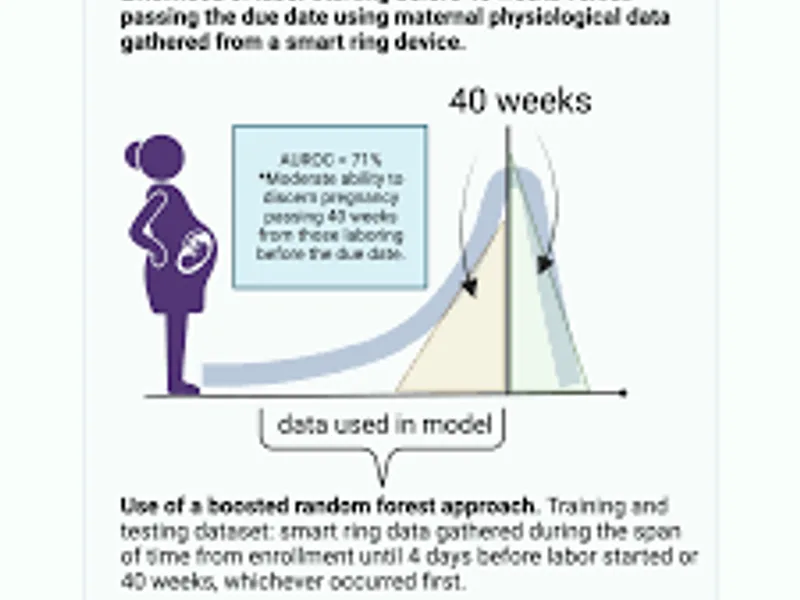
Going past your due date can feel like being stuck in a waiting room with no clock. This guide walks you through what actually happens during monitoring after due date pregnancy — the tests, the decisions, and the emotions nobody really prepares you for.
May 20, 2026
Going past your due date can feel like being stuck in a waiting room with no clock. This guide walks you through what actually happens during monitoring after due date pregnancy — the tests, the decisions, and the emotions nobody really prepares you for.
May 20, 2026
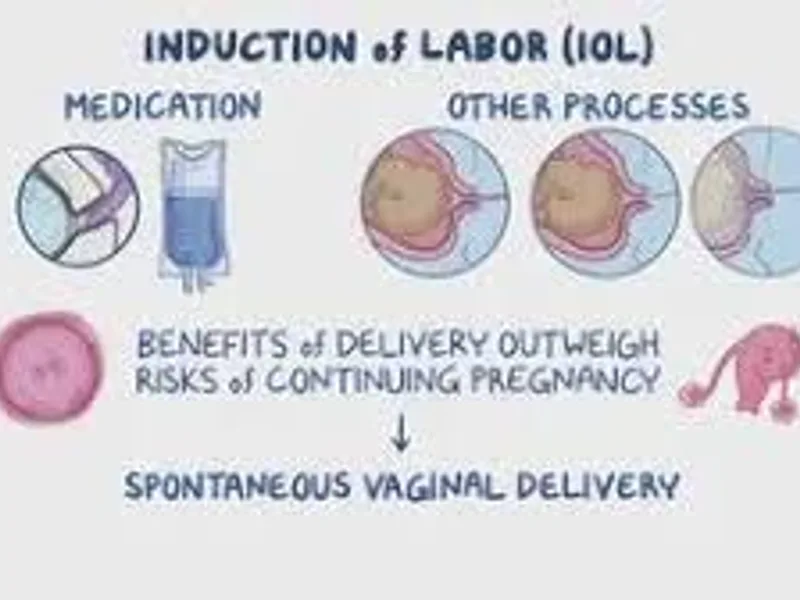
If you’re close to your due date and feeling stuck in waiting mode, this breaks down induction of labor methods in a way that actually makes sense. No jargon, no fluff—just what works, what doesn’t, and what it really feels like from a human perspective.
May 20, 2026