

Emergency & Help
24/7 Emergency & General Advisory
🚨 24/7 Medical Emergency
Non-Emergency Advisory
10:00 AM – 6:00 PM, Mon–Sat
For appointments & general queries.
24/7 Emergency & General Advisory
🚨 24/7 Medical Emergency
Non-Emergency Advisory
10:00 AM – 6:00 PM, Mon–Sat
For appointments & general queries.
Expecting mothers often ask if mayonnaise is safe during pregnancy. Learn about pasteurization, safe brands, homemade options, and when to consult your doctor.

Pregnancy is a time of immense joy and anticipation, but it also brings a wave of questions, especially concerning diet. What you eat directly impacts your growing baby, so it's natural to be cautious. One common query that pops up is about mayonnaise. Many expectant mothers wonder, "Can I eat mayonnaise during pregnancy?" The short answer is: usually, yes, but with important conditions.
The main reason for concern with mayonnaise during pregnancy revolves around its ingredients, specifically raw eggs. Raw eggs can potentially harbor a bacterium called Salmonella. If Salmonella infects the mother, it can lead to a condition called salmonellosis, which can cause symptoms like fever, diarrhea, abdominal cramps, and vomiting. While rare, severe cases can lead to more serious complications, including dehydration and, in very uncommon situations, can even affect the baby.
What is Pasteurization?
This is where pasteurization becomes your best friend. Pasteurization is a process where food, like eggs, is heated to a specific temperature for a set amount of time to kill harmful bacteria, including Salmonella. Commercially produced mayonnaise in India and many other countries almost always uses pasteurized eggs. This means the risk of Salmonella contamination from these products is extremely low.
Reading the Label is Key
The most reliable way to ensure your mayonnaise is safe is to check the product label. Look for phrases like "made with pasteurized eggs" or "pasteurized egg product." If you see this, you can enjoy your mayonnaise with peace of mind. Most major brands readily available in supermarkets in India will use pasteurized eggs.
While store-bought mayonnaise is generally safe, there are situations where extra caution is needed:
A Real-Life Scenario:
Imagine you're at a friend's house for lunch, and they've prepared a delicious chicken salad sandwich using their homemade mayonnaise. You love your friend's cooking, but you remember the advice about raw eggs. It's perfectly okay to politely inquire, "This looks amazing! Did you use pasteurized eggs for the mayonnaise?" If they haven't, or aren't sure, it's wise to enjoy a different part of the meal or opt for something else.
What About Other Foods with Mayonnaise?
Mayonnaise is often an ingredient in other popular dishes like potato salad, egg salad, tuna salad, and various dips. The same rule applies: always check the ingredients if possible, or err on the side of caution if you're unsure about the source of the mayonnaise used.
If you prefer to avoid eggs altogether or want a guaranteed safe option for homemade spreads, you can easily make delicious egg-free mayonnaise. Many recipes use ingredients like tofu, aquafaba (the liquid from a can of chickpeas), or even avocado as a base. These alternatives can provide a creamy texture and satisfying taste without the risk associated with raw eggs.
This homemade version is not only safe but also allows you to control the ingredients and freshness.
Absolutely! The market has seen a rise in excellent vegan or egg-free mayonnaise alternatives. Brands like Follow Your Heart Vegenaise, Hellmann's Vegan, or local Indian brands offering plant-based spreads are widely available. These products are made without any eggs and are therefore safe for pregnant women.
Tip: Look for the "vegan" label or check the ingredient list for any mention of eggs.
While mayonnaise itself, when made with pasteurized eggs or egg-free, is generally safe, it's always wise to discuss your diet with your healthcare provider. They can offer personalized advice based on your health status and pregnancy.
You should consult your doctor if:
Remember, a balanced and safe diet is a cornerstone of a healthy pregnancy. Enjoying foods like mayonnaise is possible with the right knowledge and precautions.
Most people do not notice early warning signs right away. That is common. A simple symptom diary, basic routine checks, and timely follow-up visits can prevent small problems from becoming serious.
If you are already on treatment, stay consistent with medicines and lifestyle advice. If your symptoms change, do not guess. Check with a qualified doctor and update your plan early.
Write down symptoms, triggers, and timing for a few days.
Carry old prescriptions and test reports to your consultation.
Ask clearly about side effects, red-flag signs, and follow-up dates.
Seek urgent care for severe pain, breathing trouble, bleeding, fainting, or sudden worsening.
Visit Hospital
Near You
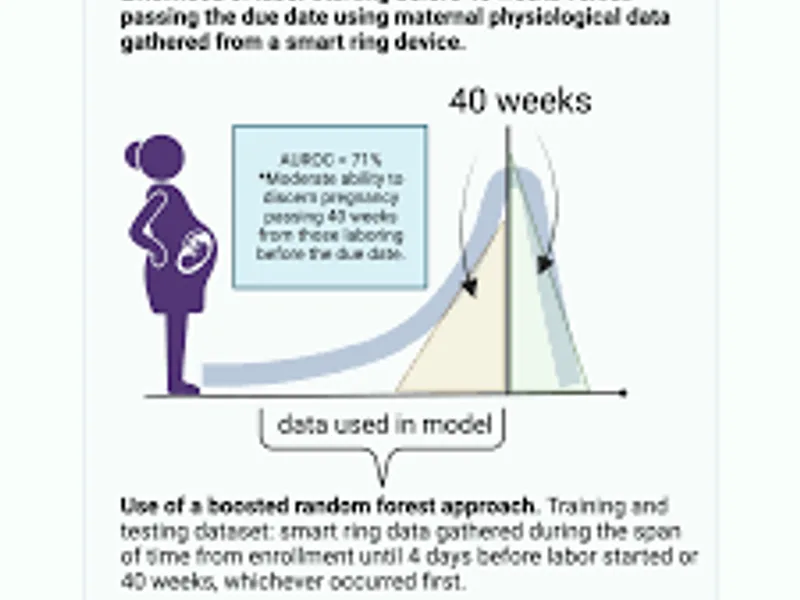
Going past your due date can feel like being stuck in a waiting room with no clock. This guide walks you through what actually happens during monitoring after due date pregnancy — the tests, the decisions, and the emotions nobody really prepares you for.
May 20, 2026
Going past your due date can feel like being stuck in a waiting room with no clock. This guide walks you through what actually happens during monitoring after due date pregnancy — the tests, the decisions, and the emotions nobody really prepares you for.
May 20, 2026
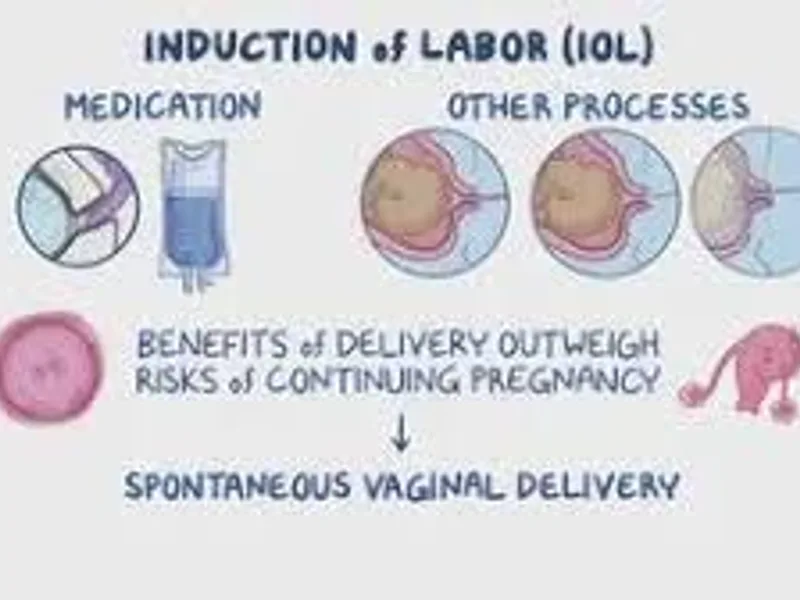
If you’re close to your due date and feeling stuck in waiting mode, this breaks down induction of labor methods in a way that actually makes sense. No jargon, no fluff—just what works, what doesn’t, and what it really feels like from a human perspective.
May 20, 2026