

Emergency & Help
24/7 Emergency & General Advisory
🚨 24/7 Medical Emergency
Non-Emergency Advisory
10:00 AM – 6:00 PM, Mon–Sat
For appointments & general queries.
24/7 Emergency & General Advisory
🚨 24/7 Medical Emergency
Non-Emergency Advisory
10:00 AM – 6:00 PM, Mon–Sat
For appointments & general queries.
Discover the real differences and similarities between getting pregnant at 30 and 40. Learn about fertility, risks, and how to optimize your health for a successful pregnancy at any age.

The decision to start or expand a family often brings up questions about age. For many women, particularly in India, there's a societal expectation and a personal timeline for having children. While 30 has long been considered a prime age for motherhood, the reality is that many women are choosing to delay childbirth for various reasons, including career aspirations, financial stability, or simply finding the right partner. But what happens when you decide to have a baby at 40 compared to 30? Is it as daunting as the statistics suggest? This article explores the personal experiences and medical realities of pregnancy and childbirth at different ages, focusing on what truly changes, and what remains wonderfully the same.
It’s a biological fact that a woman's fertility naturally declines with age. The number and quality of eggs begin to decrease, particularly after the age of 32, with a more significant drop around 37. This doesn't mean pregnancy is impossible at 40, but it might take longer and could require more medical assistance. However, it's not just about the eggs. A woman's overall health, lifestyle, and medical history play a significant role in her fertility journey at any age.
Consider Priya, a 38-year-old marketing executive in Delhi. She's been trying to conceive for about a year with her husband. While they're not facing major fertility issues, it's taking longer than they expected, leading to some anxiety. They are now considering consulting a fertility specialist to understand their options and get personalized advice.
Many women today welcome their first child in their early 30s. At this age, fertility is generally still strong, and the body is often resilient. Pregnancies at 30 are often considered lower risk compared to later years, although individual health factors always play a part. Recovery from childbirth can also be quicker for some.
When Meera had her first baby at 29, she was active, enjoyed socialising, and admits her diet wasn't always the healthiest. She relied on quick meals and takeout frequently. Despite a few common pregnancy discomforts, her labour and recovery were relatively straightforward.
Having a baby at 40 is becoming increasingly common. While there are increased medical risks to consider, such as gestational diabetes, high blood pressure, and a higher likelihood of C-section, many women at this age are also in a better position to manage these challenges.
What often changes is the woman herself. By 40, many women have a greater sense of self, financial stability, and a more established support system. Their lifestyle choices might also have improved significantly. For instance, by the time she was 39, the author of our source material had given up excessive social drinking, adopted a healthier diet, and incorporated regular exercise into her routine. This improved health can positively impact the pregnancy and recovery.
She also found that having older children meant she could get daytime naps – a luxury often unavailable to younger mothers juggling work and a newborn. This personal well-being significantly eased her pregnancy experience.
While statistics might suggest a higher rate of interventions like C-sections for women over 35, personal experiences can vary. Some women over 40 have uncomplicated vaginal births, while others may require a planned or emergency C-section. Recovery times can differ, but age alone isn't always the deciding factor. A woman's overall fitness, the type of delivery, and any complications play a larger role.
The author experienced both vaginal and planned C-section deliveries. While the C-sections were planned, her recovery for both was textbook, and she didn't find it significantly harder or longer simply because she was older.
One of the most significant differences isn't physical, but emotional. Women in their 40s often approach pregnancy with a different mindset. There can be less concern about societal judgment and more focus on the joy of motherhood. This reduced stress and increased confidence can be incredibly beneficial during pregnancy and beyond.
The author noted that at 40, she cared far less about what others thought compared to when she was 30. This sense of self-assurance made the experience more peaceful and enjoyable.
It's important to acknowledge the increased risks associated with later pregnancies. These can include:
Regular prenatal care is absolutely essential for monitoring the health of both mother and baby. Your doctor will likely recommend more frequent check-ups and specific screenings based on your age and health profile.
If you are planning a pregnancy, especially if you are over 35, it is wise to consult your doctor beforehand. They can:
During pregnancy, contact your doctor immediately if you experience:
Regardless of your age, prioritizing your health before and during pregnancy is key. Here are some practical steps:
Ravi and Sunita, both in their early 40s, are excitedly preparing for their first child. They've focused on eating well, staying active, and have attended every prenatal class. They feel empowered and ready, knowing they've done everything they can to ensure a healthy pregnancy.
While age does bring biological changes that can affect fertility and pregnancy, it doesn't dictate the entire experience. Many women at 40 and beyond have healthy pregnancies and deliver healthy babies. The key lies in informed decision-making, diligent prenatal care, a healthy lifestyle, and a positive mindset. Don't let fear or societal pressure overshadow your journey. Focus on what you can control: your health and well-being. Your experience will be unique, shaped by your individual circumstances, not just the number of years you've lived.
Q1: Is it safe to have a baby at 40?
Yes, it can be safe, but it comes with increased risks compared to younger pregnancies. Regular medical check-ups and a healthy lifestyle are vital for a safe pregnancy.
Q2: Will I need IVF if I get pregnant at 40?
Not necessarily. While fertility declines, many women conceive naturally at 40. However, if you face difficulties, fertility treatments like IVF are an option.
Q3: Are babies born to older mothers more likely to have health problems?
There is a slightly increased risk of certain conditions, like chromosomal abnormalities and prematurity. However, with proper prenatal care and monitoring, most babies are born healthy.
Q4: How does recovery from childbirth differ at 40 compared to 30?
Recovery can vary greatly from person to person. While some women over 40 might experience a longer recovery, many find it similar to or even easier than when they were younger, especially if they are healthier and more rested.
Visit Hospital
Near You
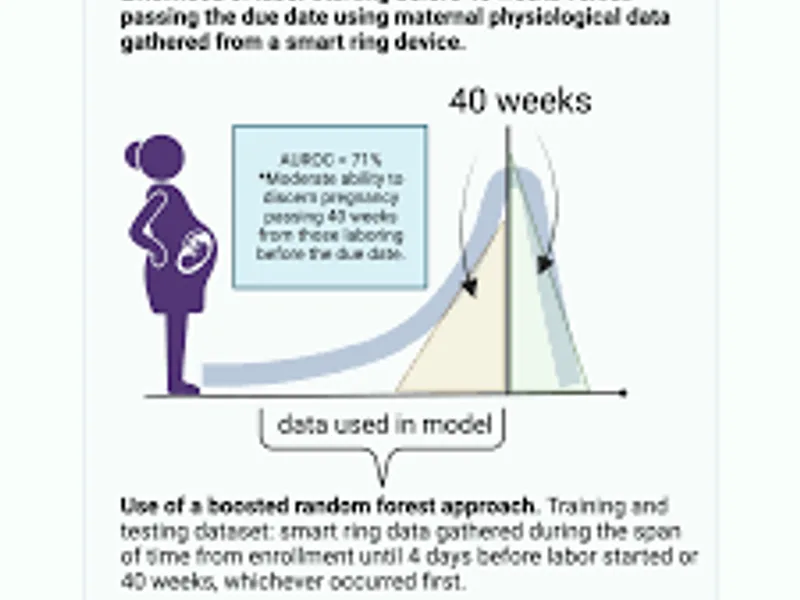
Going past your due date can feel like being stuck in a waiting room with no clock. This guide walks you through what actually happens during monitoring after due date pregnancy — the tests, the decisions, and the emotions nobody really prepares you for.
May 20, 2026
Going past your due date can feel like being stuck in a waiting room with no clock. This guide walks you through what actually happens during monitoring after due date pregnancy — the tests, the decisions, and the emotions nobody really prepares you for.
May 20, 2026
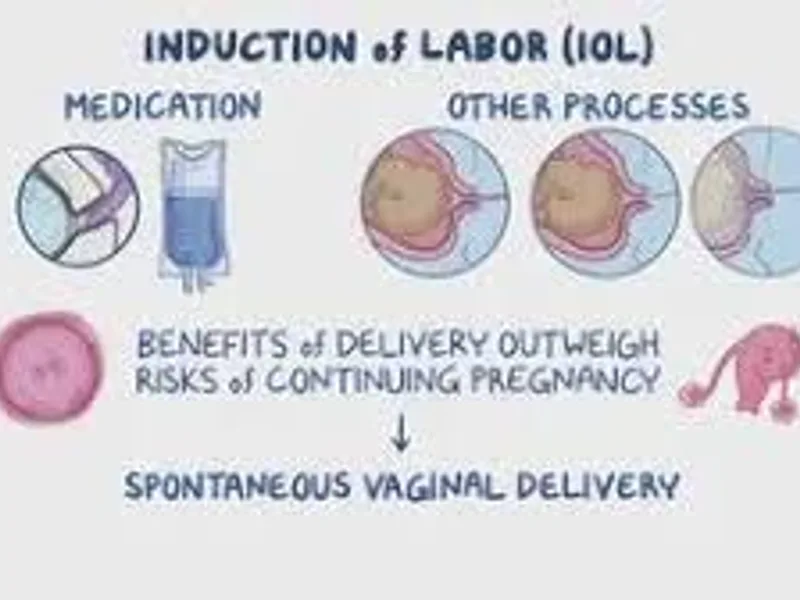
If you’re close to your due date and feeling stuck in waiting mode, this breaks down induction of labor methods in a way that actually makes sense. No jargon, no fluff—just what works, what doesn’t, and what it really feels like from a human perspective.
May 20, 2026