

Emergency & Help
24/7 Emergency & General Advisory
🚨 24/7 Medical Emergency
Non-Emergency Advisory
10:00 AM – 6:00 PM, Mon–Sat
For appointments & general queries.
24/7 Emergency & General Advisory
🚨 24/7 Medical Emergency
Non-Emergency Advisory
10:00 AM – 6:00 PM, Mon–Sat
For appointments & general queries.
Discover the common and less common reasons for an itchy belly button during pregnancy, from skin stretching and dryness to PUPPP and ICP. Learn effective home remedies and when to seek medical advice for relief.

The Itchy Belly Button: A Common Pregnancy Complaint Pregnancy is a time of incredible transformation, and while you might be prepared for the usual suspects like morning sickness, fatigue, and swollen ankles, an intensely itchy belly or belly button can come as a rather unwelcome surprise. This common pregnancy symptom, known medically as pruritus, can range from a mild annoyance to an unbearable itch that leaves you scratching for relief. As your body undergoes rapid changes to accommodate your growing baby, the skin on your abdomen, including the delicate area around your belly button, stretches significantly. This stretching, combined with hormonal shifts and other factors, can lead to that persistent, maddening itch. Many expectant mothers experience some form of skin irritation or itchiness during pregnancy. It's a sign that your body is working hard, but it doesn't mean you have to suffer in silence. Understanding the potential causes behind your itchy belly button is the first step towards finding effective relief and enjoying your pregnancy journey more comfortably. This guide will explore the common and less common reasons for this symptom, offer practical remedies, and advise on when it's time to seek professional medical help. Why is My Belly Button So Itchy During Pregnancy? Common Culprits Several factors can contribute to an itchy belly button and surrounding skin during pregnancy. Let's break down the most frequent causes: 1. Skin Stretching: The Obvious Suspect As your uterus expands, it pushes your abdominal muscles outward, causing your skin to stretch dramatically. The skin around your belly button, which is often thinner and more sensitive, can become particularly susceptible to itching as it accommodates this rapid growth. This stretching can sometimes lead to micro-tears in the skin's deeper layers, triggering an itch response. You might also notice your belly button starting to flatten or even pop outwards as pregnancy progresses – this physical change can also contribute to discomfort and itching. 2. Dry Skin: A Universal Annoyance Hormonal fluctuations during pregnancy can significantly impact your skin's moisture balance. Estrogen levels rise, which can sometimes lead to increased dryness and decreased elasticity. This dryness can affect your entire body, but it often becomes noticeable on your abdomen, making the skin feel tight, flaky, and itchy. The belly button area, being an indentation, can sometimes trap dryness or be harder to moisturize effectively, exacerbating the itch. 3. Hormonal Changes: More Than Just Dryness Beyond just causing dryness, pregnancy hormones can make your skin more sensitive overall. This heightened sensitivity means that even normal stimuli, like the friction from clothing or a change in soap, can trigger an itchy reaction. Your body's immune system also undergoes changes during pregnancy, which can sometimes manifest as skin sensitivity or itching. Less Common, But Important Causes of Belly Itch While stretching and dry skin are the most frequent reasons for an itchy belly button, it's essential to be aware of other potential medical conditions that might be causing the discomfort. These are less common but require attention: 1. Pruritic Urticarial Papules and Plaques of Pregnancy (PUPPP) This is a mouthful, but it's a well-known pregnancy-specific rash that causes intense itching. PUPPP typically appears as small, red, raised bumps (papules) that can merge into larger patches (plaques). It often starts on the abdomen, particularly within the stretch marks, and can spread to the thighs and buttocks. While the exact cause isn't fully understood, it's thought to be an immune system reaction to the stretching skin. PUPPP is most common in the third trimester, especially in first-time pregnancies or multiple gestations, and tends to resolve shortly after delivery. It affects roughly 1 in 160 pregnancies. 2. Pemphigoid Gestationis (PG) This is a rare autoimmune disorder, affecting about 1 in 40,000 to 50,000 pregnancies. It typically begins in the second or third trimester. PG starts with itchy red bumps and can progress to fluid-filled blisters, often on the abdomen but potentially spreading to other body parts. It occurs when the body's immune system mistakenly attacks its own tissues, leading to inflammation and blisters. While it usually resolves after childbirth, it can, in rare cases, pose risks to the baby and may require medical intervention during pregnancy. 3. Intrahepatic Cholestasis of Pregnancy (ICP) ICP is a more serious condition affecting the liver during pregnancy. It impairs the liver's ability to process bile, causing bile to build up in the bloodstream. The primary symptom is intense itching, which often starts on the palms of the hands and soles of the feet but can spread to the entire body, including the abdomen and belly button. While the itching can be maddening, ICP also carries risks for the baby, including preterm birth and stillbirth, making prompt diagnosis and management critical. It typically resolves completely after delivery. Finding Relief: Home Remedies and Self-Care The good news is that most itchy bellies during pregnancy can be managed with simple, effective home remedies. The goal is to soothe the skin, maintain moisture, and avoid further irritation. 1. Moisturize, Moisturize, Moisturize! This is your first line of defense against dry, itchy skin. Apply a thick, fragrance-free, hypoallergenic moisturizer or body butter liberally to your belly, especially after bathing. Look for ingredients like shea butter, cocoa butter, or hyaluronic acid. Applying it while your skin is still slightly damp helps lock in moisture. 2. Tepid Baths and Showers Hot water strips the skin of its natural oils, worsening dryness and itching. Opt for lukewarm (tepid) showers or baths. Avoid harsh, perfumed soaps; use a mild, unscented cleanser instead. Pat your skin dry gently with a soft towel rather than rubbing vigorously. 3. Colloidal Oatmeal Baths Colloidal oatmeal is finely ground oatmeal that can be added to bathwater. It has soothing properties that can help calm itchy, irritated skin. Soak in a lukewarm bath with colloidal oatmeal for 10-15 minutes. You can buy pre-made colloidal oatmeal products or grind plain, uncooked oatmeal very finely yourself. 4. Cool Compresses Applying a cool, damp cloth or a cold pack wrapped in a thin towel to the itchy area can provide temporary but significant relief. This helps to numb the itch sensation and reduce inflammation. 5. Loose, Cotton Clothing Tight clothing made of synthetic fabrics can trap heat and moisture, irritating your skin. Choose loose-fitting clothes made from soft, breathable natural fibers like cotton. This allows your skin to breathe and reduces friction. 6. Stay Hydrated Drinking plenty of water throughout the day is essential for overall skin health. Proper hydration helps maintain your skin's elasticity and moisture from the inside out. 7. Avoid Scratching We know, it's incredibly difficult! But scratching can damage the skin, lead to infection, and even worsen the itching in a vicious cycle. Try to pat or gently rub the itchy area instead. Keep your fingernails trimmed short to minimize damage if you do scratch unconsciously. When to Seek Medical Advice While most itchy bellies are harmless, there are times when you absolutely must consult your doctor or midwife. Don't hesitate to reach out if: The itching is severe and interfering with your sleep or daily life. The itching is widespread, not just confined to your belly. You develop a rash, hives, or blisters. You experience other symptoms like fever, nausea, vomiting, or jaundice (yellowing of the skin or eyes). You are concerned about the intensity or persistence of the itch. Your doctor can properly diagnose the cause of your itching, especially if it's related to conditions like PUPPP, PG, or ICP. They can prescribe stronger topical creams (like corticosteroids), oral medications, or recommend specific treatments to manage the condition safely during pregnancy. Frequently Asked Questions (FAQ) Q1: Is an itchy belly button normal during pregnancy? Yes, an itchy belly button and belly during pregnancy is quite common. It's often due to skin stretching, dryness, or hormonal changes. However, if the itching is severe or accompanied by a rash, it's important to get it checked by a doctor. Q2: Can scratching my itchy belly make it worse? Absolutely. Scratching can damage the skin, potentially leading to infection and creating an itch-scratch cycle that intensifies the sensation. It's best to use other methods for relief, like moisturizing or cool compresses. Q3: How can I soothe my itchy belly button at night? For nighttime relief, try applying a thick moisturizer before bed, wearing loose cotton pajamas, and using a cool compress if needed. A tepid bath with colloidal oatmeal before sleep can also be very calming. Q4: What if my itchy belly is a sign of cholestasis? If your doctor suspects cholestasis of pregnancy (ICP), they will likely order blood tests to check your liver function and bile acid levels. If diagnosed, you will receive specific treatment and close monitoring to ensure the safety of both you and your baby. Prompt medical attention is key. Conclusion An itchy belly button during pregnancy can be a bothersome symptom, but understanding its causes empowers you to find effective relief. While skin stretching and dryness are common culprits, always be aware of potential underlying medical
In summary, timely diagnosis, evidence-based treatment, and prevention-focused care improve long-term health outcomes.
Visit Hospital
Near You
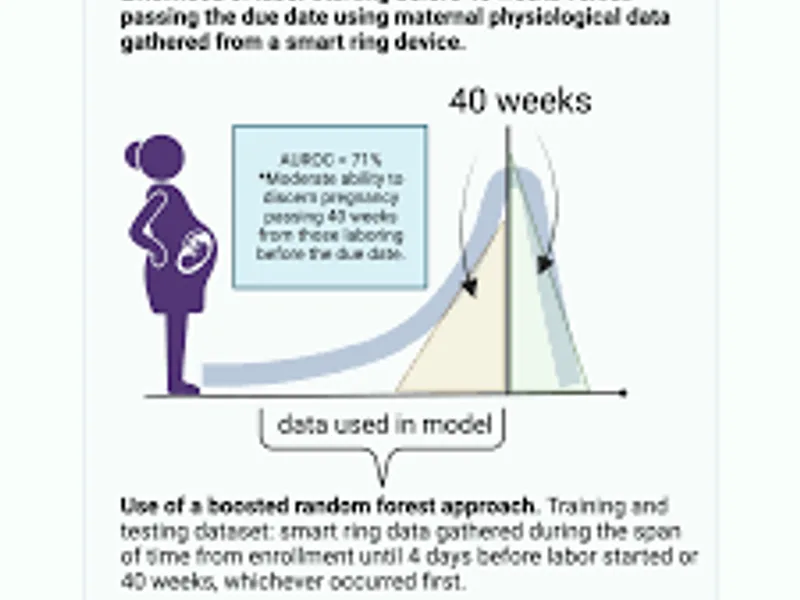
Going past your due date can feel like being stuck in a waiting room with no clock. This guide walks you through what actually happens during monitoring after due date pregnancy — the tests, the decisions, and the emotions nobody really prepares you for.
May 20, 2026
Going past your due date can feel like being stuck in a waiting room with no clock. This guide walks you through what actually happens during monitoring after due date pregnancy — the tests, the decisions, and the emotions nobody really prepares you for.
May 20, 2026
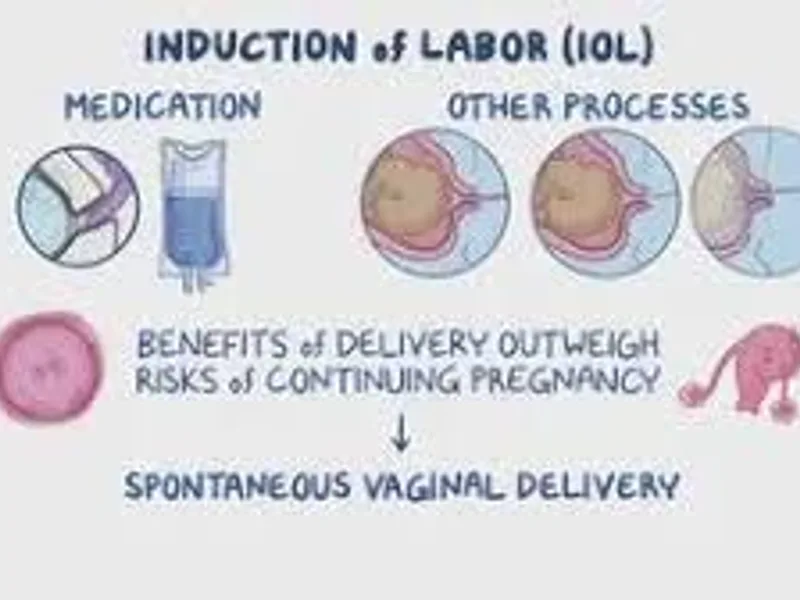
If you’re close to your due date and feeling stuck in waiting mode, this breaks down induction of labor methods in a way that actually makes sense. No jargon, no fluff—just what works, what doesn’t, and what it really feels like from a human perspective.
May 20, 2026