

Emergency & Help
24/7 Emergency & General Advisory
🚨 24/7 Medical Emergency
Non-Emergency Advisory
10:00 AM – 6:00 PM, Mon–Sat
For appointments & general queries.
24/7 Emergency & General Advisory
🚨 24/7 Medical Emergency
Non-Emergency Advisory
10:00 AM – 6:00 PM, Mon–Sat
For appointments & general queries.
Learn about common body aches during pregnancy, their causes, effective management strategies, and when to consult a doctor. Navigate your pregnancy discomforts with confidence.

Pregnancy is a time of incredible transformation for a woman's body. As your baby grows, almost every part of your anatomy undergoes changes to accommodate this new life. While these changes are natural and essential, they often come with a symphony of aches and pains. It's estimated that a significant majority of pregnant women experience some form of back pain, with many also reporting generalized discomfort. These aches can range from mild twinges to debilitating pain, often peaking in the third trimester but sometimes appearing as early as the first or second.
The primary drivers behind these discomforts are the hormonal shifts and mechanical changes your body navigates. Hormones like relaxin increase, loosening ligaments and joints to prepare for childbirth. This, combined with the shifting center of gravity as your uterus expands and your weight increases, puts considerable strain on your muscles, joints, and spine. Your organs are also repositioned, adding to the pressure. Furthermore, increased blood volume and fluid retention can lead to soft tissue pain and swelling.
While back pain is perhaps the most commonly discussed, aches can manifest in various areas:
The good news is that many pregnancy-related aches can be managed effectively. However, it's crucial to approach pain relief with caution, as many medications can pose risks to your developing baby. Always consult your doctor before taking any medication, including over-the-counter options.
In cases of severe or persistent pain, your doctor may discuss medication options. Acetaminophen (paracetamol) is often considered the safest over-the-counter pain reliever during pregnancy, but it should only be used under medical guidance. The use of opioid pain medications during pregnancy is a serious concern, as they carry risks for both the mother and the baby, including potential for addiction and withdrawal symptoms in newborns. Studies indicate that a notable percentage of pregnant women have used prescription opioids, highlighting the importance of discussing pain management strategies thoroughly with a healthcare provider.
While most aches are a normal part of pregnancy, certain symptoms warrant immediate medical attention. It's important to distinguish between typical discomfort and signs of potential complications. Contact your doctor or midwife if you experience:
While you can't prevent all pregnancy aches, you can take steps to minimize their severity and impact:
Pregnancy is a unique journey, and experiencing aches and pains is a common part of it. By understanding the causes, employing effective management strategies, and knowing when to seek professional help, you can navigate this period with greater comfort and confidence. Always prioritize open communication with your healthcare provider regarding any concerns about pain or discomfort during your pregnancy.
Visit Hospital
Near You
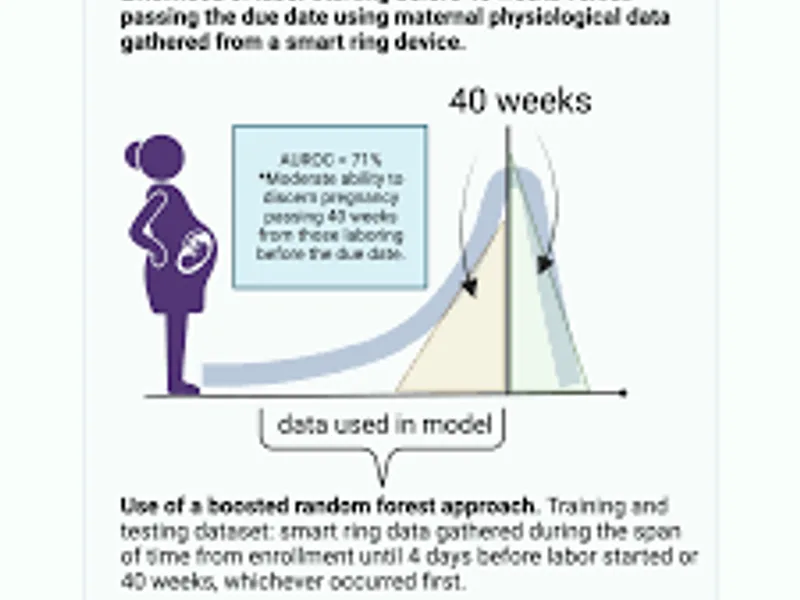
Going past your due date can feel like being stuck in a waiting room with no clock. This guide walks you through what actually happens during monitoring after due date pregnancy — the tests, the decisions, and the emotions nobody really prepares you for.
May 20, 2026
Going past your due date can feel like being stuck in a waiting room with no clock. This guide walks you through what actually happens during monitoring after due date pregnancy — the tests, the decisions, and the emotions nobody really prepares you for.
May 20, 2026
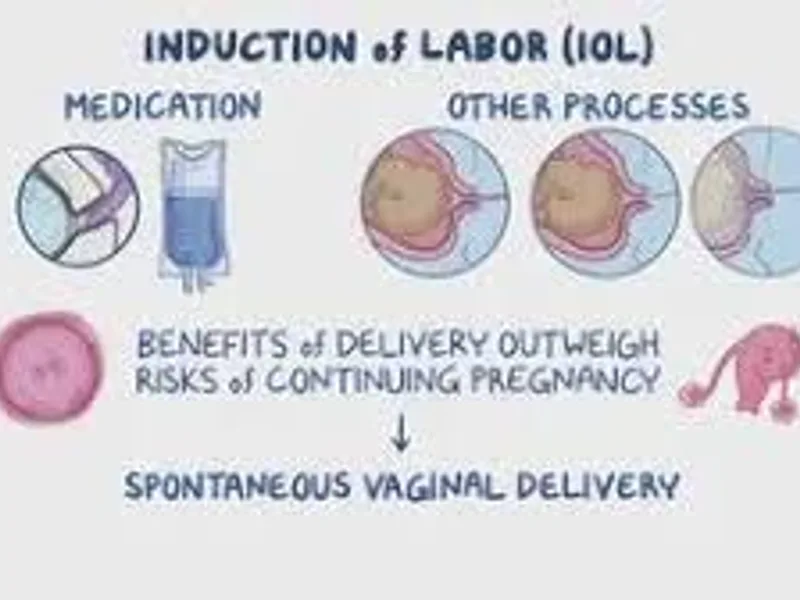
If you’re close to your due date and feeling stuck in waiting mode, this breaks down induction of labor methods in a way that actually makes sense. No jargon, no fluff—just what works, what doesn’t, and what it really feels like from a human perspective.
May 20, 2026