I remember talking to a friend who was three days past her due date, checking her phone every hour like something dramatic would suddenly happen. Nothing did. No contractions. No signs. Just waiting. That quiet stretch after your due date can feel strangely unsettling. If you're dealing with pregnancy due date passed no pain, you're probably asking the same question—why is nothing happening yet? The short answer: it’s more common than people admit.
Short answer—yes. Longer answer—it depends on how far past your due date you are and how your body is progressing.
Most people assume the due date is exact. It’s not. It’s more like a rough estimate. In fact, many pregnancies go 40 weeks plus a few days without any issue. I’ve seen cases where labor only really kicks in at 41 weeks. The body doesn’t follow a calendar.
What nobody mentions is this: labor doesn’t always start with dramatic pain. Sometimes it begins quietly—mild cramps, back discomfort, even just a feeling that something is “off.” And sometimes, there’s absolutely nothing… until suddenly there is.
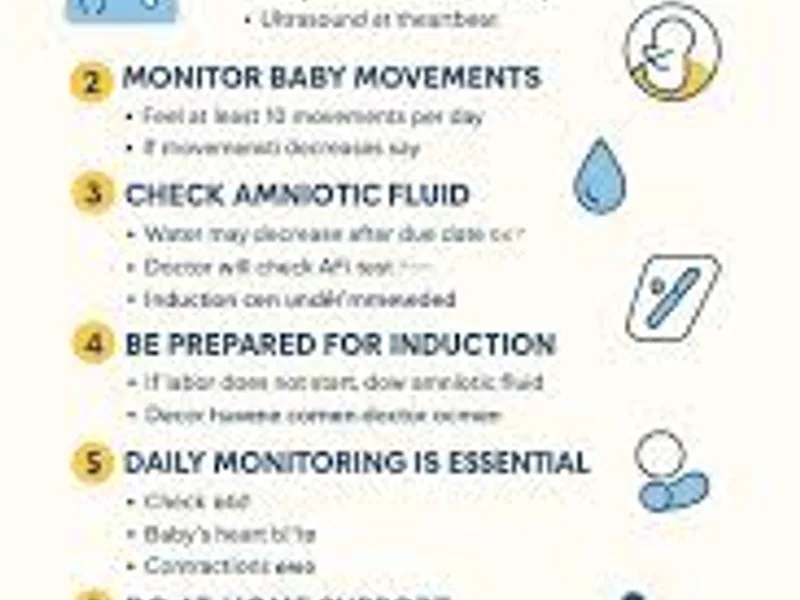
Doctors usually don’t worry immediately. They look at baby movement, fluid levels, and overall health. If those are fine, a few extra days is often just part of the process.
Still, mentally? It’s tough. Waiting is the hardest part.
Let’s skip vague advice and talk about what tends to help—or at least feels like you’re doing something useful.
First, keep moving. Not aggressively. Just regular walking. It helps the baby settle lower into the pelvis, which can encourage labor. I’ve seen this work more often than people expect.
Second, pay attention to your body instead of chasing symptoms. Eat well, stay hydrated, and rest. Sounds basic, but exhaustion doesn’t help labor start—it slows things down.
Then there are the commonly talked-about methods: nipple stimulation, certain exercises, even spicy food. Some of these have mild evidence. Some are just tradition. Honestly, results vary. What works for one person does nothing for another.
And yes, your doctor might suggest a membrane sweep or induction if you go too far past your due date. That’s not a failure. It’s just medical support stepping in at the right time.
The real trick is balance. Do a little. Don’t stress too much. Your body still knows what it’s doing.
The part people don’t say out loud
Here’s something I’ve noticed—people start doubting their body when the due date passes.
They think something is wrong. That they’re “late” or not progressing properly. That’s rarely the case.
The timeline of labor is unpredictable. Some bodies take their time. Others rush. Neither is better.
But waiting can mess with your head. Every small cramp feels like a signal. Then it disappears. That cycle gets exhausting.
If you’re feeling anxious, that’s normal too. Just don’t let it turn into panic. Stay in touch with your doctor. Trust the checkups. That’s what matters more than guessing signs at home.
Conclusion
If your pregnancy due date passed no pain, try not to treat it like something has gone wrong. In many cases, it’s just your body taking its own pace—slower than expected, but still on track. Stay active, keep an eye on baby movements, and follow your doctor’s guidance when needed. The waiting might feel endless, but labor has a way of starting when it’s ready. And when it does, things move faster than you think.
I prefer this response