I remember a friend calling me in tears because her due date had passed… and nothing. No contractions. No pain. Just waiting. And waiting. If you’re in that same spot — pregnancy due date passed no pain — it can feel like your body missed the memo. Everyone around you starts asking questions, and suddenly your calm plan turns into pressure.
The truth is, going past 40 weeks is more common than people admit. But there’s a reason doctors start talking about induction or even surgery around this time. It’s not always urgency — sometimes it’s caution, shaped by years of seeing what can go wrong.
Here’s the part most guides gloss over: your due date isn’t a deadline. It’s a rough estimate. Only a small percentage of women actually deliver on that exact day.
In most cases I’ve seen, when pregnancy due date passed no pain happens, it’s usually because your body just isn’t ready yet. Hormones need to line up perfectly — oxytocin, prostaglandins — and sometimes they just… don’t. Stress, first pregnancy, or even slight miscalculation of dates can push things further.
But here’s where doctors get cautious. After 40 weeks, the placenta — your baby’s lifeline — may not work as efficiently. Amniotic fluid can reduce. Baby size can increase, which makes delivery harder. These aren’t guaranteed problems, but they’re real enough that doctors don’t ignore them.
Honestly, it’s less about panic and more about managing risk before it becomes a problem.
When your pregnancy due date passed no pain stretches into 41 weeks or beyond, your doctor starts weighing two things: “wait and watch” versus “step in early.”
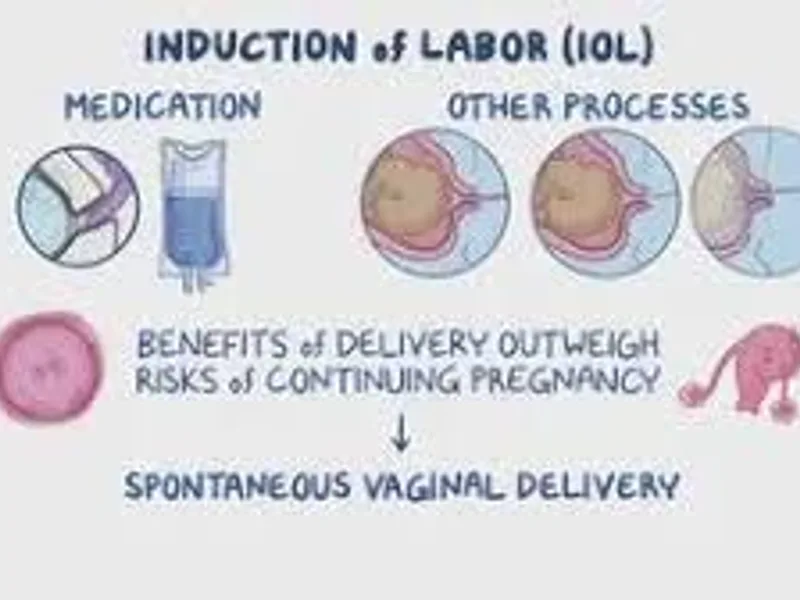
And stepping in doesn’t always mean immediate surgery. Often, they’ll first suggest induction — using medication to start labor. But if induction doesn’t work (and sometimes it doesn’t, especially if your cervix isn’t ready), then a C-section becomes the safer route.
Here’s what actually helps you make sense of it:
If your baby is doing fine — heartbeat steady, movement normal, fluid levels okay — doctors may give you a few extra days. Monitoring becomes more frequent. You’ll probably visit the hospital more than you’d like.
But if there are warning signs — low fluid, reduced baby movement, high blood pressure — waiting stops being the safer option. That’s when surgery gets recommended, not because it’s convenient, but because it lowers immediate risk.
What tends to work better is asking your doctor very direct questions. Not “is this safe?” but “what changes if we wait two more days?” That one question often reveals everything.
The emotional side nobody prepares you for
Let’s be honest. Pregnancy due date passed no pain isn’t just a medical situation — it messes with your head.
You start doubting your body. You feel behind, even though there’s no real “behind.” Family members start giving advice you didn’t ask for. Every small cramp makes you think, “Is this it?” and then… nothing.
I’ve seen women push for surgery just to end the uncertainty. And I’ve also seen others hold on too long out of fear of intervention.
Neither extreme helps. What does help is staying grounded in actual medical feedback, not pressure or fear. Your body isn’t failing you — it’s just not following a neat calendar.
Conclusion
If your pregnancy due date passed no pain, you’re not alone — and you’re not doing anything wrong. This stage is less about patience and more about informed decisions. Doctors recommend surgery after 40 weeks not because it’s routine, but because they’ve seen how quickly situations can shift.
Take the time to understand your specific case. Ask better questions. Trust data over noise. Because in the end, it’s not about waiting longer or acting faster — it’s about choosing the safest path for you and your baby.