

Emergency & Help
24/7 Emergency & General Advisory
🚨 24/7 Medical Emergency
Non-Emergency Advisory
10:00 AM – 6:00 PM, Mon–Sat
For appointments & general queries.
24/7 Emergency & General Advisory
🚨 24/7 Medical Emergency
Non-Emergency Advisory
10:00 AM – 6:00 PM, Mon–Sat
For appointments & general queries.
Learn how much water pregnant women need daily, why it's crucial, and practical tips to stay hydrated throughout pregnancy. Includes trimester-specific advice.

Congratulations on your pregnancy! As you embark on this incredible journey, one of the simplest yet most vital aspects of your health and your baby's well-being is staying adequately hydrated. You've probably heard plenty of advice about what to eat and avoid, but let's focus on something equally important: water. It's the foundation of life, and during pregnancy, your body's need for it increases significantly. This guide will help you understand exactly how much water you should be drinking, why it's so critical, and how to make it a pleasant part of your day.
Think of water as the unsung hero of your pregnancy. It plays a multitude of roles, from supporting your growing baby to keeping your own body functioning optimally. Here's why you need to prioritize that H2O:
Your hydration needs aren't static; they evolve throughout your pregnancy. The general recommendation from the Institute of Medicine is about ten 8-ounce glasses (approximately 2.5 liters) of water per day. However, this is a baseline, and several factors can influence your specific needs.
Even in the early stages, your body is working hard. Nausea and morning sickness might make drinking fluids challenging, but it's crucial to try. Aim for the general recommendation of around 2.5 liters daily. If you're struggling, small, frequent sips can be more manageable.
As your pregnancy progresses, so does your baby's growth and your body's demands. Continue aiming for at least 2.5 liters of water per day. You might find your thirst increases naturally.
This is when your body's needs are at their peak. Your baby is growing rapidly, and your calorie intake should increase. This means your water intake should also rise. While specific numbers can vary, some experts suggest aiming for around 3 liters (about twelve 8-ounce glasses) or more in the final trimester, especially as your body prepares for labor and delivery.
Your water needs aren't just dictated by your trimester. Consider these points:
Your body is usually good at signaling when it needs water. Pay attention to these signs:
Real-life scenario: Priya, in her second trimester, started feeling unusually tired and irritable by mid-afternoon. She noticed her urine was a deeper yellow than usual and her skin felt drier. She realized she’d been relying mostly on tea and a few glasses of water, forgetting her body's increased needs. After consciously increasing her water intake, she felt more energetic and less prone to headaches.
Drinking enough water doesn't have to be a chore. Here are some practical strategies to help you stay on track:
While water is the best choice, other fluids can contribute to your daily intake. However, be mindful of sugar and caffeine content:
While staying hydrated is generally straightforward, it's always wise to discuss your specific needs with your healthcare provider. You should definitely seek medical advice if you experience:
Remember, taking care of yourself by staying hydrated is one of the most loving things you can do for yourself and your growing baby. Cheers to a healthy and happy pregnancy!
Q1: Can I drink mineral water during pregnancy?
Mineral water is generally safe, but it's best not to rely on it as your primary source of hydration daily. Some mineral waters can be high in sodium, which might contribute to swelling.
Q2: Is it okay to drink flavored water?
Plain flavored water with natural additions like fruit or herbs is a better choice than sugary sodas. However, check the labels carefully, as many commercial flavored waters contain artificial sweeteners or added sugars, which are best avoided in large amounts.
Q3: What if I really dislike the taste of water?
Experiment with different methods! Try infusing your water with fruits like lemon, cucumber, or berries. Carbonated water can also be a good option if you prefer a different texture. Eating water-rich fruits and vegetables can also help boost your intake.
Q4: How does hydration affect labor?
Being well-hydrated can help your body function more efficiently during labor. It supports circulation, energy levels, and helps manage body temperature. Dehydration can potentially slow down labor or cause more discomfort.
Q5: I live in a dry climate. Do I need to drink more?
Yes. If you live at high altitudes or in a dry climate, you lose more fluid through breathing and sweating. You will need to consciously increase your water intake to stay properly hydrated.
Visit Hospital
Near You

Going past your due date can feel like being stuck in a waiting room with no clock. This guide walks you through what actually happens during monitoring after due date pregnancy — the tests, the decisions, and the emotions nobody really prepares you for.
May 20, 2026
Going past your due date can feel like being stuck in a waiting room with no clock. This guide walks you through what actually happens during monitoring after due date pregnancy — the tests, the decisions, and the emotions nobody really prepares you for.
May 20, 2026
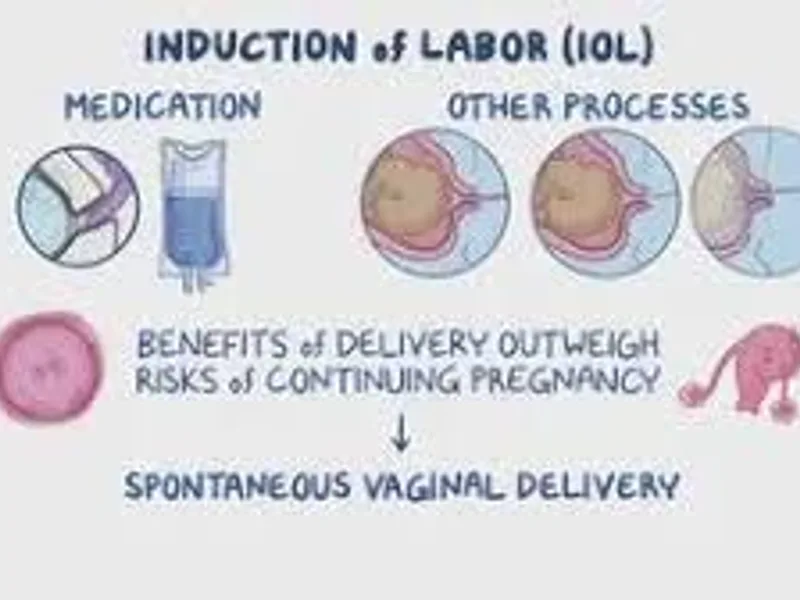
If you’re close to your due date and feeling stuck in waiting mode, this breaks down induction of labor methods in a way that actually makes sense. No jargon, no fluff—just what works, what doesn’t, and what it really feels like from a human perspective.
May 20, 2026