

Emergency & Help
24/7 Emergency & General Advisory
🚨 24/7 Medical Emergency
Non-Emergency Advisory
10:00 AM – 6:00 PM, Mon–Sat
For appointments & general queries.
24/7 Emergency & General Advisory
🚨 24/7 Medical Emergency
Non-Emergency Advisory
10:00 AM – 6:00 PM, Mon–Sat
For appointments & general queries.
Learn about pregnancy-induced thrombocytopenia (PIT), a common condition causing low platelet counts during pregnancy. Understand its causes, symptoms, diagnosis, and impact on mother and baby.

Understanding Pregnancy-Induced Thrombocytopenia: A Guide for Expectant Mothers Pregnancy is a remarkable journey, but it can also bring about various physiological changes, some of which might concern expectant mothers. One such condition is pregnancy-induced thrombocytopenia, a state where the platelet count in the blood drops. While it might sound alarming, it's crucial to understand that this condition is relatively common and often resolves on its own after childbirth. This comprehensive guide aims to shed light on pregnancy-induced thrombocytopenia, its causes, symptoms, diagnosis, treatment, and what it means for both the mother and the baby. What is Thrombocytopenia? Before delving into pregnancy-induced thrombocytopenia, let's understand what thrombocytopenia is. Platelets, also known as thrombocytes, are tiny blood cells that play a vital role in blood clotting. When you get injured, platelets gather at the site of injury to form a plug, stopping the bleeding. Thrombocytopenia is a condition characterized by a lower-than-normal number of platelets in the blood. A typical platelet count ranges from 150,000 to 450,000 platelets per microliter (μL) of blood. In thrombocytopenia, this count drops below 150,000 per μL. What is Pregnancy-Induced Thrombocytopenia? Pregnancy-induced thrombocytopenia (PIT) is a specific type of thrombocytopenia that occurs during pregnancy. It is estimated to affect about 12% of pregnancies and is the most common cause of low platelet counts during this period. The exact mechanisms behind PIT are not fully understood, but it is believed to be related to the significant physiological changes that occur in a woman's body to support the growing fetus. Unlike other forms of thrombocytopenia, PIT is thought to be a direct consequence of the pregnancy itself rather than an underlying medical condition. Causes of Pregnancy-Induced Thrombocytopenia The primary driver behind PIT is the increased blood volume and fluid shifts that happen during pregnancy. As pregnancy progresses, the plasma volume in a woman's body increases significantly to support the fetus. This increase in fluid can lead to a dilution of blood cell counts, including platelets. Essentially, the blood becomes more diluted, making the platelet count appear lower even if the actual production of platelets hasn't decreased substantially. While PIT is often benign, it's important to differentiate it from other, more serious causes of thrombocytopenia that can occur during pregnancy. These can include: Immune Thrombocytopenic Purpura (ITP): An autoimmune disorder where the body's immune system attacks and destroys platelets. Gestational Thrombocytopenia: This is often used interchangeably with PIT, referring to a mild, asymptomatic drop in platelets. Preeclampsia and HELLP Syndrome: These are serious pregnancy complications that can also lead to a significant drop in platelet counts. HELLP syndrome (hemolysis, elevated liver enzymes, and low platelets) is a particularly severe condition. Other Medical Conditions: Infections, certain medications, and other underlying health issues can also contribute to low platelet counts during pregnancy. Your doctor will conduct tests to determine the specific cause of your low platelet count. Symptoms of Pregnancy-Induced Thrombocytopenia One of the key characteristics of PIT is that it often presents with no significant symptoms . Many women are diagnosed with PIT through routine blood tests performed during prenatal check-ups. When symptoms do occur, they are usually mild and can be easily mistaken for common pregnancy discomforts. These might include: Bleeding gums: Especially noticeable when brushing teeth. Easy bruising: Bruises may appear more frequently or larger than usual. Nosebleeds: More frequent or prolonged nosebleeds. It's important to note that severe bleeding is rare with PIT. The threshold for diagnosing PIT is generally a platelet count of 116,000 per μL or lower, which is slightly lower than the general diagnostic threshold for thrombocytopenia. Diagnosis of Pregnancy-Induced Thrombocytopenia The diagnosis of PIT primarily relies on blood tests. Your doctor will likely perform a complete blood count (CBC) as part of your regular prenatal care. If your platelet count is found to be low, your doctor will: Assess the severity: Determine how low the platelet count is. Rule out other causes: Conduct further tests to exclude other conditions like ITP, preeclampsia, or HELLP syndrome. This might involve checking for specific antibodies, liver function tests, and monitoring blood pressure. Monitor over time: If PIT is suspected, your doctor will likely monitor your platelet counts periodically throughout the pregnancy. The absence of other symptoms and the normalization of platelet counts after delivery are key indicators for diagnosing PIT. Treatment for Pregnancy-Induced Thrombocytopenia The good news is that pregnancy-induced thrombocytopenia generally does not require specific medical treatment . Since it's a condition that typically resolves on its own after childbirth, the focus is on monitoring and ensuring the safety of the mother and baby. In most cases, your doctor will simply keep an eye on your platelet levels. If the count drops significantly or if there are concerns about bleeding, your healthcare provider might suggest: Regular monitoring: More frequent blood tests to track platelet counts. Corticosteroids: In rare cases, if the platelet count is very low and there's a risk of bleeding, doctors might prescribe corticosteroids to help increase platelet production. Platelet transfusions: This is extremely rare for PIT and is usually reserved for cases with severe bleeding or before a surgical procedure. The primary goal is to manage the pregnancy safely and ensure a healthy delivery. Can Pregnancy-Induced Thrombocytopenia Affect the Fetus? One of the most reassuring aspects of PIT is its minimal impact on the developing fetus and newborn. Studies and clinical observations suggest that babies born to mothers with PIT generally do not
In summary, timely diagnosis, evidence-based treatment, and prevention-focused care improve long-term health outcomes.
Visit Hospital
Near You
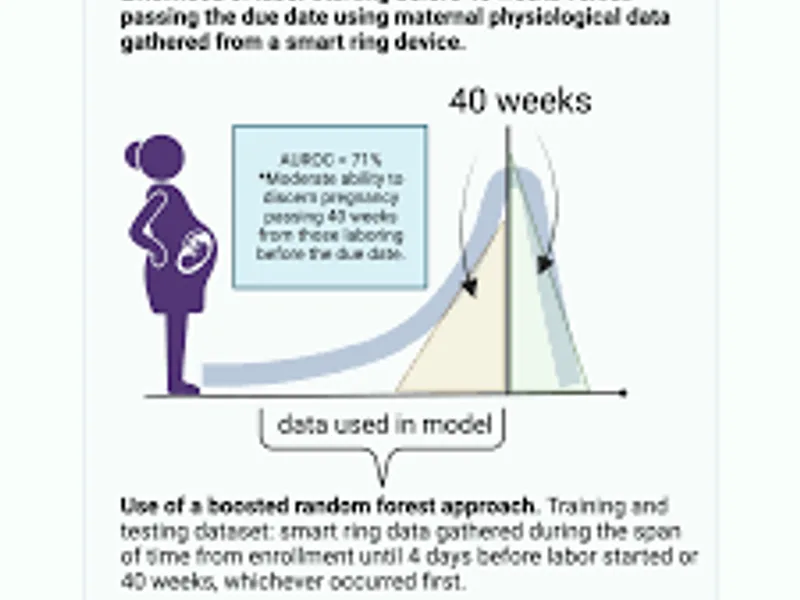
Going past your due date can feel like being stuck in a waiting room with no clock. This guide walks you through what actually happens during monitoring after due date pregnancy — the tests, the decisions, and the emotions nobody really prepares you for.
May 20, 2026
Going past your due date can feel like being stuck in a waiting room with no clock. This guide walks you through what actually happens during monitoring after due date pregnancy — the tests, the decisions, and the emotions nobody really prepares you for.
May 20, 2026
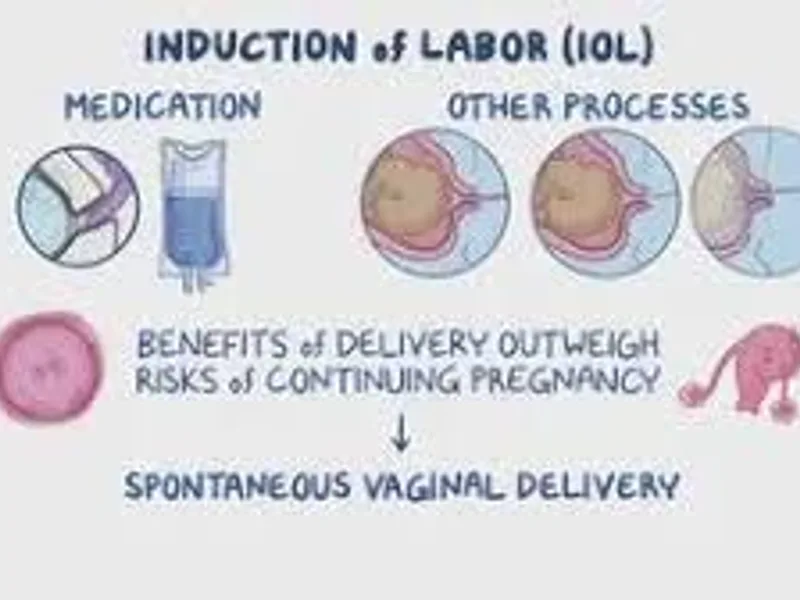
If you’re close to your due date and feeling stuck in waiting mode, this breaks down induction of labor methods in a way that actually makes sense. No jargon, no fluff—just what works, what doesn’t, and what it really feels like from a human perspective.
May 20, 2026