

Emergency & Help
24/7 Emergency & General Advisory
🚨 24/7 Medical Emergency
Non-Emergency Advisory
10:00 AM – 6:00 PM, Mon–Sat
For appointments & general queries.
24/7 Emergency & General Advisory
🚨 24/7 Medical Emergency
Non-Emergency Advisory
10:00 AM – 6:00 PM, Mon–Sat
For appointments & general queries.
Experiencing intense itching during pregnancy? Learn about common causes like stretching skin, hormonal changes, and PUPPP. Discover natural remedies and know when to consult your doctor for relief and safety.
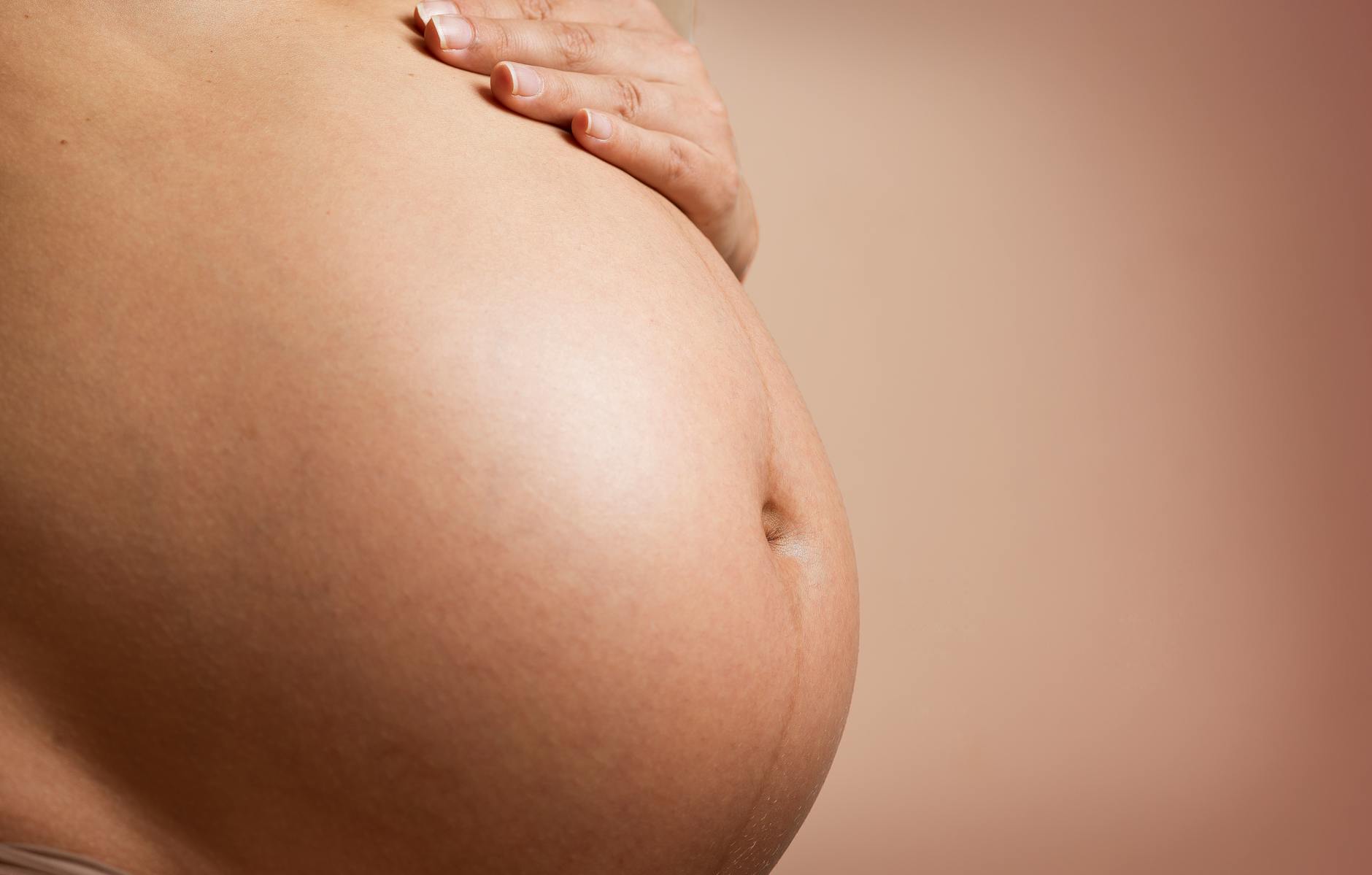
Pregnancy is a transformative journey, often accompanied by a spectrum of physical changes and sensations. While you might expect common discomforts like nausea, fatigue, or heartburn, an intense, persistent itch can be particularly surprising and distressing. Many expectant mothers experience itching during pregnancy, and it's natural to wonder about its cause and how to find relief. This guide aims to shed light on the various reasons behind pregnancy itching, offering practical solutions and clear advice on when to consult your doctor.
The hormonal shifts and physical demands of pregnancy can manifest in numerous ways, and itching is a common, though sometimes concerning, symptom. Let's explore some of the most frequent culprits:
As your baby grows, your skin, especially on your abdomen, breasts, and hips, stretches to accommodate the changes. This rapid expansion can lead to dryness and a feeling of tightness, triggering itchiness. First-time mothers or those carrying multiples often experience more pronounced skin stretching. Furthermore, pregnancy hormones can alter your skin's moisture balance, leading to general dryness and flakiness. Imagine Sarah, who noticed her belly becoming incredibly itchy around her 20th week of pregnancy. Her skin felt tight and dry, especially after showering, making her constantly want to scratch.
Pregnancy involves a significant surge in hormones like estrogen. These hormonal changes influence many bodily functions, including skin sensitivity and oil production. This can sometimes result in a heightened sensation of itchiness across the body, even without a visible rash or underlying condition.
Changes in your body can make your skin more sensitive to everyday products. New perfumes, detergents, soaps, or even certain fabrics can trigger an itchy reaction. What might not have bothered you before pregnancy could now cause irritation. Consider switching to mild, unscented laundry detergents and body care products to see if this helps.
This is one of the most common pregnancy-specific rashes. PUPPP typically appears in the third trimester, often starting around stretch marks on the abdomen. It presents as itchy, red, raised bumps or patches. While uncomfortable, PUPPP is generally harmless to both mother and baby, though it can be intensely bothersome.
Prurigo is characterized by small, crusty, itchy bumps that can appear on the arms, legs, or abdomen at any point during pregnancy. It's thought to be an immune system response to skin changes or stretching. The itching can be severe and may disrupt sleep.
This is a more serious liver disorder that can occur during pregnancy. ICP affects the flow of bile from your liver, leading to a buildup of bile acids in your bloodstream. The primary symptom is intense itching, often starting on the palms of the hands and soles of the feet, and can spread to the rest of the body. ICP requires medical attention as it can pose risks to the baby. It typically appears in the second or third trimester.
Itching in the vaginal area during pregnancy can be due to hormonal changes, increased vaginal discharge, or infections like yeast infections, which are more common during pregnancy. If you experience vaginal itching, it's best to consult your doctor for proper diagnosis and treatment.
Fortunately, many strategies can help manage and soothe pregnancy-related itching:
While occasional itching is normal, certain signs warrant a medical evaluation. It's essential to contact your doctor if you experience any of the following:
If your doctor diagnoses ICP, they will monitor you and your baby closely and may prescribe medication to help manage bile acid levels and induce labor if necessary. Early diagnosis and management are key to ensuring a healthy outcome.
Generally, no. Most types of pregnancy-related itching, especially rashes like PUPPP, tend to appear later in pregnancy, often in the third trimester. Early pregnancy symptoms are usually related to hormonal surges and include things like nausea, fatigue, and missed periods.
Many over-the-counter anti-itch creams, like those containing calamine or hydrocortisone (in low concentrations), are considered safe for short-term use during pregnancy. However, it's always best to consult your doctor or pharmacist before using any medication, even topical ones, to ensure it's appropriate for your specific situation.
For most conditions like stretching skin, dryness, or PUPPP, the itching typically resolves on its own within a few days or weeks after delivery as your body returns to its pre-pregnancy state. However, if the itching was due to a condition like ICP, it will also resolve once the condition is managed, but it requires medical attention during pregnancy.
If the itching is unbearable and significantly impacting your quality of life or sleep, it's crucial to seek medical advice. Your doctor can help identify the cause and recommend stronger, safe treatment options or further investigations.
Navigating the discomforts of pregnancy can be challenging, but understanding the causes of itching and knowing when to seek help empowers you to manage this symptom effectively. Prioritize your comfort and well-being, and don't hesitate to reach out to your healthcare provider with any concerns.
Visit Hospital
Near You

Going past your due date can feel like being stuck in a waiting room with no clock. This guide walks you through what actually happens during monitoring after due date pregnancy — the tests, the decisions, and the emotions nobody really prepares you for.
May 20, 2026
Going past your due date can feel like being stuck in a waiting room with no clock. This guide walks you through what actually happens during monitoring after due date pregnancy — the tests, the decisions, and the emotions nobody really prepares you for.
May 20, 2026

If you’re close to your due date and feeling stuck in waiting mode, this breaks down induction of labor methods in a way that actually makes sense. No jargon, no fluff—just what works, what doesn’t, and what it really feels like from a human perspective.
May 20, 2026