

Emergency & Help
24/7 Emergency & General Advisory
🚨 24/7 Medical Emergency
Non-Emergency Advisory
10:00 AM – 6:00 PM, Mon–Sat
For appointments & general queries.
24/7 Emergency & General Advisory
🚨 24/7 Medical Emergency
Non-Emergency Advisory
10:00 AM – 6:00 PM, Mon–Sat
For appointments & general queries.
Experiencing drenching sweats during pregnancy? Learn about the common causes, from hormonal shifts to increased blood flow, and discover practical tips for relief and when to consult your doctor.

Being pregnant is a time of incredible change, and while you're busy preparing for your little one, your body is going through its own remarkable journey. You might be managing nausea, fatigue, and frequent bathroom trips like a champ, but then there are the night sweats. Waking up drenched in sweat can feel unsettling and disrupt your much-needed sleep. You might wonder, "Is this normal? What's causing it?" Let's explore the reasons behind these nighttime sweats and what you can do to find relief.
In medical terms, night sweats are often described as drenching sweats that soak your clothes or bedding, requiring a change. For some pregnant individuals, it might manifest as intense hot flashes during sleep, leaving you feeling overheated and uncomfortable. It's a common experience, and you're definitely not alone.
Several physiological shifts during pregnancy can contribute to increased sweating at night. These changes are your body's way of adapting to support the growing baby.
Hormones play a starring role in pregnancy, and they're a primary suspect when it comes to night sweats. Estrogen and progesterone levels change dramatically throughout pregnancy. Estrogen tends to lower body temperature by helping your body dissipate heat, while progesterone can raise your body temperature. This push and pull can sometimes lead to feelings of being too hot, especially at night.
A Real-Life Scenario: Priya, in her second trimester, often found herself waking up in a pool of sweat, her pyjamas clinging uncomfortably. She'd change her clothes, try to cool down, and then struggle to fall back asleep, worrying about her baby.
Your body works harder during pregnancy, and your blood plasma volume increases significantly – by up to 40% and sometimes more by the third trimester. This increased circulation, along with a natural rise in your core body temperature, can make you feel warmer overall. Your blood vessels dilate to bring more blood to your skin's surface, further contributing to that "hot" sensation. This increased peripheral skin temperature might interfere with your body's usual cooling mechanisms during sleep, leading to those sudden wake-ups feeling drenched.
Your thyroid gland produces hormones that regulate your metabolism and body temperature. During the first trimester, levels of thyroid hormones like thyroxine (T4) and tri-iodothyronine (T3) often increase. While they might slightly decrease in later trimesters, these hormonal shifts can influence your body's temperature regulation, potentially contributing to night sweats.
While hormonal and physiological changes are common culprits, sometimes night sweats can signal an underlying issue. Pregnant individuals can be more susceptible to certain infections. If your night sweats are accompanied by other symptoms like fever, chills, or unexplained weight loss, it's important to consult your doctor.
While you can't always eliminate night sweats completely, there are several strategies you can employ to make yourself more comfortable and improve your sleep quality.
Drinking plenty of water throughout the day can help regulate your body temperature. Keep a glass of cool water by your bedside in case you wake up feeling thirsty or overheated.
Stress can sometimes exacerbate feelings of being overheated. Practicing relaxation techniques like deep breathing exercises or gentle prenatal yoga can help promote a sense of calm before sleep.
While night sweats are often a normal part of pregnancy, there are times when you should seek medical advice. It's essential to talk to your healthcare provider if:
Your doctor can help rule out any underlying infections or other medical conditions and provide personalized advice for managing your symptoms.
Most of the time, night sweats during pregnancy are due to normal hormonal and physiological changes. However, if they are severe, persistent, or accompanied by other concerning symptoms like fever or weight loss, it's important to get them checked by a doctor to rule out other causes.
Generally, night sweats themselves do not directly harm your baby. They are a symptom of your body's changes. However, severe sleep disruption due to night sweats can affect your energy levels and overall well-being, which indirectly impacts your pregnancy.
For many women, night sweats lessen or stop after delivery as hormone levels begin to stabilize. However, some women may experience them for a period postpartum, especially if they are breastfeeding, due to ongoing hormonal shifts.
Most people do not notice early warning signs right away. That is common. A simple symptom diary, basic routine checks, and timely follow-up visits can prevent small problems from becoming serious.
If you are already on treatment, stay consistent with medicines and lifestyle advice. If your symptoms change, do not guess. Check with a qualified doctor and update your plan early.
Write down symptoms, triggers, and timing for a few days.
Carry old prescriptions and test reports to your consultation.
Ask clearly about side effects, red-flag signs, and follow-up dates.
Seek urgent care for severe pain, breathing trouble, bleeding, fainting, or sudden worsening.
Visit Hospital
Near You
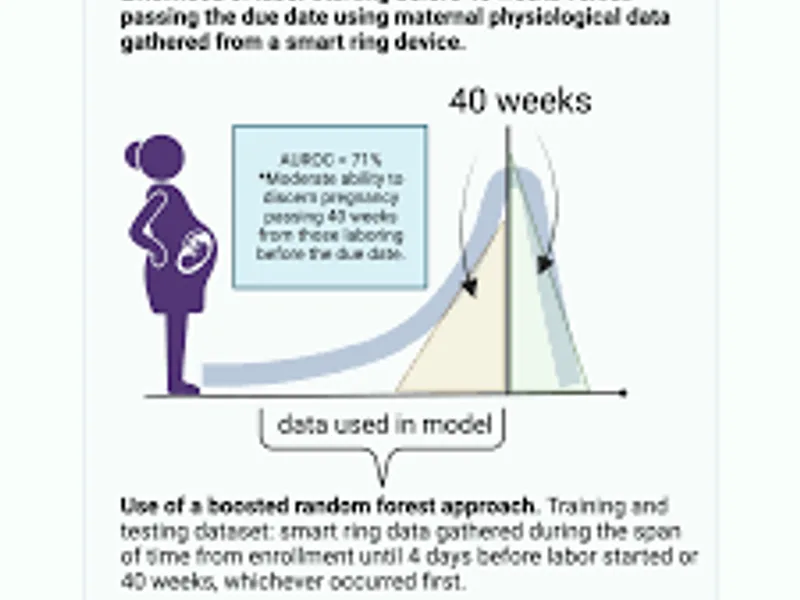
Going past your due date can feel like being stuck in a waiting room with no clock. This guide walks you through what actually happens during monitoring after due date pregnancy — the tests, the decisions, and the emotions nobody really prepares you for.
May 20, 2026
Going past your due date can feel like being stuck in a waiting room with no clock. This guide walks you through what actually happens during monitoring after due date pregnancy — the tests, the decisions, and the emotions nobody really prepares you for.
May 20, 2026
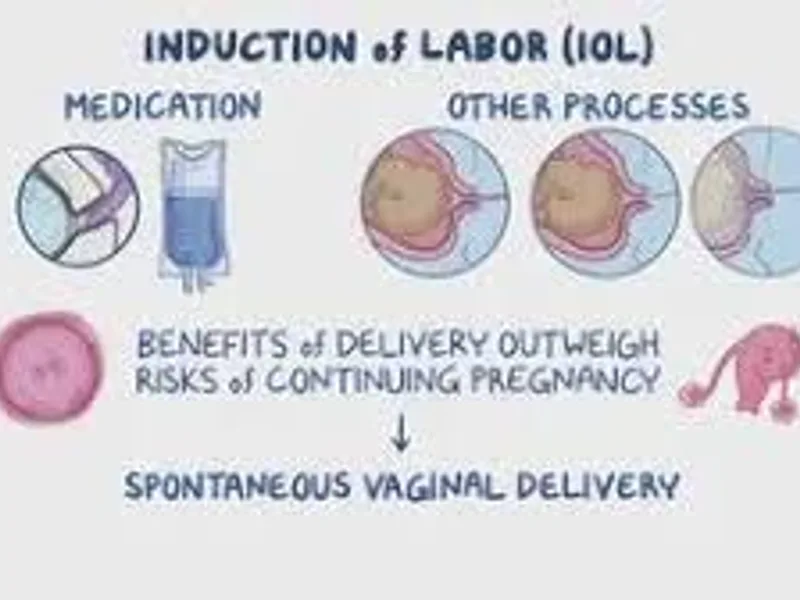
If you’re close to your due date and feeling stuck in waiting mode, this breaks down induction of labor methods in a way that actually makes sense. No jargon, no fluff—just what works, what doesn’t, and what it really feels like from a human perspective.
May 20, 2026