

Emergency & Help
24/7 Emergency & General Advisory
🚨 24/7 Medical Emergency
Non-Emergency Advisory
10:00 AM – 6:00 PM, Mon–Sat
For appointments & general queries.
24/7 Emergency & General Advisory
🚨 24/7 Medical Emergency
Non-Emergency Advisory
10:00 AM – 6:00 PM, Mon–Sat
For appointments & general queries.
Explore the best stretch mark creams and oils for pregnancy. Learn about ingredients, benefits, and how to choose the right product to keep your skin hydrated and comfortable during your pregnancy journey.
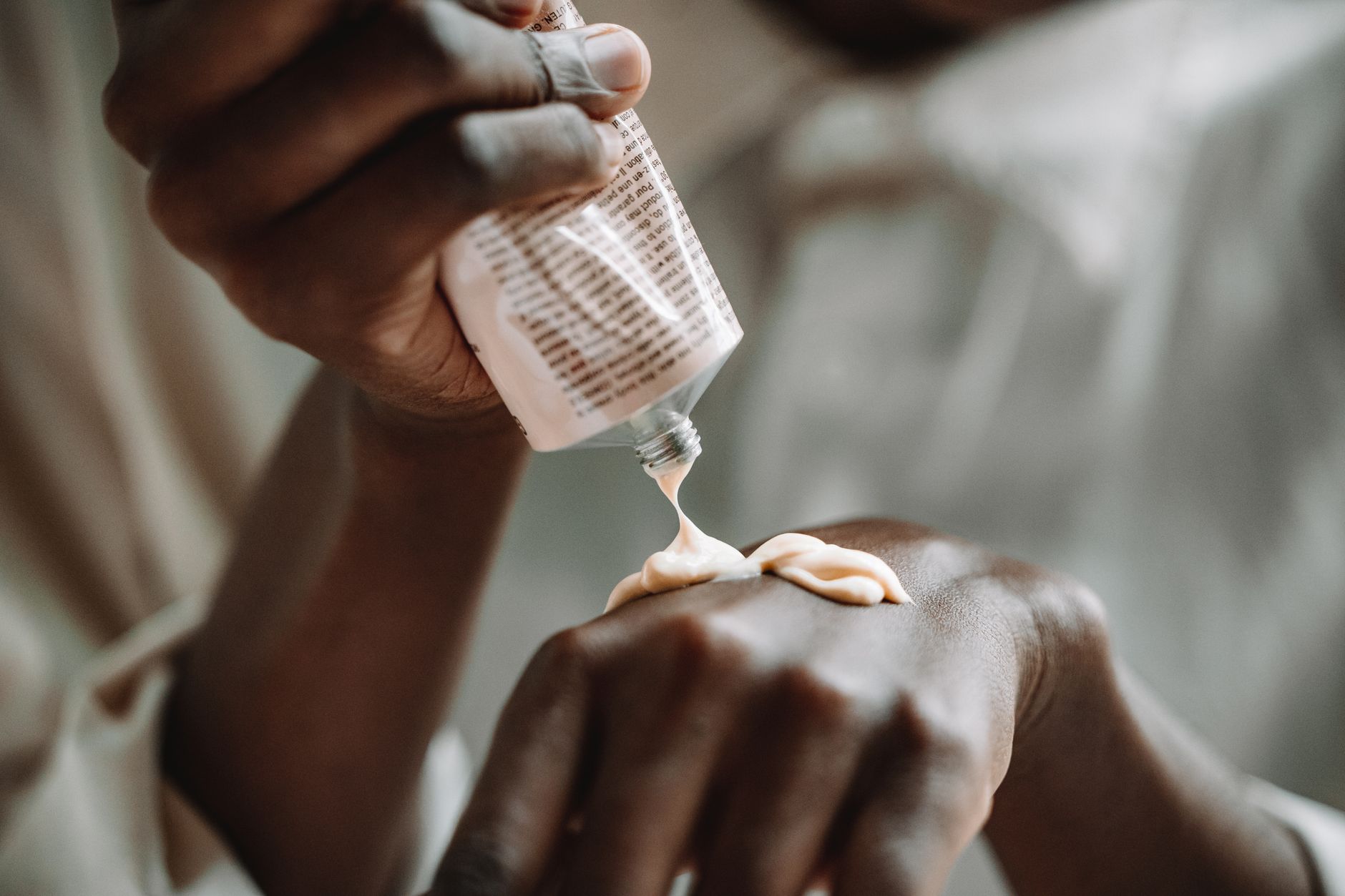
Pregnancy is a beautiful journey, a time of incredible transformation. As your body nurtures new life, it undergoes significant changes, and one of the most common is the appearance of stretch marks. These marks, often appearing on the abdomen, breasts, hips, and thighs, are a natural part of this process for many women. While they are a sign of your body's amazing ability to expand and grow, some expectant mothers seek ways to minimize their appearance and keep their skin comfortable. This guide explores the world of stretch mark creams and oils designed for pregnancy, helping you make informed choices to care for your skin during this special time. Understanding Stretch Marks During Pregnancy Stretch marks, medically known as striae gravidarum during pregnancy, occur when the middle layer of skin (the dermis) stretches faster than it can maintain its structure. This rapid stretching can cause the elastic fibers in the skin to break, leading to the formation of these lines. Initially, they might appear reddish or purplish, but over time, they tend to fade to a silvery or white hue. It's important to understand that stretch marks are incredibly common. Studies suggest that anywhere from 50% to 90% of pregnant women develop them. Genetics play a significant role, so if your mother or sister developed stretch marks during pregnancy, you might be more prone to them. Other factors include the amount of weight gained, the rate of weight gain, and the elasticity of your skin. A common scenario: Maya, in her seventh month of pregnancy, noticed faint pinkish lines appearing on her lower abdomen. She started to feel a little anxious, wondering if they would spread and become very noticeable. She recalled her own mother mentioning stretch marks during her pregnancies and felt a bit helpless. Maya wanted to find something to help her skin feel more comfortable and perhaps reduce how prominent these new marks would become. Can Creams Really Prevent Stretch Marks? The honest answer is that there's no magic cream proven to completely prevent stretch marks. Medical professionals and dermatologists agree that the evidence for the preventative power of specific creams is limited. However, this doesn't mean topical treatments are without benefit. Keeping your skin well-moisturized is key! Why moisturizing matters: Supports Skin Elasticity: As your skin stretches, maintaining hydration helps keep it supple and more resilient. Well-hydrated skin is less likely to tear. Improves Circulation: Gently massaging creams or oils into your skin can boost blood flow to the area, promoting healthier skin tissue. Soothes Discomfort: Pregnancy can bring itchy, dry skin. Moisturizers provide much-needed relief and make your skin feel more comfortable. Think of it this way: while a cream might not be a foolproof shield, it acts as a supportive partner in skin care during pregnancy. It helps your skin adapt to the changes it's experiencing, making the process more comfortable and potentially minimizing the depth and visibility of stretch marks. Choosing the Right Stretch Mark Cream for Pregnancy When selecting a product, focus on ingredients that hydrate, nourish, and support skin health. Many creams and oils utilize a blend of natural butters, oils, and plant extracts. Here are some key ingredients and types of products to look for: Key Ingredients to Look For: Shea Butter and Cocoa Butter: These rich emollients deeply moisturize and create a protective barrier on the skin. Hyaluronic Acid: Known for its ability to retain moisture, it helps keep skin plump and hydrated. Plant Oils: Ingredients like avocado oil, almond oil, coconut oil, and jojoba oil are rich in fatty acids and vitamins that nourish the skin. Peptides: These compounds can help support collagen production, which is vital for skin elasticity. Vitamin E: An antioxidant that helps protect skin and promote healing. Centella Asiatica (Gotu Kola): Some research suggests it may help with wound healing and collagen synthesis. Types of Products: Creams: Generally thicker and provide intense hydration. Lotions: Lighter in texture, good for daily use and widespread application. Oils: Can be very effective for deep moisturization and massage. Look for pregnancy-safe oils. Butters: Rich, dense formulations that offer deep nourishment, often preferred for very dry or stretching skin. Top Stretch Mark Creams and Oils for Pregnancy Based on expert recommendations and user feedback, here are some highly regarded options. Remember that individual results can vary, and what works best for one person might differ for another. 1. Best Overall: Mustela Stretch Marks Cream This cream is frequently praised for its formulation, including avocado peptides and polyphenols, which are known to support skin elasticity. It's often highlighted for being EWG verified and made with a high percentage of plant-based ingredients. Many users find it effective for keeping skin supple and comfortable during pregnancy. It is free from parabens, phthalates, and sulfates, making it a safe choice. 2. Best Splurge: Mutha Body Butter If you're looking for a luxurious self-care experience, this body butter is a top contender. While it comes at a higher price point, many users feel the rich, indulgent texture and quality ingredients like shea butter, cocoa butter, and mango butter make it worth the investment. Its subtle citrus fragrance is often noted as pleasant, and its hypoallergenic properties make it suitable for sensitive skin. 3. Best Belly Oil: Bio-Oil Skincare Oil Bio-Oil is a widely recognized product for its effectiveness in improving the appearance of scars and stretch marks. Its unique formulation includes plant extracts and vitamins suspended in an oil base. It's designed to help smooth and tone the skin, and its non-greasy formula is easily absorbed. It's a popular choice for its versatility and long-standing reputation. 4. Best Oil (Runner-Up): Pipette Belly Oil For those seeking a pure and gentle option, Pipette Belly Oil is a great choice. Formulated with plant-derived squalane and a blend of nourishing oils like rosehip and jojoba, it aims to moisturize and improve skin elasticity. It's hypoallergenic, vegan, and free from harsh chemicals, making it a safe and effective option for pregnant individuals. 5. Best Organic: Glow Organics Pure Organic Belly Butter If organic ingredients are a priority, this belly butter is an excellent option. Made with 100% USDA organic ingredients, it provides deep hydration and nourishment. Its rich texture is perfect for combating dryness and supporting the skin as it stretches. It's a fantastic choice for those who want peace of mind knowing exactly what they are applying to their skin. 6. Most Affordable: Palmer's Cocoa Butter Formula Massage Lotion for Stretch Marks Palmer's is a drugstore staple that offers an effective and budget-friendly solution. This lotion is formulated with a blend of pure cocoa butter, shea butter, and vitamin E. It's designed to improve skin elasticity and reduce the appearance of stretch marks. Its rich, creamy texture is well-loved by many for its moisturizing capabilities. 7. Best for Sensitive Skin: Earth Mama Belly Butter Earth Mama is known for its range of pregnancy-safe products. This belly butter is formulated with a blend of moisturizing ingredients like shea butter, cocoa butter, and various plant oils. It's specifically designed to be gentle on sensitive skin, offering relief from dryness and itchiness without harsh chemicals or artificial fragrances. Its natural scent is often appreciated. 8. Best Drugstore Buy: Burt's Bees Mama Bee Belly Butter This unscented belly butter from Burt's Bees is a fantastic option for those who prefer fragrance-free products or have sensitivities. Made with 99% natural ingredients, including shea butter and vitamin E, it effectively moisturizes and helps soften the skin. It's a readily available and affordable choice that provides reliable hydration. When to Consult a Doctor or Dermatologist While stretch mark creams are generally safe, it's always a good idea to discuss any new skincare products with your healthcare provider, especially if you have pre-existing skin conditions or concerns. Your doctor or a dermatologist can offer personalized advice based on your specific needs and skin type. They can also help manage any concerns you might have about skin changes during pregnancy. Consult your doctor if: You experience severe itching or skin irritation. You have concerns about the appearance of your stretch marks that go beyond typical concerns. You are unsure about the safety of specific ingredients during pregnancy. FAQs About Pregnancy Stretch Mark Creams Q1: Can I start using stretch mark cream before I get pregnant? Yes, you can start using moisturizing creams and lotions on areas prone to stretch marks (like your abdomen, hips, and thighs) even before pregnancy to improve overall skin hydration and elasticity. However, the primary focus of these specialized products is during pregnancy when the skin is undergoing rapid expansion. Q2: How often should I apply stretch mark cream? For best results, apply your chosen cream or oil at least twice a day, once in the morning and once in the evening. Gently massage it into the skin, focusing on areas where you are most likely to develop stretch marks. Q3: Are stretch marks permanent? Stretch marks are typically permanent, but their appearance usually fades significantly over time, becoming less noticeable. While
In summary, timely diagnosis, evidence-based treatment, and prevention-focused care improve long-term health outcomes.
Visit Hospital
Near You
Going past your due date can feel like being stuck in a waiting room with no clock. This guide walks you through what actually happens during monitoring after due date pregnancy — the tests, the decisions, and the emotions nobody really prepares you for.
May 20, 2026
Going past your due date can feel like being stuck in a waiting room with no clock. This guide walks you through what actually happens during monitoring after due date pregnancy — the tests, the decisions, and the emotions nobody really prepares you for.
May 20, 2026
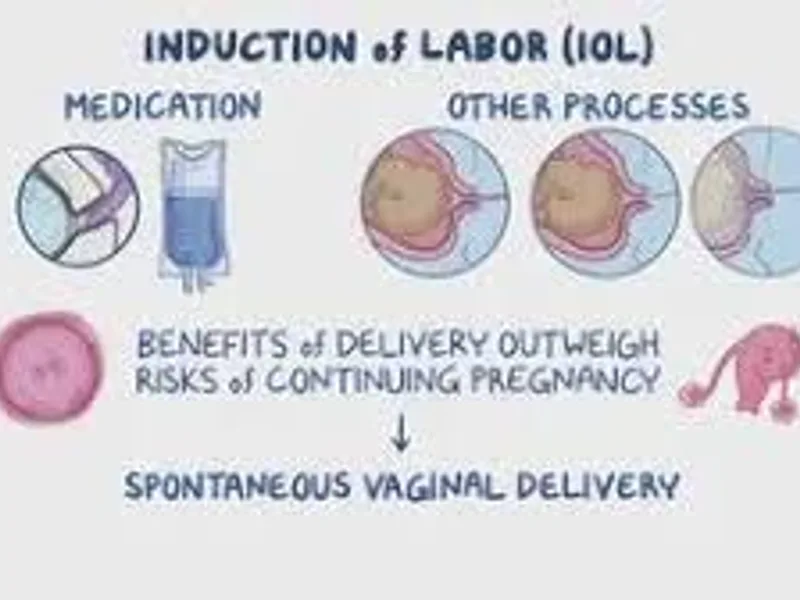
If you’re close to your due date and feeling stuck in waiting mode, this breaks down induction of labor methods in a way that actually makes sense. No jargon, no fluff—just what works, what doesn’t, and what it really feels like from a human perspective.
May 20, 2026