

Emergency & Help
24/7 Emergency & General Advisory
🚨 24/7 Medical Emergency
Non-Emergency Advisory
10:00 AM – 6:00 PM, Mon–Sat
For appointments & general queries.
24/7 Emergency & General Advisory
🚨 24/7 Medical Emergency
Non-Emergency Advisory
10:00 AM – 6:00 PM, Mon–Sat
For appointments & general queries.
Explore effective strategies and top-rated products for managing and potentially minimizing pregnancy stretch marks. Learn what ingredients to look for and practical tips for healthy skin.
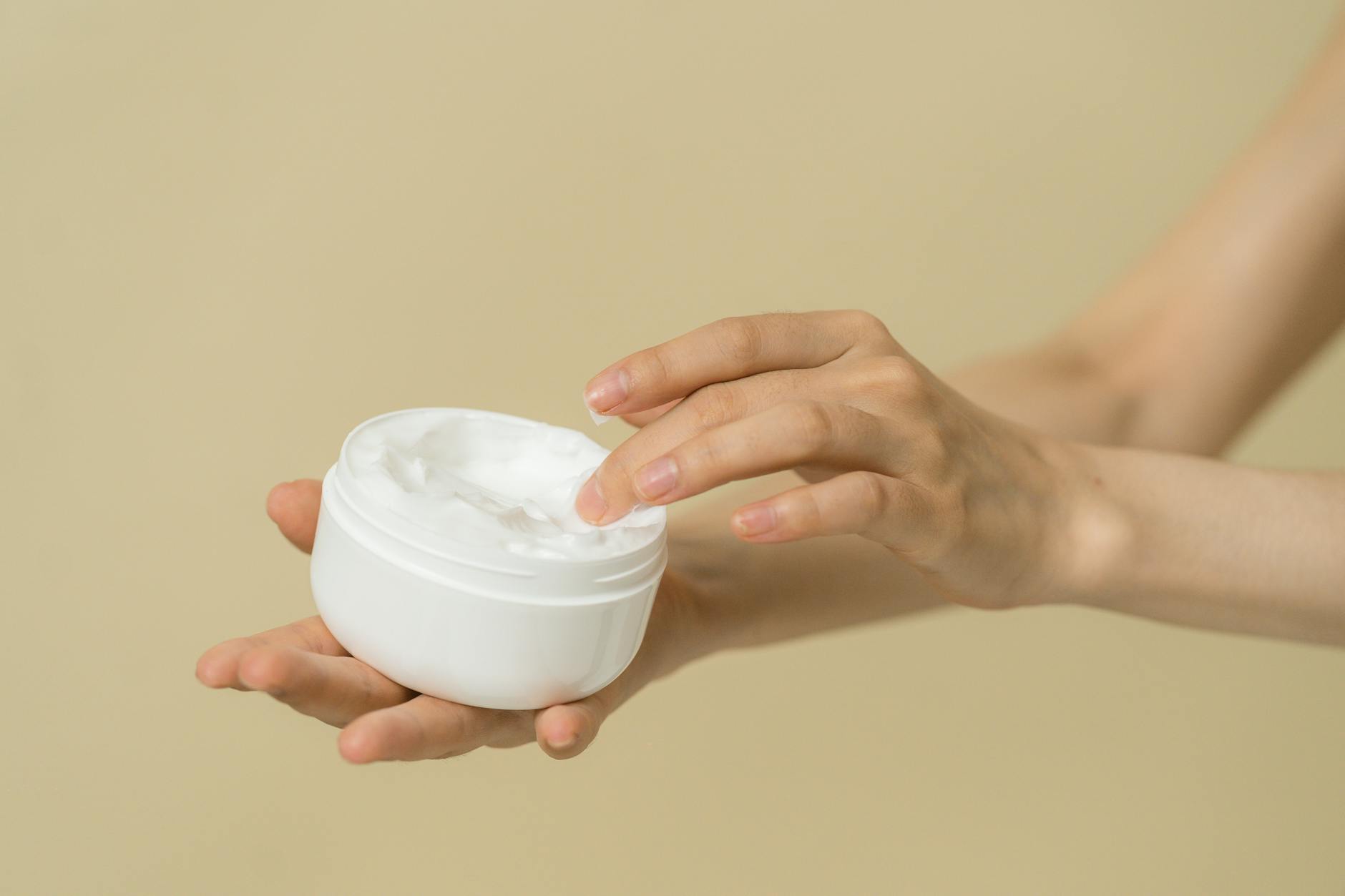
Pregnancy is a time of incredible change for your body, and while many of these changes are beautiful, some can be a little unsettling. Stretch marks are a common concern for expectant mothers, appearing as reddish or purplish lines that gradually fade to a silvery hue. They're a natural part of the pregnancy journey for many women, but that doesn't mean you can't take steps to care for your skin during this time.
Stretch marks, medically known as striae gravidarum during pregnancy, happen when your skin stretches rapidly. This stretching causes the middle layer of your skin (the dermis) to tear. As the skin heals, scars form, which we see as stretch marks. While genetics play a role in who gets them and how severe they are, factors like rapid weight gain, increased hormone levels, and the elasticity of your skin all contribute.
It's important to remember that stretch marks are not a sign of poor health or a reflection of your body's ability to carry a baby. They are a normal physiological response to the significant expansion your skin undergoes. Many women find that their stretch marks fade considerably over time, becoming less noticeable after childbirth.
This is a question many expectant mothers ask, and the honest answer is a bit nuanced. Currently, there isn't a single miracle cream or oil that is scientifically proven to completely prevent stretch marks. Dermatologists agree that strong, evidence-based proof for prevention is lacking. However, this doesn't mean topical treatments are useless.
Keeping your skin well-hydrated and moisturized is key. When your skin is supple and elastic, it can better accommodate the stretching that occurs during pregnancy. Think of it like stretching a rubber band: a dry, brittle band is more likely to snap than a well-conditioned, flexible one. Moisturizers help improve your skin's elasticity and circulation, making it more resilient to the tears that cause stretch marks.
So, while a cream might not guarantee you'll be stretch-mark-free, it can certainly help your skin feel better, look healthier, and potentially minimize their appearance and severity. Any body lotion, oil, or cream with pregnancy-safe ingredients can be beneficial. The goal is consistent hydration.
After consulting with mothers and dermatologists, we've gathered some highly recommended products that focus on hydration and skin elasticity. Remember, what works best can vary from person to person, but these options are popular for good reason:
This cream is a favorite because it's EWG verified and made from 97% plant-based ingredients. Key components include avocado oil, avocado peptides, passion fruit polyphenols, and witch hazel extract. These ingredients work together to nourish and support the skin's elasticity. Online reviewers often praise its fragrance-free nature, though some note a very mild, pleasant scent. It's free from parabens, phthalates, and sulfates, making it a safe choice.
If you're looking for a more luxurious self-care experience, this body butter might be worth the investment. Customers rave about its rich, high-quality texture and find the price justified by the indulgent feel. It features a whipped-like formula with a subtle citrus fragrance and is packed with ingredients like shea butter, cocoa butter, and mango butter to deeply moisturize and soothe the skin.
Bio-Oil is a well-known name in skincare, and its formulation is designed to help improve the appearance of scars and uneven skin tone, including stretch marks. It contains a blend of plant extracts and vitamins, such as Purcellin Oil, vitamin A, and vitamin E, which help to condition the skin. Its light texture is easily absorbed, making it a good option for daily use.
Pipette offers a plant-derived belly oil that is hypoallergenic and formulated with sensitive skin in mind. It's made with ingredients like tamanu oil, which is known for its regenerative properties, and a blend of other nourishing plant oils. This oil aims to provide deep hydration and improve skin elasticity without synthetic fragrances or harsh chemicals.
For those prioritizing organic ingredients, this belly butter is made with 100% USDA organic ingredients. It's a rich blend designed to deeply moisturize and support the skin as it expands. The focus on pure, organic components makes it an appealing choice for mothers seeking natural skincare solutions during pregnancy.
Palmer's is a drugstore staple, and this lotion is a budget-friendly option that many women have trusted for years. It's formulated with cocoa butter and vitamin E, known for their moisturizing properties. While affordable, it effectively hydrates the skin and can help improve its suppleness. It's a readily available choice that doesn't compromise on basic hydration needs.
Earth Mama is known for its natural and organic products, and this belly butter is formulated specifically for sensitive skin. It's free from common irritants and made with nourishing ingredients like shea butter, cocoa butter, and various plant oils. This unscented option is gentle yet effective in keeping the skin hydrated and comfortable during pregnancy.
This unscented belly butter from Burt's Bees is a fantastic drugstore find, suitable for use both during and after pregnancy. It's formulated with 99% natural ingredients, including shea butter and vitamin E, to provide deep moisturization. Its simple yet effective formula makes it a reliable choice for daily skin care, helping to keep your belly skin soft and elastic.
When choosing a product, focus on ingredients that hydrate and support skin elasticity:
It's also wise to be aware of ingredients you might want to avoid during pregnancy, such as:
Beyond creams and oils, incorporating these habits can support your skin's health:
Priya, in her second trimester, noticed the first faint lines appearing on her lower abdomen. She felt a pang of anxiety, remembering comments from friends about stretch marks. Instead of panicking, she decided to focus on what she could control. She started using a rich, unscented belly butter twice a day after her shower and made sure to drink extra water. She also focused on eating nutrient-dense foods. While she knew there were no guarantees, she felt empowered by taking proactive steps to care for her skin.
While stretch marks are common and usually harmless, it's always a good idea to discuss any concerns with your healthcare provider. They can offer personalized advice based on your health history and pregnancy. If you experience sudden, excessive skin changes, severe itching, or any other unusual symptoms, seek medical advice promptly.
Most stretch marks fade significantly over time, often becoming silvery or white and much less noticeable. Complete disappearance is rare, but their appearance usually improves greatly within a year or two after pregnancy.
No, stretch marks can occur at any time of rapid skin stretching, including during puberty, significant weight gain or loss, and bodybuilding. However, they are most commonly associated with pregnancy due to the extensive skin expansion and hormonal changes.
Yes, absolutely! Any good quality, hydrating body lotion or oil that is safe for use during pregnancy can be effective. The key is consistent application to keep the skin moisturized and supple.
Visit Hospital
Near You
Going past your due date can feel like being stuck in a waiting room with no clock. This guide walks you through what actually happens during monitoring after due date pregnancy — the tests, the decisions, and the emotions nobody really prepares you for.
May 20, 2026
Going past your due date can feel like being stuck in a waiting room with no clock. This guide walks you through what actually happens during monitoring after due date pregnancy — the tests, the decisions, and the emotions nobody really prepares you for.
May 20, 2026
If you’re close to your due date and feeling stuck in waiting mode, this breaks down induction of labor methods in a way that actually makes sense. No jargon, no fluff—just what works, what doesn’t, and what it really feels like from a human perspective.
May 20, 2026