

Emergency & Help
24/7 Emergency & General Advisory
🚨 24/7 Medical Emergency
Non-Emergency Advisory
10:00 AM – 6:00 PM, Mon–Sat
For appointments & general queries.
24/7 Emergency & General Advisory
🚨 24/7 Medical Emergency
Non-Emergency Advisory
10:00 AM – 6:00 PM, Mon–Sat
For appointments & general queries.
Explore what pregnancy symptoms, if any, you might experience at 4 days past ovulation (4 DPO). Understand the early signs and the timeline of conception.

Trying to conceive can be an emotional journey, filled with anticipation and hope. As soon as you ovulate, the question often arises: "Could I be pregnant?" Many women eagerly await any sign, wondering if subtle bodily changes might indicate that a tiny life is beginning to grow. You might be asking yourself, "Can I feel pregnancy symptoms as early as 4 days past ovulation (4 DPO)?" It's a common question, especially when you're hyper-aware of every sensation your body experiences.
Let's talk honestly about what's happening in your body at 4 DPO and what symptoms, if any, you might realistically expect. While some women do report experiencing very early pregnancy signs, it's important to understand the biological timeline. The reality is that 4 DPO is extremely early in the process. If fertilization has occurred, the journey from fallopian tube to the uterus is just beginning, and implantation hasn't happened yet.
Ovulation is when an egg is released from your ovary, ready to be fertilized. If sperm are present, fertilization can happen within about 12 to 24 hours. After fertilization, the egg, now a zygote, begins its slow journey down the fallopian tube towards the uterus. This trip typically takes about 5 to 7 days. So, at 4 DPO, if fertilization occurred, you're looking at a fertilized egg that has only just begun its travels. It hasn't reached the uterus yet, let alone implanted into the uterine lining.
Implantation, the process where the fertilized egg attaches to the uterine wall, usually happens between 6 to 12 days after ovulation. This is when your body starts producing the pregnancy hormone human chorionic gonadotropin (hCG), which is what pregnancy tests detect. So, at 4 DPO, hCG levels are typically nonexistent or too low to be detected by any test.
This is where things can get a little confusing. Some women report feeling symptoms as early as 4 DPO. However, it's crucial to understand that these symptoms are far more likely to be related to your normal hormonal fluctuations during the luteal phase of your cycle (the phase after ovulation) rather than actual pregnancy. Your body is preparing for a potential pregnancy, and these hormonal shifts can mimic early pregnancy signs.
Think of it this way: your body is in a state of readiness. If pregnancy doesn't occur, your body will prepare to shed the uterine lining, leading to your period. If pregnancy does occur, your body will continue to support it. The hormonal signals that cause pregnancy symptoms are still ramping up significantly after implantation.
A Real-Life Scenario: Priya has been trying to conceive for six months. After tracking her ovulation, she felt a twinge in her lower abdomen and her breasts felt a bit sore on day 4 past ovulation. She immediately jumped online, searching "early pregnancy symptoms." While her symptoms are real, they are very similar to what she experiences most months just before her period, making it hard to distinguish.
Some women do experience light spotting around the time of implantation, which they might refer to as implantation bleeding. However, implantation typically happens 6 to 12 days after fertilization. Therefore, spotting at 4 DPO is highly unlikely to be implantation bleeding. If you notice any spotting at 4 DPO, it's more probable that it's related to other factors in your cycle, or it could be a sign of something else entirely. It's always best to consult your doctor if you have concerns about spotting, especially if it's unusual for you.
The most reliable way to know if you are pregnant is by taking a pregnancy test. Home pregnancy tests detect hCG, and as we've discussed, hCG levels are usually too low to detect at 4 DPO. Most pregnancy tests recommend testing:
Testing too early can lead to a false negative result. This happens when you are pregnant, but the test doesn't detect enough hCG to show a positive result. It can be incredibly frustrating to get a negative result when you feel pregnant, only to get a positive result a few days later.
If you test negative at 4 DPO but still have a strong suspicion of pregnancy, don't despair. Wait a few more days, or until after your missed period, and test again.
False positive pregnancy tests are very rare. A positive result almost always means you are pregnant. However, in extremely rare cases, certain medications containing hCG or specific medical conditions can lead to a false positive. If you get a positive result and are concerned, discuss it with your doctor.
While it's natural to be curious and hopeful at 4 DPO, remember that it's too early for definitive pregnancy symptoms or a reliable pregnancy test. However, there are times when consulting your doctor is a good idea:
Your doctor can provide guidance, perform more sensitive tests if necessary (like a blood test which can detect hCG earlier than urine tests), and offer reassurance or advice tailored to your situation.
The period between ovulation and your expected period is often called the "two-week wait" (TWW). This can be a time of intense emotional ups and downs. It's easy to overanalyze every little sensation.
Tips for managing the TWW:
Remember, your body is undergoing significant changes, whether or not you are pregnant. Be patient with yourself and your body. The best approach at 4 DPO is to wait, observe, and prepare for a pregnancy test in about a week to ten days.
Visit Hospital
Near You
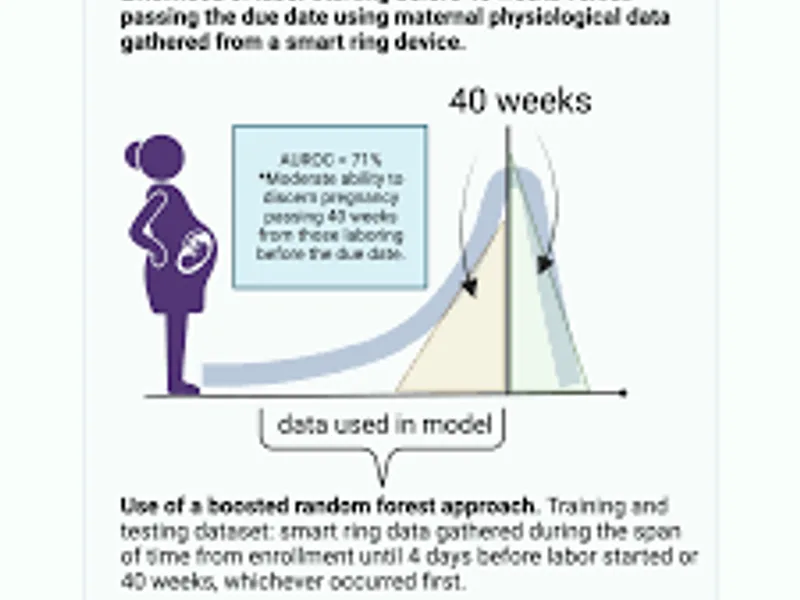
Going past your due date can feel like being stuck in a waiting room with no clock. This guide walks you through what actually happens during monitoring after due date pregnancy — the tests, the decisions, and the emotions nobody really prepares you for.
May 20, 2026
Going past your due date can feel like being stuck in a waiting room with no clock. This guide walks you through what actually happens during monitoring after due date pregnancy — the tests, the decisions, and the emotions nobody really prepares you for.
May 20, 2026
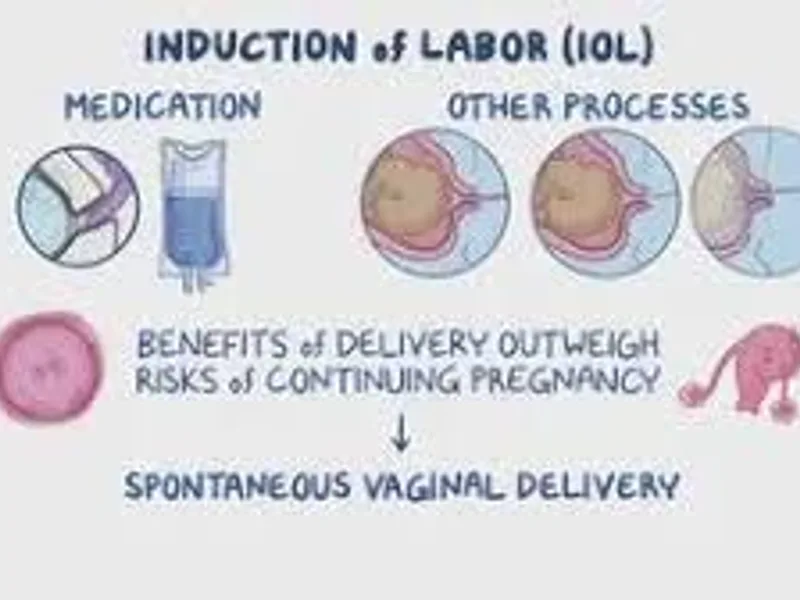
If you’re close to your due date and feeling stuck in waiting mode, this breaks down induction of labor methods in a way that actually makes sense. No jargon, no fluff—just what works, what doesn’t, and what it really feels like from a human perspective.
May 20, 2026