

Emergency & Help
24/7 Emergency & General Advisory
🚨 24/7 Medical Emergency
Non-Emergency Advisory
10:00 AM – 6:00 PM, Mon–Sat
For appointments & general queries.
24/7 Emergency & General Advisory
🚨 24/7 Medical Emergency
Non-Emergency Advisory
10:00 AM – 6:00 PM, Mon–Sat
For appointments & general queries.
Pregorexia, a media term for unhealthy weight control during pregnancy, involves excessive dieting and exercise. Learn its signs, risks, and how to seek help for a healthy pregnancy.

Pregnancy is a time of immense physical and emotional change. As your body prepares to nurture a new life, it's natural to experience shifts in your physical form. However, for some expecting mothers, these changes can trigger intense anxiety about weight gain. The term 'pregorexia,' a blend of 'pregnancy' and 'anorexia,' emerged in popular media to describe pregnant individuals who engage in extreme dieting and excessive exercise to control their weight gain during this sensitive period. While not a formal medical diagnosis, the behaviors associated with pregorexia can pose significant risks to both the mother and the developing baby.
The pressure to maintain a certain body image can be overwhelming. Family, friends, society, and even partners might inadvertently add to this stress, suggesting that minimal weight gain and a rigorous fitness routine are essential for a 'healthy' pregnancy. This can be particularly challenging for individuals who have a history of eating disorders or body image issues. The nine months of pregnancy can feel like an eternity when battling such internal struggles.
It's vital to understand what constitutes healthy weight gain during pregnancy. According to the American College of Obstetricians and Gynecologists (ACOG), the recommended weight gain typically ranges between 11 and 40 pounds. This range is not arbitrary; it primarily depends on your pre-pregnancy Body Mass Index (BMI):
This weight gain is not just about the baby; it accounts for the growing placenta, amniotic fluid, increased breast tissue, larger uterus, more blood volume, and essential fat stores needed for labor and breastfeeding.
While pregorexia is a media term, the underlying disordered eating behaviors are serious. If you or someone you know is pregnant and exhibiting some of the following signs, it's important to seek help:
These behaviors can escalate, leading to increased feelings of depression, anxiety, and overwhelming fear for the baby's health and well-being.
The exact reasons why some individuals develop disordered eating patterns during pregnancy are complex and multifaceted. Often, it’s not a single cause but a combination of factors:
Most people do not notice early warning signs right away. That is common. A simple symptom diary, basic routine checks, and timely follow-up visits can prevent small problems from becoming serious.
If you are already on treatment, stay consistent with medicines and lifestyle advice. If your symptoms change, do not guess. Check with a qualified doctor and update your plan early.
Write down symptoms, triggers, and timing for a few days.
Carry old prescriptions and test reports to your consultation.
Ask clearly about side effects, red-flag signs, and follow-up dates.
Seek urgent care for severe pain, breathing trouble, bleeding, fainting, or sudden worsening.
Visit Hospital
Near You
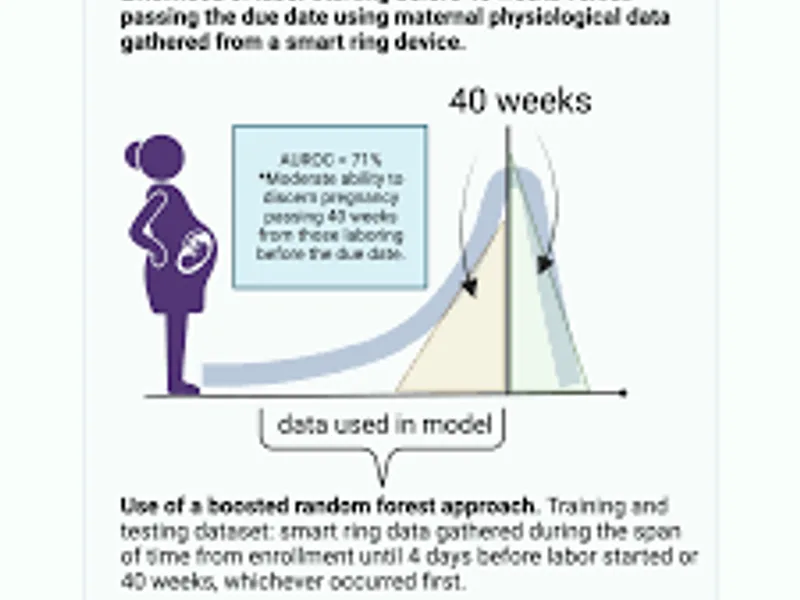
Going past your due date can feel like being stuck in a waiting room with no clock. This guide walks you through what actually happens during monitoring after due date pregnancy — the tests, the decisions, and the emotions nobody really prepares you for.
May 20, 2026
Going past your due date can feel like being stuck in a waiting room with no clock. This guide walks you through what actually happens during monitoring after due date pregnancy — the tests, the decisions, and the emotions nobody really prepares you for.
May 20, 2026
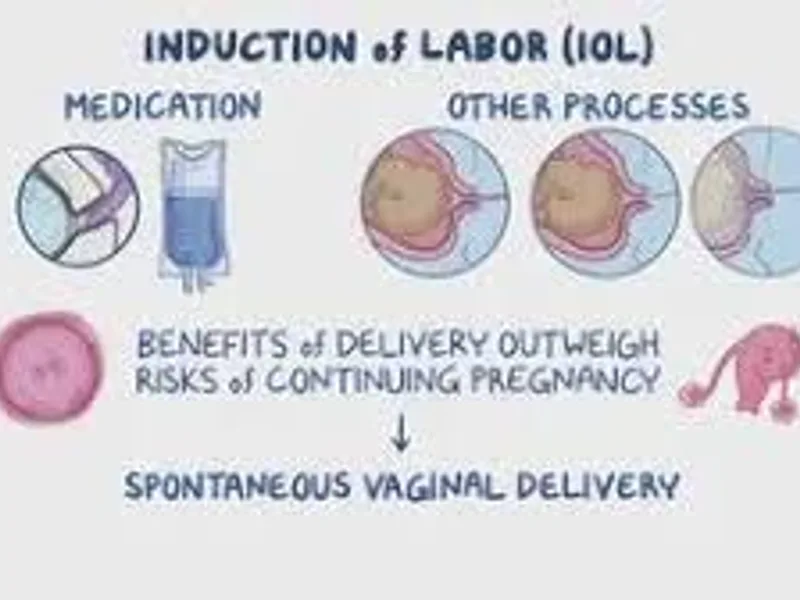
If you’re close to your due date and feeling stuck in waiting mode, this breaks down induction of labor methods in a way that actually makes sense. No jargon, no fluff—just what works, what doesn’t, and what it really feels like from a human perspective.
May 20, 2026