

Emergency & Help
24/7 Emergency & General Advisory
🚨 24/7 Medical Emergency
Non-Emergency Advisory
10:00 AM – 6:00 PM, Mon–Sat
For appointments & general queries.
24/7 Emergency & General Advisory
🚨 24/7 Medical Emergency
Non-Emergency Advisory
10:00 AM – 6:00 PM, Mon–Sat
For appointments & general queries.
Explore the personal choice of pubic hair removal. Learn about various methods like shaving, waxing, and creams, their pros and cons, safety tips, and when to seek medical advice. Understand hygiene perceptions and aftercare for healthy skin.
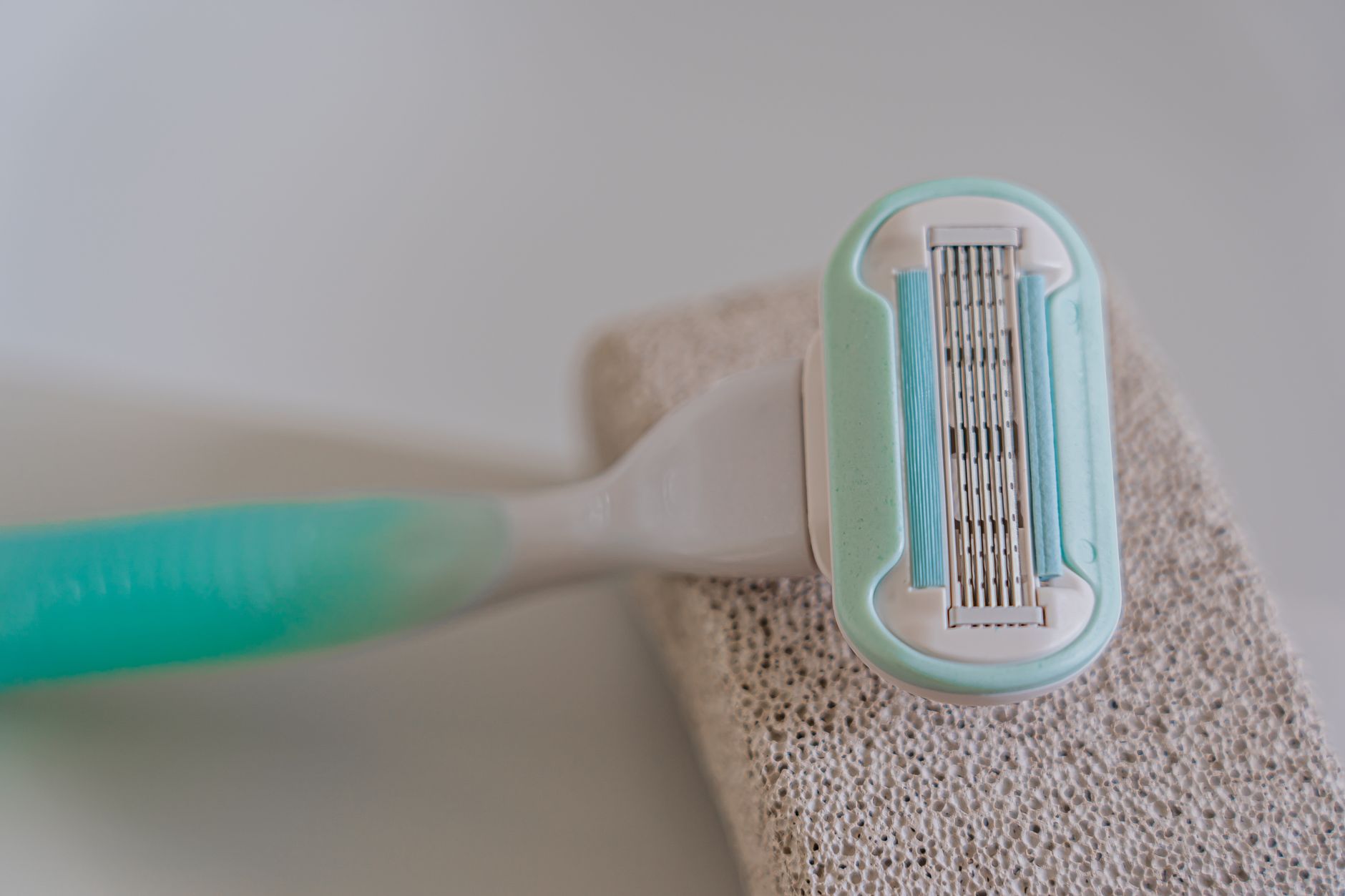
The decision to remove or keep pubic hair is deeply personal and has been a part of human grooming practices for centuries. From ancient civilizations like Egypt and India, where copper razors date back to 3000 BCE, to modern-day discussions, the management of body hair has often been influenced by societal norms, personal preferences, and perceived hygiene. While some may believe that removing pubic hair is essential for cleanliness, medical experts emphasize that pubic hair itself does not inherently cause unhygienic conditions. The choice is ultimately yours, and understanding the various methods, their pros and cons, and how to perform them safely can help you make an informed decision that aligns with your comfort and preferences.
The reasons behind pubic hair removal are diverse and often rooted in personal preference. Here are some common motivations:
There are several ways to manage pubic hair, each with its own set of advantages and disadvantages. It's crucial to choose a method that suits your skin type, pain tolerance, and desired outcome.
Shaving is one of the most common and accessible methods for pubic hair removal. It involves using a razor to cut the hair at the skin's surface.
Tips for Safe Shaving:
These creams use chemicals to dissolve the hair shaft just below the skin's surface.
Important Considerations:
Waxing involves applying warm wax to the skin and then quickly pulling it off, removing hair from the root.
Professional vs. At-Home Waxing:
Epilators are devices with rotating tweezers that pluck hairs from the root.
These are more permanent hair reduction methods that target the hair follicle.
Regardless of the method chosen, there are potential risks associated with pubic hair removal:
While pubic hair removal is generally safe, you should consult a doctor or dermatologist if you experience any of the following:
Proper aftercare is crucial to minimize risks and ensure healthy skin:
A: Pubic hair does not inherently make you unhygienic. It can trap sweat and bacteria, potentially leading to odor for some individuals, but it also serves protective functions. Hygiene is primarily maintained through regular washing and cleanliness, regardless of pubic hair presence.
A: Shaving cuts the hair at the surface, leaving a blunt tip. This blunt end can make the hair feel coarser or thicker as it grows back, but it does not actually change the hair's thickness or growth rate.
A: Yes, you can remove pubic hair during your period. However, some individuals find their skin to be more sensitive during this time, so it might be more comfortable to wait until after your period, or to be extra gentle if you choose to proceed.
A: For sensitive skin, gentle shaving with a sharp razor and proper preparation, or professional waxing by an experienced technician, are often recommended. Always perform a patch test with any new product.
A: The frequency depends on the method used and your personal preference. Shaving may require daily or every-other-day attention, while waxing results can last several weeks. There is no medical recommendation for how often pubic hair should be removed.
Disclaimer: This information is for general knowledge and informational purposes only, and does not constitute medical advice. It is essential to consult with a qualified healthcare professional for any health concerns or before making any decisions related to your health or treatment.
Visit Hospital
Near You
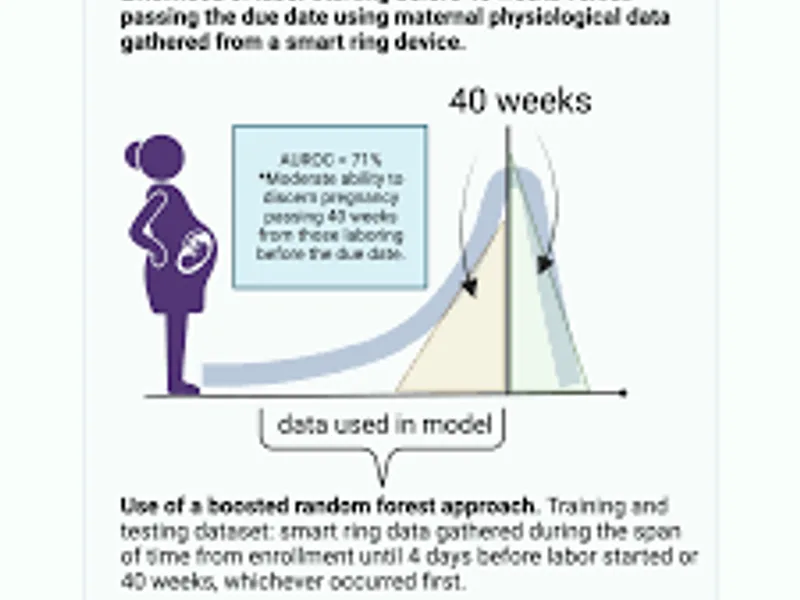
Going past your due date can feel like being stuck in a waiting room with no clock. This guide walks you through what actually happens during monitoring after due date pregnancy — the tests, the decisions, and the emotions nobody really prepares you for.
May 20, 2026
Going past your due date can feel like being stuck in a waiting room with no clock. This guide walks you through what actually happens during monitoring after due date pregnancy — the tests, the decisions, and the emotions nobody really prepares you for.
May 20, 2026

If you’re close to your due date and feeling stuck in waiting mode, this breaks down induction of labor methods in a way that actually makes sense. No jargon, no fluff—just what works, what doesn’t, and what it really feels like from a human perspective.
May 20, 2026